
Blooming
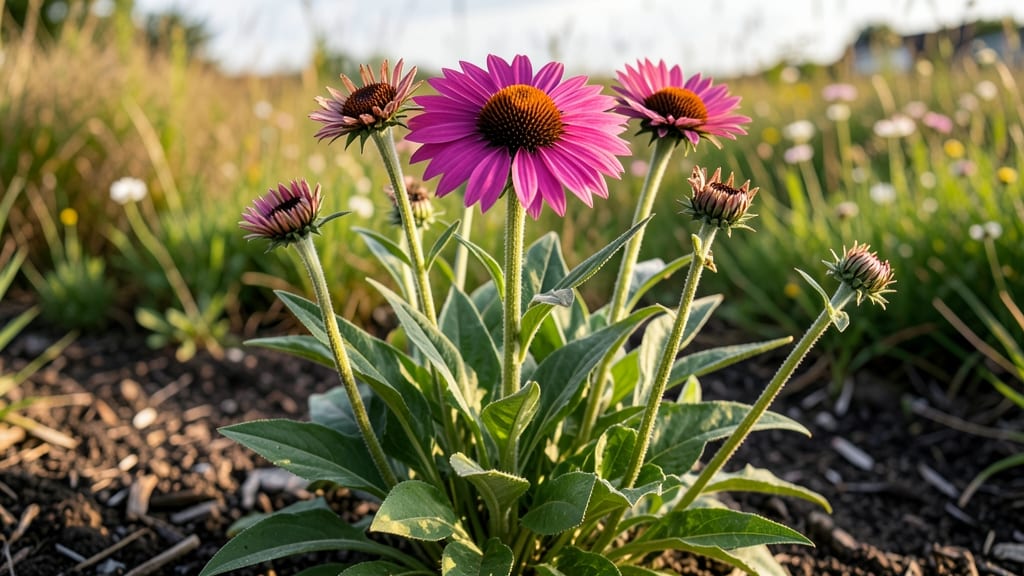
Perennials don't bloom every year—they go through a natural process called dieback, where above-ground growth fades but roots remain alive underground to regrow when conditions improve. Some varieties flower annually, while others may skip years depending on their natural cycle.
This annual dormancy isn't a sign of failure—it's how perennials conserve energy during harsh seasons. 🌱 Think of it like a plant's hibernation mode: the roots store nutrients while the foliage rests, then burst back to life when spring arrives.
I've seen daylilies bloom every year and peonies take two-year cycles, proving no two perennials follow the same schedule. Proper care like pruning spent blooms and maintaining healthy soil helps regulate their natural rhythms.
What makes this fascinating is how environmental factors trigger blooming—daylight hours, temperature shifts, and even rainfall can delay or advance flowering cycles. For example, some perennials only bloom when they've stored enough energy, which might take an extra year after planting.
Understanding these patterns helps gardeners set realistic expectations and create optimal growing conditions.
💡 In This Article
- The Science Behind Perennial Dieback and Regrowth
- How to Encourage Reliable Blooms in Perennial Plants
The science behind perennial dieback and regrowth
Perennials survive through dieback using specialized underground storage organs like rhizomes (horizontal stems), tubers (thickened roots), and bulbs (layered stems) that act as nutrient reservoirs. These structures store carbohydrates, proteins, and water during dormancy—think of them as the plant's winter pantry.
For example, peonies rely on thick, fleshy roots that can store enough energy to support two-year blooming cycles, while daylilies use rhizomes that regenerate quickly after dieback. 🌱
The dormancy process begins when daylight shortens and temperatures drop, triggering hormonal changes that signal the plant to halt growth. This isn't just about survival—it's an energy conservation strategy.
Research shows that up to 90% of a perennial's energy during active growth goes toward building these storage organs, ensuring they have fuel for regrowth.
The root systems of established perennials can extend 3-5 feet deep, accessing moisture and nutrients even in dry conditions, which explains why they often outlast annuals in harsh climates.
Blooming irregularity stems from two key factors: energy reserves and environmental triggers. Some perennials like lupines only flower after storing sufficient nutrients, which might take 2-3 years of growth. Others, such as coneflowers, rely on specific temperature thresholds (typically 50-60°F for 6-8 weeks) to break dormancy.
Daylight hours also play a role—short-day plants (like chrysanthemums) bloom when daylight drops below 12-14 hours, while long-day plants (like delphiniums) need 14+ hours of light to trigger flowering. 🌞
What most gardeners overlook is how stress affects these cycles. Drought, poor soil, or overcrowding can deplete a plant's energy reserves, delaying blooms. For instance, a black-eyed Susan might skip flowering its first year if planted in clay-heavy soil that drains poorly.
The plant prioritizes root development over blooms until it's established. This is why amending soil with compost and sand can encourage earlier and more reliable blooming in subsequent years.
Consider the case of hostas, which often take 3-5 years to reach full maturity and bloom consistently. Their slow growth reflects their strategy of building robust root systems first. In contrast, beard tongue (Penstemon) may bloom annually but only after establishing a strong rhizome network.
The key difference lies in their storage organ size—hostas develop 5-10 pound root systems, while penstemon rhizomes weigh 1-2 ounces but spread aggressively. 🌿
Seasonal dieback isn't just about survival—it's a finely tuned biological process. The plant's meristem cells (growth centers) remain active underground, ready to respond to spring's increasing light and warmth. This explains why some perennials bloom earlier in milder winters or later in cooler springs.
For example, columbines often bloom in late spring because they require 60 days of cold temperatures to break dormancy, a process called vernalization. Understanding these triggers helps gardeners time their planting and care routines for optimal results.