
Planting
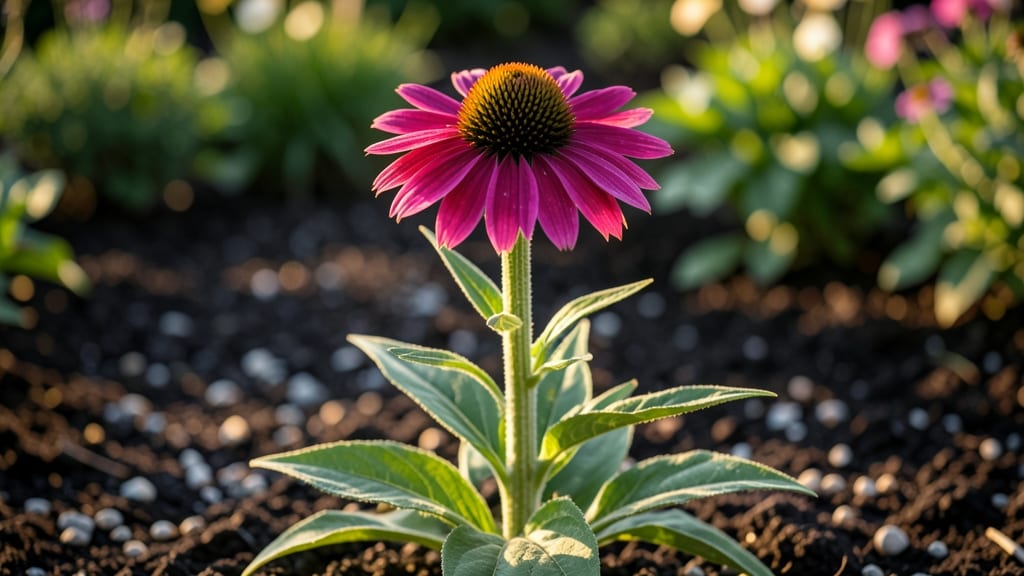
An example of a perennial plant is lavender, which thrives year after year with minimal care, returning with vibrant blooms and fragrance season after season. Other standout choices include hostas, daylilies, and coneflowers, all known for their hardiness and ability to beautify gardens without needing replanting.
Perennial plants like lavender are perfect for gardeners who want beauty without the annual replanting hassle. 🌿 Their deep root systems store nutrients, allowing them to bounce back each spring with minimal watering. Unlike annuals that need yearly planting, perennials establish themselves over time, becoming more resilient with age.
For instance, hostas thrive in shady spots while coneflowers attract pollinators and handle drought once established. This makes them ideal for both beginners and experienced gardeners seeking long-term impact with low effort.
What sets these plants apart is their adaptability. Many perennials, like Russian sage or black-eyed Susans, tolerate poor soil conditions and require little maintenance beyond occasional pruning. Their seasonal cycles—spring foliage, summer blooms, and fall color—provide year-round interest.
Plus, their deep roots prevent soil erosion and reduce water runoff, making them eco-friendly choices too. For a low-maintenance garden, start with just 3-5 perennials to create a stunning, sustainable landscape that keeps giving back.
💡 In This Article
- Why Perennial Plants Excel in Low-Maintenance Gardens
- Top 10 Perennial Plants for Easy-Care Landscaping
Why perennial plants excel in low-maintenance gardens
Perennial plants thrive year after year because of their deep root systems, which can extend 3-5 feet underground. These roots store nutrients and water, allowing the plant to survive harsh winters and dry spells without wilting.
Unlike annuals that die back completely each season, perennials regrow from their root crowns, making them far more resilient. 🌱 For example, peonies develop roots that can live for decades, while hostas spread via underground rhizomes, creating dense foliage with minimal effort.
Their seasonal regrowth patterns also reduce maintenance. Most perennials bloom in spring or summer, then enter dormancy in fall, conserving energy. This natural cycle means you won’t need to replant or fertilize as often as with annuals.
Drought resistance is another advantage—plants like sedum (stonecrop) store moisture in their leaves, while Russian sage thrives with just 1 inch of water per week once established. Even in challenging climates, these plants adapt by adjusting their growth cycles.
Perennials also minimize soil disturbance, which is better for your garden’s ecosystem. When you plant perennials, you’re investing in long-term health rather than yearly upheaval. Their deep roots prevent erosion and improve soil structure over time, reducing the need for amendments.
For instance, coneflowers (Echinacea) not only attract pollinators but also suppress weeds by shading the soil. This means fewer hours spent weeding or tilling—just occasional mulching to retain moisture.
Another key advantage is their ability to spread naturally. Many perennials, like daylilies or catmint, multiply through underground runners or self-seeding, filling in gaps without extra work. This creates a lush, full garden with minimal intervention.
Even in partial shade, plants like astilbe or foamflower thrive with little care, making them perfect for problem areas where annuals struggle. The result? A garden that grows more beautiful—and easier to manage—each year.
Climate adaptability is where perennials truly shine. Cold-hardy species like lavender or Siberian bugloss survive winters in USDA zones 3-7, while heat-tolerant options like salvia or yarrow thrive in zones 5-10. This versatility means you can find perennials for nearly any region, reducing the need for seasonal replacements.
For example, in dry climates, blanket flower (Gaillardia) blooms prolifically with half the water of annuals, while in humid areas, ligularia handles moisture with ease.
Finally, perennials offer year-round interest, unlike annuals that fade after one season. Spring brings fresh foliage, summer delivers vibrant blooms, and fall often features striking seed heads or colorful leaves. This continuous display means your garden stays dynamic with minimal effort.
For instance, ornamental grasses like fountain grass or little bluestem add texture and movement, while seed pods from coneflowers provide winter interest for birds and wildlife.