
Flowers
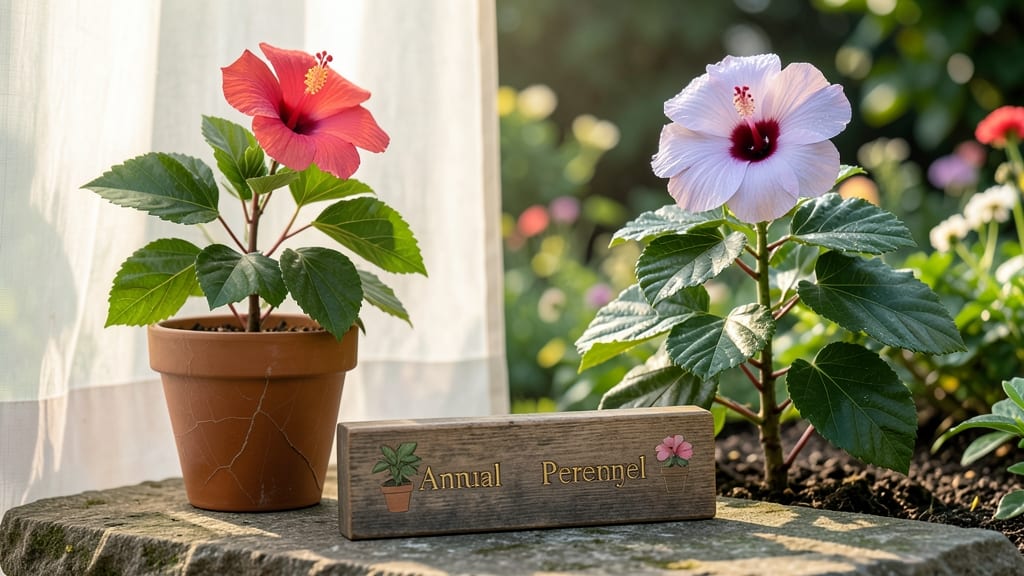
Whether hibiscus flowers are annual or perennial depends on your climate: they thrive as perennials in USDA zones 5-11 but must be treated as annuals in colder regions unless you take special winter protection measures.
Hibiscus plants naturally survive multiple growing seasons in warmer climates because their roots can withstand temperatures down to 20°F—but only if they're established and protected. 🌱 In colder zones, frost kills the foliage and roots, forcing gardeners to replant each spring.
The key difference lies in how quickly they regrow: perennials shoot up from dormant roots, while annuals must start from seed or cuttings every year. I've seen hibiscus bounce back in zone 6 with heavy mulch, but without protection, they'll freeze solid.
For gardeners in marginal zones (like 5 or 11), overwintering in containers or wrapping plants in burlap can extend their lifespan. The trade-off? Container-grown hibiscus often produce slightly smaller blooms the following season.
What's fascinating is how hibiscus adapt—some varieties, like Hibiscus moscheutos, handle colder snaps better than tropical types. Always check your specific variety's hardiness rating before committing to winter care.
💡 In This Article
- Hibiscus Cold Hardiness by USDA Plant Zones
- Year-Round Hibiscus Care for Cold Climates
Hibiscus cold hardiness by USDA plant zones
The difference between annual and perennial hibiscus growth comes down to root survival. Hibiscus roots can tolerate down to 20°F when dormant, but foliage dies at 32°F—the threshold where most gardeners in colder zones face losses.
This explains why hibiscus thrive as perennials in zones 5-11 but must be replanted annually in zones 3-4. The root system's ability to regenerate from dormancy is what makes the difference between a one-season plant and a long-lived shrub.
In zones 5-11, hibiscus enter winter dormancy naturally, with roots protected by 6-12 inches of soil insulation. The key is establishing them before first frost—roots need 4-6 weeks to harden off.
Tropical varieties like Hibiscus rosa-sinensis struggle below zone 10, while hardier species like Hibiscus syriacus (rose of Sharon) survive to zone 4 with proper care. This zone-specific survival rate explains why nurseries often label hibiscus as "perennial in warm climates" but "tender annuals" elsewhere.
What most gardeners miss is how hibiscus regrow from the base. In spring, perennials shoot up from protected roots, while annuals must start from scratch. The regrowth speed varies by variety—some tropical hibiscus take 3-4 weeks to emerge, while hardy types appear within 2 weeks.
This biological difference is why zone 6 gardeners can have hibiscus for years, while zone 3 gardeners must replant annually unless they use containers.
Temperature thresholds matter more than average winter lows. A single 15°F night can kill unprotected hibiscus roots, even in zone 5. This is why mulching with 4-6 inches of straw or leaves creates a 10°F warmer microclimate at the root zone.
The science here involves soil insulation—organic mulch traps heat while preventing frost penetration. Without this protection, hibiscus roots freeze solid, explaining their annual behavior in colder climates.
Consider these hardiness factors when choosing varieties:
- Zone 5-11: Hibiscus syriacus (hardiest, survives 15°F with mulch)
- Zone 8-11: Hibiscus moscheutos (swamp hibiscus, loves moisture)
- Zone 10+: Hibiscus rosa-sinensis (tropical, needs winter protection)
The root system's ability to regenerate explains why hibiscus can bounce back year after year in ideal conditions. In colder zones, this natural resilience becomes the gardener's responsibility through winter protection. 💫