
Flowers
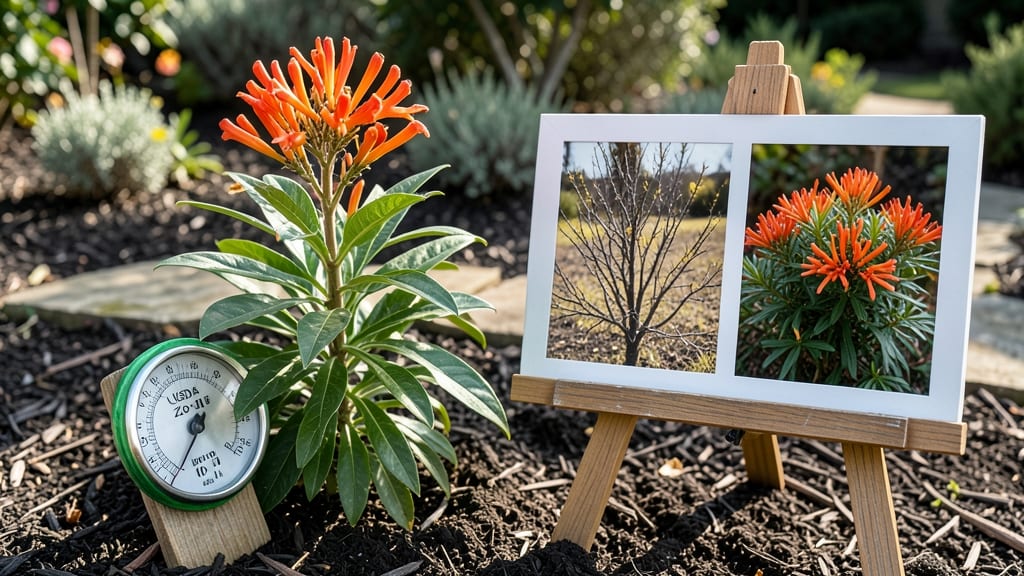
Crossandra isn't a true perennial in most regions, since it usually dies back to the ground during winter but can regrow from its roots if temperatures stay above freezing. In warmer climates without frost, it often thrives continuously with consistent care.
Crossandra's behavior stems from its tropical origins—it evolved in warm climates where frost never occurs. 🌿 When temperatures drop below 30°F, the plant's above-ground growth shuts down, but the root system often survives underground.
This makes it act like a semi-perennial in colder zones, where gardeners must take special steps to protect it through winter. What's fascinating is how resilient these roots can be; even after a full dieback, they'll often bounce back with proper spring care.
In frost-free areas like USDA zones 10 and above, Crossandra can indeed become a year-round plant with minimal intervention. The key is maintaining moisture and avoiding temperature swings. I've seen gardeners in Florida and California keep theirs blooming continuously by providing regular water and light fertilizer applications.
For those in cooler climates, the challenge shifts to overwintering strategies—whether that means moving potted plants indoors or creating protective microclimates in the garden.
💡 In This Article
- Why Crossandra Dies Back in Cold Climates
- How to Overwinter Crossandra for Year-Round Growth
Why Crossandra dies back in cold climates
Crossandra's winter dieback is directly tied to its tropical heritage. Native to regions like India, Southeast Asia, and parts of Africa, this plant evolved where temperatures rarely drop below 50°F.
When exposed to 30°F or lower, its cellular membranes begin to freeze, disrupting nutrient transport and causing the above-ground growth to blacken and collapse. 🌡️ The plant's survival strategy kicks in at this point—it shifts resources underground to preserve the root system, which can remain dormant for months.
The root system's resilience comes from its fibrous nature and ability to store carbohydrates. Studies show these roots can maintain viability even after 12-16 weeks of dormancy, provided soil temperatures stay above freezing. The key threshold is 28°F: below this, root damage becomes likely.
This explains why gardeners in Zone 7 often see partial regrowth while those in Zone 5 face complete loss unless protective measures are taken.
What's interesting is how the plant's growth cycle mirrors other tropical perennials like cannas. Both produce new shoots from the same root base each spring, but Crossandra's stems are more delicate—its hollow, herbaceous structure makes it far more frost-sensitive than woody perennials.
The leaves themselves contain high moisture content, which freezes and ruptures cell walls when temperatures plummet. 🌱 This is why even a light frost can cause visible damage within hours.
Light exposure also plays a role in winter dieback. Crossandra requires 6-8 hours of sunlight daily to thrive, but during winter, reduced daylight triggers hormonal changes that accelerate dormancy. The plant's natural photoperiod response makes it particularly vulnerable in northern latitudes where winter days are short.
This explains why container-grown Crossandra often fares better—potted plants can be moved to brighter indoor spaces during winter months.
The plant's flower buds are especially frost-sensitive. When temperatures drop below 45°F, existing buds will blacken and drop, while new buds fail to develop. This is why gardeners in marginal climates often see their Crossandra produce fewer blooms after winter, even if the roots survive.
The energy that would normally go into flowering is redirected to root regeneration. 🌸
Comparing Crossandra to true perennials like hostas reveals the key difference: hostas develop woody crowns that survive winter, while Crossandra relies entirely on its root system. This makes it behave more like a tender perennial—similar to geraniums or fuchsias—which can't tolerate frost but will regrow from roots if protected.
The botanical term for this behavior is "hemicryptophyte," where the plant's survival organs (roots) remain below ground during dormancy.