
Flowers
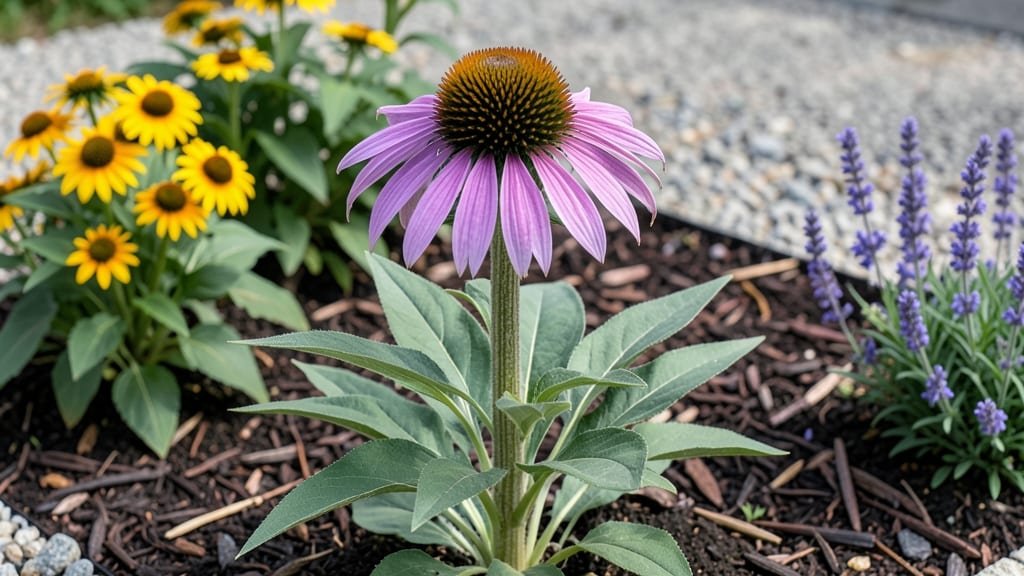
Yes, echinacea is a perennial plant that thrives in cold climates, returning each year with proper care. Its deep roots allow it to survive winter dormancy, blooming again in spring with minimal intervention.
Echinacea's perennial nature comes from its remarkable deep taproot system, which can extend up to 3 feet underground.
This root structure stores nutrients and moisture, helping the plant withstand freezing temperatures and dry spells. 🌱 Unlike annuals, echinacea doesn't need replanting each year—once established, it can live for 5-10 years or more with consistent care.
The key to its survival lies in its ability to enter dormancy during winter, then regrow vigorously when temperatures rise.
What sets echinacea apart is its adaptability to USDA hardiness zones 3-9, making it ideal for northern climates where many flowers struggle.
The plant's resilience means gardeners in cold regions can enjoy its bright purple cones year after year without replanting, though proper winter mulching and spring pruning maximize its longevity.
💡 In This Article
- Echinacea’s Perennial Lifecycle and Root System
- Cold-Climate Care for Long-Term Echinacea Growth
Echinacea’s perennial lifecycle and root system
The secret to echinacea's perennial success lies in its fibrous root system, which extends 12-36 inches deep into the soil. This deep taproot acts like a natural water and nutrient reservoir, allowing the plant to survive droughts and freeze-thaw cycles.
Unlike annuals, echinacea stores carbohydrates in its roots during summer, fueling regrowth when temperatures rise. 🌱 The root system also produces lateral shoots that spread horizontally, creating a network that stabilizes the plant through harsh winters.
During winter dormancy, echinacea's metabolic activity slows dramatically, with roots maintaining just enough activity to stay alive. Studies show that echinacea can tolerate soil temperatures down to -20°F when properly mulched, though the foliage may die back completely.
The real magic happens in spring when rising temperatures trigger auxin hormone production in the roots, signaling new shoot growth from dormant buds. This process ensures blooms appear reliably each season without replanting.
What makes echinacea unique is its two-phase growth cycle: the first year focuses on root development (often producing minimal foliage), while subsequent years prioritize above-ground growth and flowering. This delayed flowering strategy actually strengthens the plant's cold resistance.
Gardeners often notice that well-established echinacea plants (3+ years old) produce larger, more abundant blooms because their root systems have fully matured.
The plant's perennial nature also means it develops natural disease resistance over time. Older echinacea plants produce more phenolic compounds in their roots, which act as natural antifreeze and pest deterrents.
This chemical defense system explains why established echinacea often requires less maintenance than young plants. The trade-off? Younger plants may need extra winter protection during their first few critical years.
Comparing echinacea to other perennials like coneflower reveals its superior cold tolerance. While both thrive in similar zones, echinacea's root system penetrates 2-3 times deeper than coneflower's, giving it an edge in rocky or poor soils.
The deep roots also make echinacea more drought-resistant once established—something many gardeners appreciate in changing climates.
For those growing echinacea in containers, the root depth becomes a critical factor. Standard pots (12-15 inches deep) may restrict root growth, potentially reducing the plant's cold hardiness.
Larger containers with at least 18 inches of depth allow the taproot to develop properly, maintaining the plant's perennial characteristics even in urban settings.