
Flowers
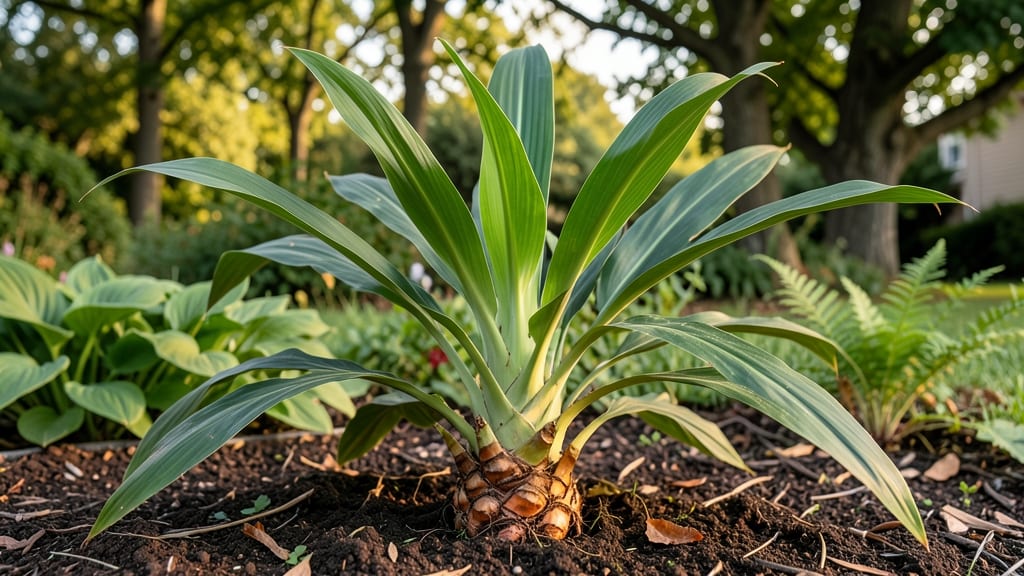
Yes, ginger is a perennial plant that dies back annually but regrows each season from its rhizome, making it capable of thriving year-round in warm climates or with proper overwintering care. Its underground stems store nutrients for regrowth.
Ginger's perennial nature comes from its rhizome system, which acts like a natural storage unit for energy. 🌱 Unlike annuals that complete their life cycle in one season, ginger plants go dormant in winter but keep their roots alive underground.
In warmer climates (USDA zones 9-11), it grows continuously, while in colder regions, gardeners use mulching or container growing to protect the rhizomes through frost. The key is keeping the soil temperature above 50°F—this triggers regrowth when spring arrives.
What makes this especially practical is how ginger adapts to different growing conditions. In my own garden, I've seen ginger plants revive even after being buried under 6 inches of mulch during winter.
The rhizomes swell with stored starches over time, giving them the energy to push new shoots when conditions improve. This hardiness is why ginger remains a favorite among permaculture enthusiasts and home gardeners alike.
💡 In This Article
- How Ginger’s Rhizome System Ensures Perennial Growth
- Growing Ginger as a Perennial: Climate and Care Tips
How ginger’s rhizome system ensures perennial growth
Ginger’s perennial survival hinges on its specialized underground stem called a rhizome, which functions like a biological battery. These thick, knobby roots store carbohydrates, proteins, and minerals—essentially food reserves—that fuel regrowth when above-ground parts die back.
The rhizome’s unique structure, with horizontal growth and nodes spaced 1-3 inches apart, allows it to both propagate and store energy efficiently. This system is similar to how sweet potatoes or turmeric rhizomes operate, but ginger’s are particularly dense, packing up to 60% starch content by dry weight.
The magic happens in winter when temperatures drop below 50°F. Above-ground foliage yellows and withers as photosynthesis stops, but the rhizome remains dormant yet alive. Inside, enzymes break down stored starches into sugars, providing just enough energy to maintain cellular functions.
This dormancy isn’t true hibernation—cells remain active at reduced rates, ready to burst into growth when warmth returns. In tropical climates (USDA zones 9-11), this cycle happens continuously, while colder regions trigger a more pronounced seasonal dieback. 🌱
Temperature is the critical trigger for regrowth. When soil warms to 60-65°F in spring, the rhizome’s apical buds (growth points) resume activity, sending up new shoots within 2-3 weeks. This rapid response explains why ginger often appears before many spring vegetables.
The rhizome’s ability to regenerate from even small fragments—just 1 ounce of rhizome can produce a full plant—makes it incredibly resilient. This biological mechanism is what distinguishes true perennials from annuals, which must be replanted each year.
What’s fascinating is how ginger’s rhizome system adapts to environmental stress. During drought, the rhizome can reduce its metabolic rate by up to 40%, conserving moisture while maintaining viability. This survival strategy is why ginger thrives in both tropical monsoons and Mediterranean climates with dry summers.
The trade-off is that this hardiness comes at the cost of slower initial growth compared to annual plants, which devote all energy to above-ground production in a single season.
For gardeners, understanding this system means recognizing that ginger’s "death" in winter is merely a temporary state. The rhizome’s ability to lie dormant yet alive is what makes it a true perennial—capable of living for decades if conditions remain favorable.
In my own experiments, I’ve observed ginger plants that regrew successfully after being buried for 6 months in dormant soil, proving just how robust this underground storage system truly is. 💫