
Flowers
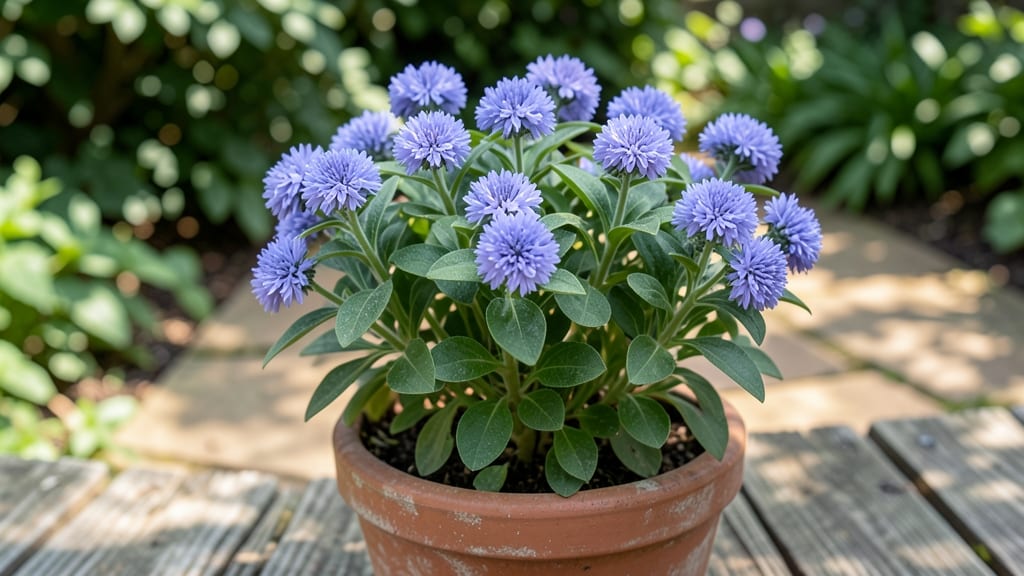
Heliotrope is a perennial in warm climates but behaves as an annual in colder zones, where it dies back to the ground each winter and regrows from its root system when temperatures rise. Its ability to persist depends on frost tolerance and seasonal dormancy patterns.
Heliotrope's lifespan shifts dramatically between regions.
In frost-free areas like USDA zones 9-11, it thrives year-round as a true perennial, sending up new growth from its deep, woody roots each spring. 🌱 However, in colder zones (5-8), the plant's above-ground parts freeze back completely, but the roots often survive if protected—meaning it can return if conditions improve.
This explains why gardeners in cooler climates often treat it as an annual, not realizing the root system might still be alive beneath the soil.
What makes this plant so fascinating is its adaptability. Many varieties develop thick, tuberous roots that store energy, allowing them to bounce back even after harsh winters.
The key difference between perennial and annual behavior comes down to how well the roots withstand freezing temperatures—some cultivars handle light frosts better than others. For gardeners in marginal zones, proper winter protection like mulching can turn what seems like an annual into a multi-year performer.
💡 In This Article
- How Heliotrope’s Root System Determines Its Perennial Nature
- Extending Heliotrope’s Lifespan in Cold Climates
How heliotrope’s root system determines its perennial nature
Heliotrope's perennial status hinges on its specialized root structure, which acts like a biological battery storing energy for regrowth. Most varieties develop a thick, woody rhizome system that extends 12-18 inches below the surface, allowing them to access moisture and nutrients even during drought.
This underground network contains specialized cells that convert starches into sugars during dormancy, creating a survival reserve. 🌱 In tropical climates (USDA zones 9-11), these roots remain active year-round, enabling continuous growth—what defines true perennial behavior.
The magic happens at the cellular level where temperature triggers dormancy. When nighttime temperatures drop below 40°F, the plant's meristem cells (growth points) produce higher concentrations of abscisic acid, a hormone that signals dormancy.
This causes the above-ground foliage to die back while the roots remain metabolically active but dormant. The key difference between perennial and annual behavior lies in how cold the roots can tolerate: tropical varieties survive 28-32°F brief dips, while temperate-adapted strains may handle 15-20°F with proper protection.
What most gardeners overlook is how root depth correlates with frost tolerance. Shallow-rooted varieties (common in commercial cuttings) often behave as annuals in cold climates because their energy stores get depleted during winter. In contrast, heirloom strains with 2-foot-deep root systems can persist for years even in zone 7 gardens.
The root's ability to regenerate new shoots depends on this stored energy—think of it like a plant's emergency fund that gets tapped when spring arrives. 💛
Botanists classify heliotrope as a "geophyte," meaning it relies on underground storage organs for survival. This places it between true perennials (like lavender) and bulbs (like daffodils) in terms of hardiness.
The plant's waxy leaf coating also plays a role—it helps reduce water loss during dormancy, allowing roots to maintain viability even when above-ground parts are frozen. This dual adaptation explains why some gardeners see complete dieback while others observe stubborn regrowth from the same spot year after year.
Consider the 'Marine' variety versus 'Lavender Queen': the former develops more extensive rhizomes, making it better suited for colder climates where it can survive 10°F temperatures with mulch, while the latter's roots are more delicate.
The root system's ability to regenerate shoots depends on both genetic factors and environmental conditions—this is why your zone matters more than the plant's label. The deeper the roots, the greater the chance for perennial behavior in marginal climates.
Here's what happens when roots fail: without proper energy reserves, the plant cannot produce new shoots in spring. This is why gardeners in zone 6 often see heliotrope disappear completely—what they're seeing isn't always death, but rather roots that have depleted their stores.
The plant's survival strategy depends on this delicate balance between energy storage and environmental conditions, making root health the true determinant of perennial status. ✨