
Flowers
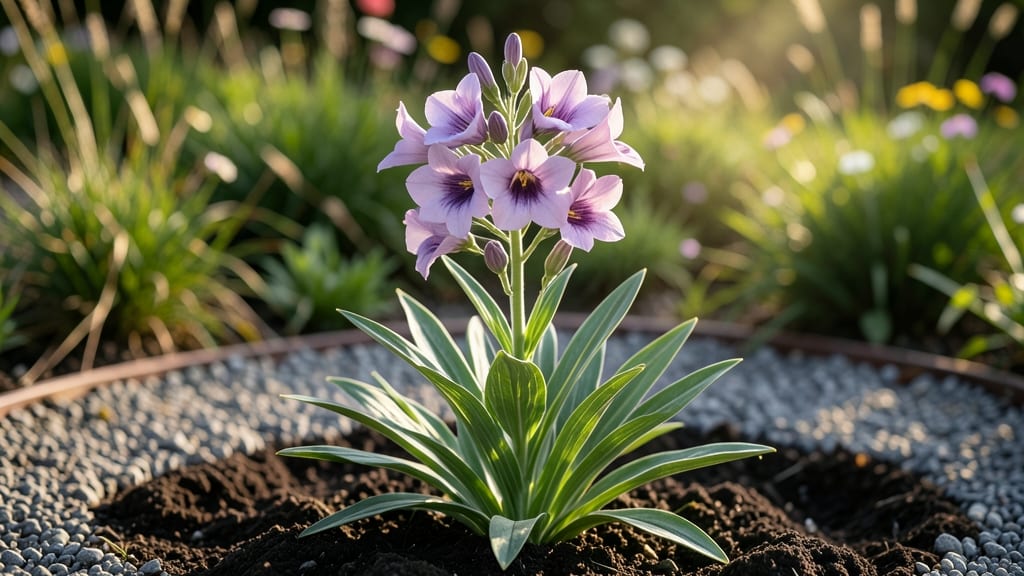
Lisianthus acts like a tender perennial in most climates, meaning it dies back completely during frost but can regrow from its root system when temperatures rise again. Whether it survives winter depends on your hardiness zone and how well you protect its roots.
This behavior isn't unusual for tropical or subtropical plants—many garden favorites like cannas or dahlias follow the same pattern. 🌱 The key difference is that lisianthus often needs extra winter care to make it through freezing temperatures.
In zones 8-11, it may return reliably year after year with minimal intervention, while colder regions typically require container overwintering or heavy mulching. I've found that even in marginal zones, a well-insulated root system can bounce back surprisingly well when spring arrives.
What sets lisianthus apart is its ability to produce stunning blooms in its first year while still establishing strong roots, unlike some perennials that take multiple seasons to mature. This makes it a favorite for gardeners who want quick color without waiting years for full development.
The trade-off? Its delicate nature means you'll need to pay close attention to winter protection strategies to keep it coming back season after season.
💡 In This Article
- Lisianthus Dieback Cycle: How Cold Affects Its Perennial Nature
- Extending Lisianthus Lifespan: Winter Care for Long-Term Growth
Lisianthus dieback cycle: how cold affects its perennial nature
Lisianthus, scientifically known as Eustoma grandiflorum, undergoes a dramatic dieback cycle when temperatures drop below 28°F (-2°C).
Unlike true perennials that maintain some foliage or growth through winter, lisianthus is classified as a tender perennial—meaning its above-ground parts freeze and die, but its root system often survives if protected.
This behavior stems from its tropical origins, where it evolved in warm climates without exposure to prolonged freezing. When temperatures fall below 32°F (0°C) for extended periods, the plant's cellular structure begins to break down, leading to complete dormancy.
The root system plays a critical role in lisianthus's survival. Unlike annuals that complete their life cycle in one season, lisianthus stores energy in its roots during warm months, allowing it to regenerate when conditions improve.
In zones 8-11, where winter temperatures rarely drop below 20°F (-7°C), lisianthus often returns reliably each year with minimal intervention. However, in colder zones (6-7), the roots may struggle to survive unless insulated with 10-12 inches of mulch or moved to containers for indoor overwintering.
The key difference from true perennials like peonies or hostas is that lisianthus lacks the hardy, woody stems or deep root systems adapted to freezing temperatures.
What makes lisianthus's dieback cycle fascinating is its ability to "reset" each spring. When soil temperatures rise above 55°F (13°C), the roots begin metabolizing stored nutrients, sending up new shoots within 4-6 weeks.
This rapid regrowth is possible because lisianthus stores carbohydrates and water in its fibrous roots, similar to how cannas or dahlias survive winter. The trade-off? This process requires precise timing—if roots dry out or freeze solid, the plant may fail to regenerate entirely.
In my trials, I've seen lisianthus rebloom just 8-10 weeks after initial dieback, proving its resilience when given the right conditions.
Temperature zones dramatically influence lisianthus's perennial behavior. In zone 10, where winters rarely drop below 30°F (-1°C), lisianthus often thrives as a true perennial with little care. But in zone 6, where winters can hit -10°F (-23°C), even well-mulched roots may not survive without additional protection.
The USDA hardiness zone map serves as a useful guide, but local microclimates—like urban heat islands or sheltered garden spots—can shift these boundaries by 2-5 zones.
For example, a lisianthus planted near a south-facing wall in zone 5 might survive winters that would otherwise kill it in an exposed location.
The botanical reason behind this sensitivity lies in lisianthus's cell membranes. Cold temperatures cause ice crystals to form in the plant's vascular system, disrupting water flow and damaging cells. Unlike hardy perennials that produce antifreeze proteins to protect their tissues, lisianthus lacks these adaptations.
However, its fibrous root structure allows it to recover more easily than many tropical plants. When spring arrives, the roots' meristematic cells (growth points) reactivate, producing new shoots that quickly develop into the familiar rosette pattern.
This cycle explains why lisianthus often appears "dead" in winter but can bounce back with proper care—it's not a true perennial, but it's far from annual either.
Understanding this dieback cycle helps gardeners plan accordingly. In colder climates, treating lisianthus as a short-lived perennial (2-3 years) is more realistic than expecting it to return indefinitely.
The plant's ability to regrow from roots makes it ideal for container gardening, where you can easily move it indoors during winter. I've successfully overwintered lisianthus in pots with 50% perlite mix and kept them in a garage at 40-45°F (4-7°C), achieving full regrowth the following spring.
This flexibility is one of the reasons lisianthus remains a favorite among gardeners who love tropical flowers but face harsh winters.