
Lawn
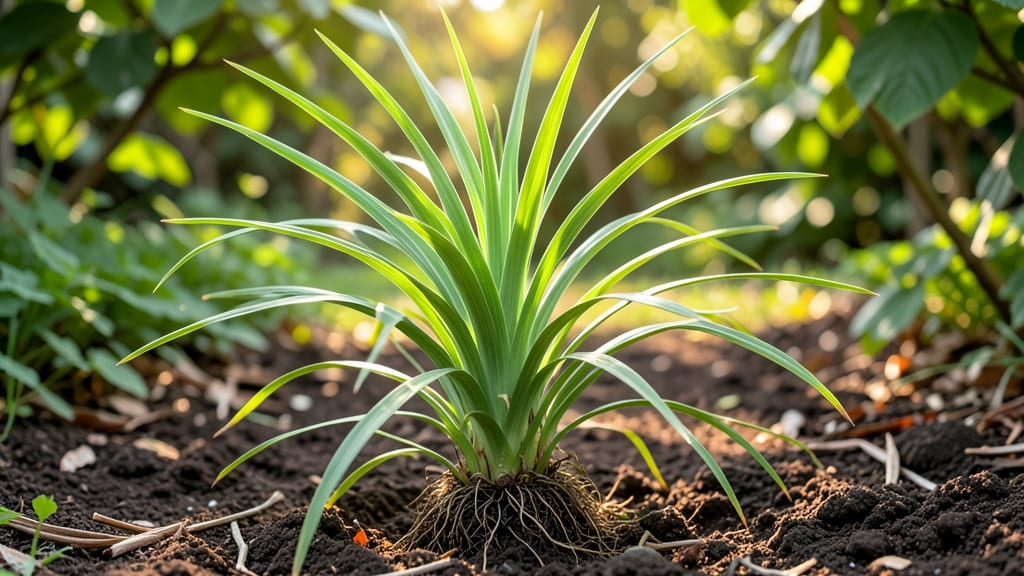
Lemon grass behaves as a perennial only in warm climates (USDA zones 9-11), where it thrives year-round. In colder regions, it dies back annually unless you dig up the root system and overwinter it indoors or replant fresh each spring. Your success depends on protecting it from frost and maintaining proper care during dormancy.
Lemon grass's perennial nature is all about its native tropical roots—it loves heat and struggles when temperatures dip below 50°F. 🌱 The plant's thick rhizomes (underground stems) store energy, allowing it to regrow when conditions improve, but frost will kill the above-ground growth instantly.
In colder zones, gardeners often treat it like an annual, replanting new starts each spring or keeping potted plants indoors during winter months.
The key is understanding its growth cycle: it focuses energy on root development in warm seasons, then relies on those roots to bounce back when conditions are right.
What's interesting is how this behavior differs from true hardy perennials like lavender, which survive winter dormancy outdoors. Lemon grass, while resilient in the right conditions, simply can't handle prolonged cold snaps without human intervention.
This is why many chefs and gardeners in colder climates grow it in containers—they can easily move it indoors before the first frost hits.
💡 In This Article
- Lemon Grass Growth Cycle and Cold Hardiness Limits
- How to Overwinter Lemon Grass in Cold Climates
Lemon grass growth cycle and cold hardiness limits
The perennial nature of lemon grass stems from its tropical origins, where it thrives in USDA zones 9-11 with consistent warmth. Its growth cycle centers around a robust rhizome system that stores nutrients, allowing it to regenerate quickly when conditions are favorable.
In ideal climates, lemon grass can grow 3-5 feet tall with a 2-3 foot spread, producing new shoots from its underground stems even after cutting back.
However, the plant's Achilles' heel is frost sensitivity. Temperatures below 50°F trigger dormancy in the above-ground growth, while anything under 32°F will kill the leaves and stems outright.
The rhizomes themselves can survive brief cold snaps down to 20°F if protected by mulch, but prolonged exposure to freezing temperatures will damage even the root system. This is why lemon grass behaves like a true perennial only in frost-free zones—its survival depends entirely on maintaining above-freezing conditions year-round.
The biological mechanism behind this involves the plant's energy allocation. During warm seasons, lemon grass focuses on rapid above-ground growth, while its rhizomes expand and store carbohydrates. When temperatures drop, the plant prioritizes protecting these energy reserves rather than maintaining foliage.
This dormancy pattern is similar to other tropical perennials like ginger or turmeric, which also require warm climates to thrive.
What makes lemon grass unique is its regrowth trigger: warmth and moisture. Once temperatures rise above 60°F and the soil reaches 65°F, the rhizomes will begin sending up new shoots within 2-4 weeks.
This rapid recovery is why gardeners in marginal climates (like zone 8) can sometimes get away with leaving plants in the ground over winter—if protected by thick mulch and microclimate factors like south-facing walls.
For comparison, consider how true hardy perennials like asparagus handle winter: they can survive -20°F temperatures because their energy reserves are protected by thick, woody stems. Lemon grass lacks this adaptation, making it far more vulnerable to cold.
Its survival strategy relies on quick regrowth rather than cold resistance, which is why it's classified as a "tender perennial" in gardening terms.
In practical terms, this means gardeners in colder zones must either treat lemon grass as an annual (replanting each spring) or take active steps to protect it.
The plant's inability to withstand frost makes it a high-maintenance perennial outside its native range, requiring careful planning to enjoy its aromatic leaves year-round.
Understanding these growth patterns helps explain why lemon grass is such a popular container plant—it gives gardeners the flexibility to move it indoors before frost strikes, preserving the rhizomes until spring. This adaptability is what makes it work in kitchens worldwide, despite its tropical origins.