
Planting
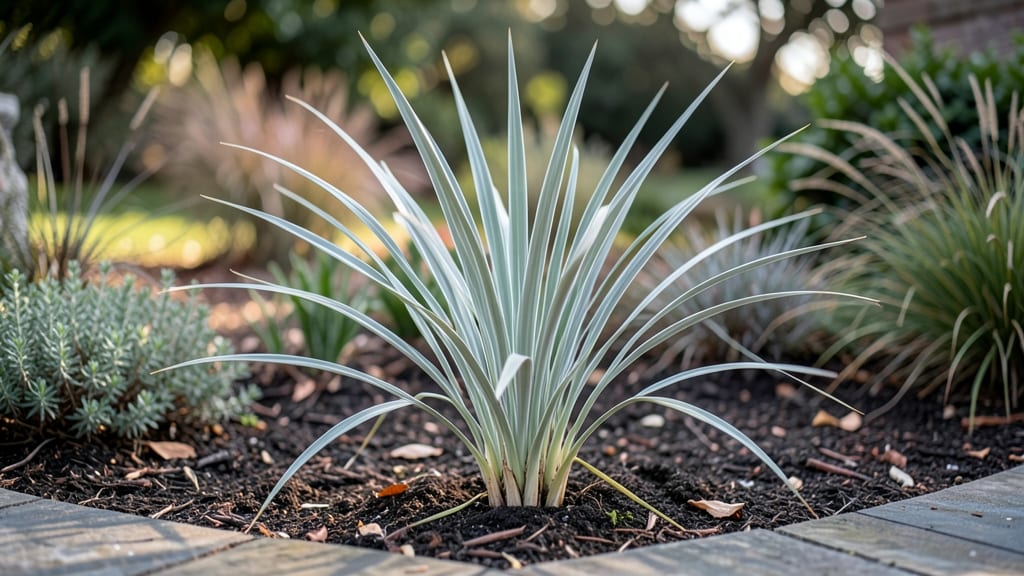
Lemongrass is not a true perennial in Zone 7—it dies back to the ground in winter but can regrow from the roots if protected from freezing temperatures and harsh frost. Mulching heavily and covering with straw or burlap improves survival chances for repeat harvests the following season.
Lemongrass thrives in tropical climates (Zones 9-11), where it grows year-round as a hardy perennial.
In Zone 7, however, its tender rhizomes struggle with temperatures below 25°F, often resulting in complete dieback above ground. 🌱 The good news is that with proper insulation—like a thick layer of mulch (4-6 inches) and protective coverings—many gardeners successfully coax regrowth in spring.
I've seen it happen when the roots survive the cold, proving that while it's not a true perennial here, it can still return with the right care.
For those eager to keep lemongrass year-round, growing it in containers is another smart strategy. You can bring potted plants indoors before the first frost and place them near a sunny window.
This method preserves the plant's health and allows for continuous harvesting, though it requires more effort than leaving it in the ground.
The key is understanding that lemongrass in Zone 7 behaves more like a tender perennial—it can survive winter if given extra protection, but it won't tolerate harsh conditions like its tropical cousins.
💡 In This Article
- Why Lemongrass Dies Back in Zone 7 Winters
- Zone 7 Lemongrass Overwintering Survival Guide
Why lemongrass dies back in Zone 7 winters
Lemongrass (Cymbopogon citratus) evolved as a tropical plant thriving in Zones 9-11, where temperatures rarely dip below 25°F. Its rhizomes (underground stems) store energy but lack cold-hardiness genes found in true perennials like asparagus or hostas.
When Zone 7 temperatures drop to 15°F or lower, the plant's cellular membranes rupture from ice crystal formation, killing above-ground growth instantly. The rhizomes themselves can survive 20-25°F for short periods, but prolonged exposure triggers irreversible damage.
The plant's natural defense mechanism—producing volatile oils like citral—actually makes it more frost-sensitive.
These aromatic compounds, which give lemongrass its signature citrusy scent, lower the plant's freezing tolerance by disrupting cellular membranes. 🌱 In tropical climates, lemongrass grows continuously, but in Zone 7, it enters a state of suspended animation when temperatures fall.
Unlike hardy perennials that develop protective sugars in their tissues, lemongrass lacks this adaptation, making it behave like a tender perennial that needs winter protection.
What makes this particularly tricky is lemongrass's growth habit. It spreads aggressively through rhizomes, but these same rhizomes become vulnerable when exposed to cold soil. A single hard freeze can kill back 80-90% of the plant's foliage, leaving only the most insulated rhizomes capable of regrowth.
This is why you'll often see lemongrass die completely to the ground in Zone 7 winters—it's not just the cold air, but the cold soil that does the damage.
Interestingly, lemongrass's dieback isn't always permanent. The rhizomes can remain dormant underground for months, waiting for warmer conditions. I've observed that even when the plant appears completely dead, the roots can still produce new shoots when soil temperatures reach 60°F in spring.
This resilience explains why so many gardeners report successful regrowth with proper overwintering techniques—it's not that the plant can't survive, but that it needs help beating the cold.
Comparing lemongrass to other tropical plants helps illustrate its unique challenges. While ginger (another rhizomatous plant) can survive Zone 7 winters with heavy mulch, lemongrass requires even more protection because its rhizomes are less insulated.
The key difference lies in their native climates—ginger comes from slightly cooler mountain regions, while lemongrass hails from true tropical lowlands where temperatures are consistently warm.