
Flowers
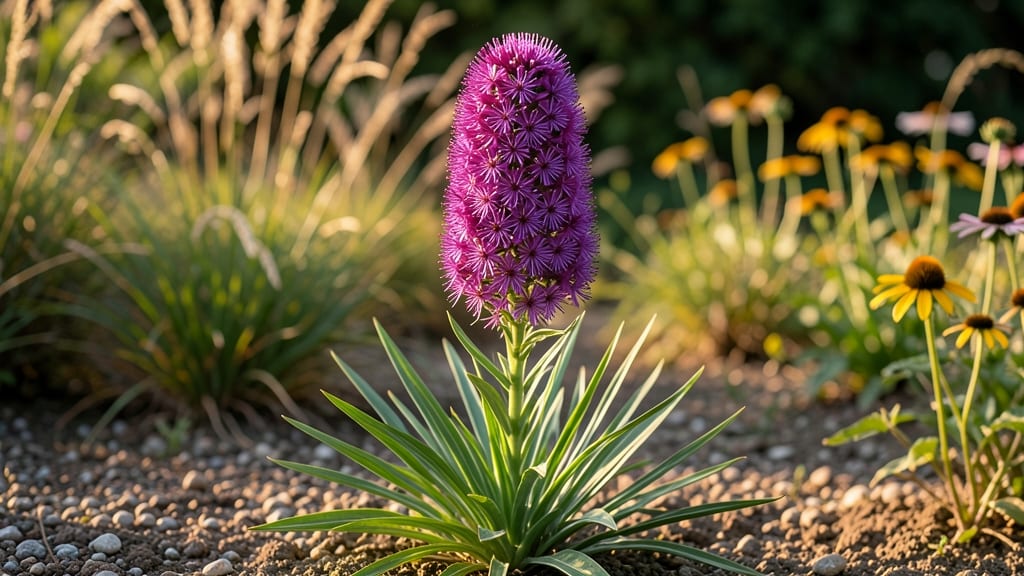
Yes, liatris is a perennial plant that thrives year-round by entering dormancy in winter, regrowing from deep root systems after frost. Its hardy nature makes it ideal for low-maintenance gardens and pollinator-friendly landscapes.
Liatris earns its perennial status through a clever survival strategy: deep, fibrous roots that store nutrients and moisture, allowing it to "sleep" through winter's freeze. 🌱 Unlike annuals that die back entirely, liatris simply conserves energy underground until temperatures rise, then bursts back to life with minimal care.
This makes it perfect for gardeners who want beauty without constant upkeep—just plant once and enjoy decades of blooms.
What sets liatris apart is its ability to handle tough conditions. These plants thrive in poor soil, drought, and even full sun—ideal for xeric landscapes or pollinator gardens where other perennials might struggle.
The key is giving it space to spread and avoiding overwatering once established. With proper planting (well-draining soil, full sun), you'll get those iconic purple spikes year after year.
💡 In This Article
- How Liatris Survives Winter Through Dormancy
- Planting and Caring for Liatris as a Perennial
How liatris survives winter through dormancy
The secret to liatris's perennial survival lies in its deep, fibrous root system that extends up to 2-3 feet underground. Unlike annuals that complete their life cycle in one season, liatris stores carbohydrates (like starches) in these roots, acting as a natural energy reserve.
When temperatures drop below 32°F, the plant enters dormancy, halting above-ground growth while preserving its root structure. This adaptation allows it to withstand frost down to -20°F in many varieties, making it far hardier than annuals like marigolds or zinnias.
During dormancy, liatris's roots continue to absorb moisture from the soil, preventing dehydration. The plant's cells produce antifreeze proteins—similar to those in winter wheat—that lower the freezing point of water inside its tissues.
This biological trick prevents ice crystals from forming and damaging cells. 🌱 In spring, as soil temperatures rise above 50°F, the roots detect warmth and begin regenerating shoots, often within 2-3 weeks, proving why liatris returns reliably each year.
What makes this process unique is how liatris balances energy conservation with rapid regrowth. While biennials like foxglove store energy for just one blooming season, liatris's roots maintain their vitality for decades, sometimes producing new shoots from multiple points along the root system.
This polycarpic (repeated flowering) strategy contrasts with annuals, which must rely on seed production for survival. The result? A plant that delivers bold purple blooms for years with minimal intervention.
One fascinating detail is how liatris's dormancy differs from true winter die-back plants. Unlike peonies, which lose all foliage but regrow from a crown, liatris retains some underground stem tissue that remains metabolically active.
This tissue acts as a living buffer, allowing the plant to respond quickly to spring conditions. The trade-off? Liatris requires well-draining soil—poor drainage can lead to root rot during winter's occasional thaw cycles.
For gardeners, this dormancy cycle means liatris needs no special winter protection beyond proper planting. In fact, mulching too heavily can trap moisture and encourage rot.
The plant's natural cold resistance makes it ideal for USDA hardiness zones 3-9, outperforming many perennials in both dry climates and cold winters. 💫 This hardiness explains why liatris thrives in prairie restorations and xeric gardens where other plants might fail.
Here's what this means for your garden: Plant liatris in full sun with sandy or rocky soil, and you'll get low-maintenance blooms for years. The plant's ability to "sleep" through winter without dying back completely sets it apart from annuals that must be replanted yearly.
This biological efficiency is why liatris remains a staple in native plant gardens across North America.