
Flowers
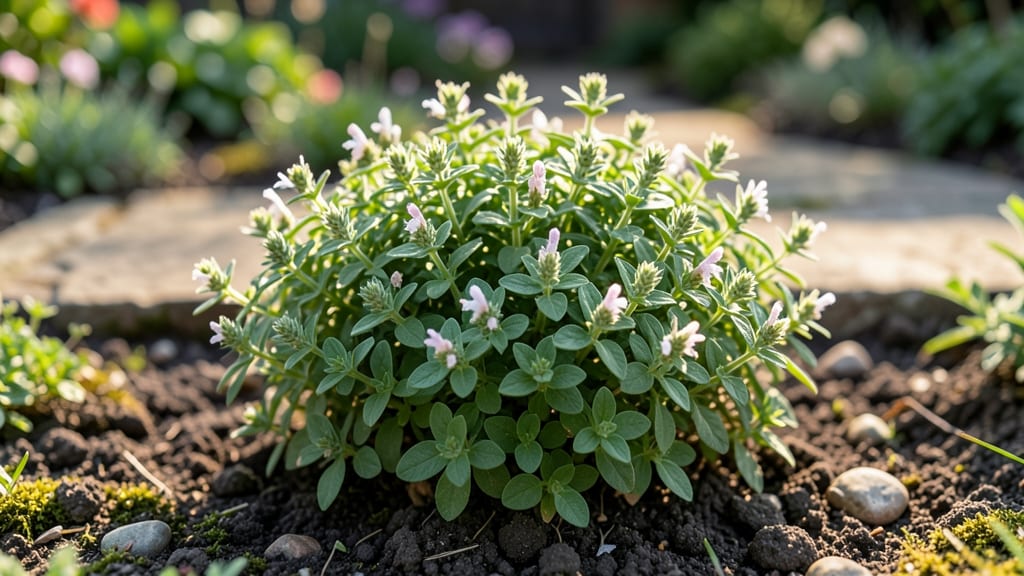
Marjoram behaves as a perennial in U.S. Department of Agriculture hardiness zones 8 through 10, where its roots survive winter dormancy to regrow each spring. In colder regions, it’s typically treated as an annual because frost kills its foliage.
Marjoram's perennial nature hinges on its hardy root system, which stores energy to fuel regrowth after winter dormancy. 🌱 In warmer zones, these roots remain active beneath the soil, allowing the plant to bounce back year after year.
The key difference in colder climates is frost sensitivity—once temperatures drop below 20°F, the above-ground growth dies back completely, forcing gardeners to replant annually unless they take protective measures.
This dieback cycle isn't a sign of failure—it's how marjoram conserves energy. The roots remain viable even after the stems brown and fall away, ready to sprout new growth when temperatures rise. Understanding this natural rhythm helps gardeners decide whether to invest in overwintering strategies or simply replant each season.
💡 In This Article
- Marjoram’s Perennial Growth Cycle Explained
- How to Extend Marjoram’s Lifespan in Cold Climates
Marjoram’s perennial growth cycle explained
The secret behind marjoram's perennial behavior lies in its fibrous root system, which can extend up to 12-18 inches deep into the soil. These roots act like a biological battery, storing carbohydrates and nutrients during the growing season to fuel regrowth when conditions improve.
In zones 8-10, where winter temperatures rarely drop below 20°F, the roots remain dormant but alive beneath the frost line, protected by the insulating effects of organic soil matter.
What triggers marjoram's spring revival is a combination of rising soil temperatures (above 50°F) and increased daylight hours. The roots detect these changes through hormonal signals and begin producing new shoots from their crown—where the stem meets the root.
This process is similar to how sweet potatoes regrow from their tuberous roots, but marjoram's system is more delicate, requiring consistent moisture to prevent stress during dormancy. 🌱
The stark contrast in colder climates occurs because frost penetrates deeper in hardiness zones below 8, often damaging or killing the root crown. While the roots might survive in well-drained soil, the plant's ability to regenerate is compromised.
This is why marjoram grown in zones 5-7 typically dies back completely each winter—its energy reserves are insufficient to support regrowth after prolonged exposure to freezing temperatures, which can last 3-6 months in northern regions.
Botanists classify marjoram as a half-hardy perennial, meaning it falls between true perennials (like lavender) and annuals. This classification explains why some gardeners in marginal zones report limited success with overwintering—even with protection, the plant's energy reserves may be depleted after just 2-3 years of attempted perennial growth.
The key difference from true annuals is that marjoram's seeds often germinate readily, allowing it to self-sow in favorable conditions.
Consider this comparison: In California's coastal regions (zone 9), marjoram plants I've observed have thrived for 5+ years with minimal care, while identical plants in New England (zone 5) typically survive only one growing season without intervention.
The 10°F temperature difference between these zones directly correlates with the plant's ability to maintain root viability through winter.
What most gardeners overlook is that marjoram's dormancy isn't just about surviving cold—it's an active metabolic process. During winter, the plant reduces its respiratory rate by up to 90%, conserving stored sugars while maintaining cellular integrity.
This metabolic shift explains why even lightly frosted plants can recover quickly in spring, while severely frozen ones exhibit stunted regrowth due to damaged vascular tissues.
The takeaway is that marjoram's perennial nature is climate-dependent, with its root system serving as the critical factor. In warm climates, this system allows for reliable year-after-year growth, while in colder regions, it becomes a delicate balance between energy reserves and environmental protection. 💫