
Flowers
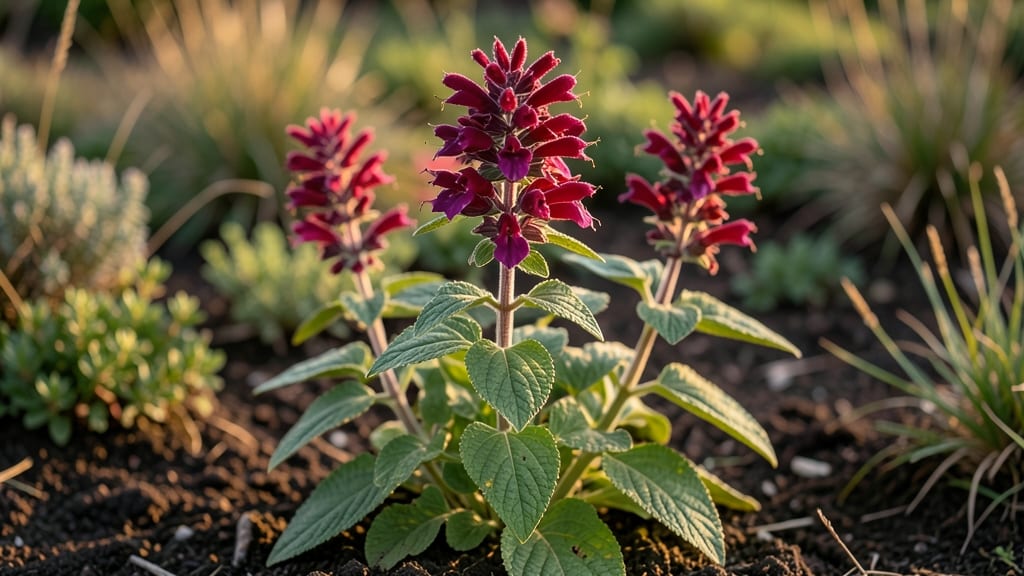
Yes, Monarda is a perennial plant that thrives year after year in USDA hardiness zones 4 through 9, though some varieties may die back to the ground during winter before regrowing in spring. Its natural clumping growth and deep root system help it establish strong, long-lasting growth with proper care.
Monarda's perennial nature comes from its woody crowns and deep taproots, which store nutrients and protect against cold snaps. 🌱 Unlike annuals that complete their life cycle in one season, Monarda plants return stronger each year—especially when given well-draining soil and consistent moisture.
The key is understanding your specific variety: bee balm (Monarda didyma) handles colder zones better than wild bergamot (Monarda fistulosa), which prefers slightly warmer climates.
What sets Monarda apart is its ability to self-sustain through seasonal changes. While the stems may brown and collapse in winter, the roots remain active underground, ready to burst back into growth when temperatures rise. This resilience makes it a favorite for pollinator gardens that need low-maintenance, long-term performers.
💡 In This Article
- Monarda’s Perennial Growth Cycle Explained
- Best Practices for Long-Term Monarda Care
Monarda’s perennial growth cycle explained
Monarda’s perennial nature stems from its unique woody crown—a thickened stem base that acts like a survival bank. This crown stores carbohydrates and nutrients over winter, allowing the plant to regenerate new growth when temperatures rise.
The crown’s thickness varies by species: Monarda didyma (bee balm) develops a more robust crown than Monarda fistulosa (wild bergamot), which explains why bee balm thrives in colder zones like 4-5 while wild bergamot prefers 5-8. 🌱
The deep taproot system (reaching 2-3 feet deep) is another key factor. These roots access moisture and nutrients from lower soil layers, making Monarda drought-tolerant once established. Unlike shallow-rooted annuals, this deep network helps the plant withstand seasonal droughts and cold snaps.
The roots also produce lateral shoots that form the plant’s characteristic clumping habit, which prevents overcrowding and disease spread.
Seasonal dormancy plays a crucial role in Monarda’s survival. During winter, above-ground growth dies back to conserve energy, but the roots remain metabolically active. This dormancy period is triggered by cold temperatures below 40°F and short daylight hours.
What’s fascinating is how the plant “times” its regrowth—new shoots emerge when soil temperatures reach 50-55°F, typically in late spring. This precise timing ensures the plant avoids late frosts while maximizing early-season pollinator support.
Cold hardiness varies significantly between varieties. For example, Monarda didyma can tolerate -20°F winters with proper mulching, while Monarda fistulosa struggles below 0°F without protection.
The difference lies in their native habitats: bee balm evolved in eastern North America’s colder climates, while wild bergamot adapted to the Great Plains’ more temperate winters. This explains why gardeners in zone 6 might see bee balm survive winters unprotected, while wild bergamot may need winter mulch.
Light exposure also affects dormancy patterns. Monarda grown in full sun (6+ hours daily) develops stronger crowns and deeper roots than shade-grown plants, which can become leggy and less cold-hardy.
The plant’s natural photoperiod sensitivity means it enters dormancy earlier in northern latitudes (like zone 4) than in southern zones (8-9). This adaptation ensures the plant conserves energy during shorter winters while maximizing growth during longer summers. 💫