
Planting
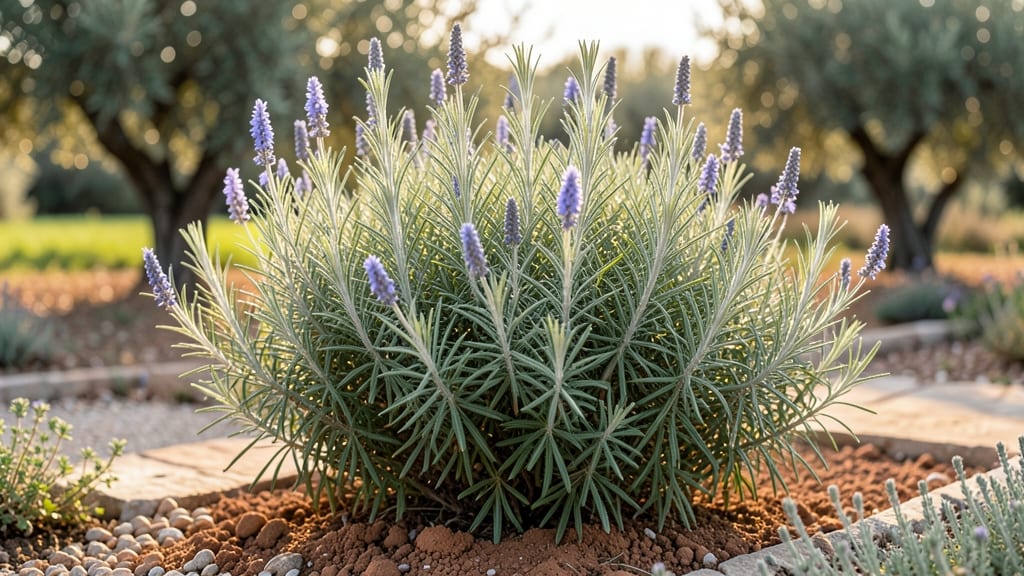
Rosemary in Zone 6 behaves like a perennial but typically dies back to the ground during winter due to cold sensitivity, often requiring winter protection or replanting each year. With the right care, it can regrow vigorously from its roots in spring.
Rosemary's perennial status in Zone 6 is more about resilience than survival—it's classified as a hardy perennial but struggles with temperatures below 10°F. 🌱 The key difference lies in its ability to regenerate from the root crown rather than surviving above-ground through winter.
Many gardeners treat it as an annual in colder microclimates, replanting each spring for fresh growth, while others use protective measures to encourage regrowth. The plant's woody stems make it particularly vulnerable to freeze damage, which is why mulching or container overwintering becomes essential in Zone 6's variable winters.
What sets rosemary apart from true perennials is its growth pattern—it often appears dead above ground but remains alive below. This makes it unique among herbs, as most either die completely or require more extreme cold tolerance.
The good news? With proper winter care, you can maintain your rosemary plants for years, enjoying their aromatic leaves season after season.
💡 In This Article
- Why Rosemary Struggles as a True Perennial in Cold Climates
- Protecting Rosemary Over Winter in Zone 6 Gardens
Why rosemary struggles as a true perennial in cold climates
Rosemary's perennial classification in Zone 6 is a bit misleading because it's primarily hardy to USDA Zone 8, where it thrives year-round with minimal care. The confusion arises because rosemary is a woody perennial native to the Mediterranean, where winters rarely drop below 20°F.
In Zone 6, where temperatures can plummet to -10°F or lower, the plant's above-ground growth freezes solid, creating that "dead" appearance many gardeners mistake for complete death. 🌡️
The critical factor is rosemary's cold hardiness threshold, which sits around 10°F. Below this, the plant's cell membranes rupture due to ice crystal formation, killing the stems but leaving the root crown and basal buds alive.
This explains why rosemary often regrows from the ground in spring—it's not dead, just dormant. Unlike true Zone 6 perennials like lavender or Russian sage, which maintain green foliage through winter, rosemary's survival strategy relies entirely on protected root systems.
Soil conditions play a surprising role in rosemary's winter survival. Sandy, well-draining soil—mimicking its Mediterranean habitat—helps prevent root rot from winter moisture while allowing the roots to stay slightly warmer than the air temperature.
In heavy clay soils common to Zone 6, moisture retention becomes problematic, as saturated roots struggle to survive sub-freezing temperatures. This is why container-grown rosemary often outperforms in-ground plants during winter—containers drain better and can be moved to sheltered locations. 🌿
Another key mechanism is rosemary's dieback response. When temperatures drop below 25°F, the plant's growth hormones trigger a shutdown of above-ground functions, redirecting energy to root storage. This survival adaptation explains why even severely frosted rosemary can rebound in spring—its roots have been storing carbohydrates all season.
However, repeated exposure to extreme cold weakens this reserve, which is why older plants often require more protection than young ones.
Comparing rosemary to other cold-sensitive herbs reveals its unique challenges. Unlike thyme or oregano, which form dense ground covers that insulate themselves, rosemary's upright growth habit makes it more vulnerable to wind desiccation and frost penetration.
Its needle-like leaves also have less surface area for photosynthesis during winter, further limiting its ability to recover quickly from cold stress. This is why gardeners often treat rosemary as a semi-perennial—it behaves like a perennial in milder winters but requires annual care in colder climates.
The botanical term for this behavior is deciduous woody perennial, meaning it sheds its above-ground growth annually but maintains living roots. This classification explains why rosemary can persist for years in Zone 6 with proper care, while other annual herbs like basil would never survive winter conditions.
The key difference lies in the root system's ability to regenerate new growth when conditions improve. 🌱