
Flowers
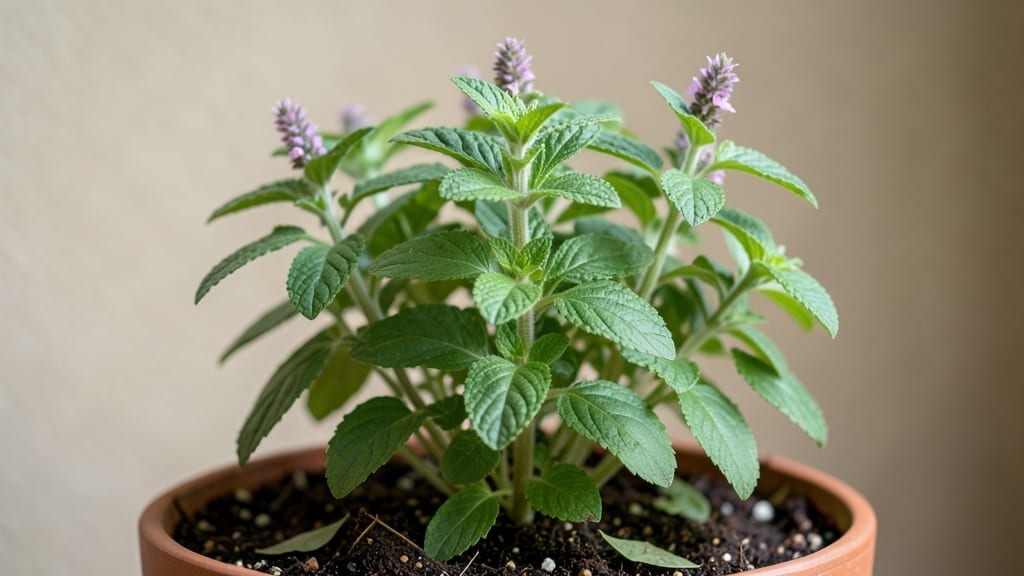
Yes, spearmint is a perennial herb that returns year after year, often spreading aggressively through its deep root system to form dense ground cover that thrives in USDA zones 3-11.
Spearmint's perennial nature comes from its rhizomatous root system, which stores nutrients underground and sends up new shoots each spring.
Unlike annual herbs like cilantro that bolt and die, spearmint goes dormant in winter but revives with cold hardiness down to -25°F. 🌱 This makes it a low-maintenance choice for gardeners—once established, it outcompetes weeds and spreads naturally, giving you fresh leaves for years without replanting.
To keep your spearmint thriving, focus on pruning in early spring to encourage bushier growth and harvesting leaves regularly (but never more than 1/3 of the plant at once).
In colder zones, mulch helps insulate roots, while southern climates may need shade in peak summer heat. Dividing clumps every few years prevents overcrowding and keeps your patch productive.
💡 In This Article
- Why Spearmint Survives Winter and Regrows Vigorously
- How to Maximize Spearmint’s Perennial Growth Year After Year
Why spearmint survives winter and regrows vigorously
Spearmint's perennial survival hinges on its rhizomatous root system, a network of underground stems that store carbohydrates and nutrients like a natural battery. These roots can extend 12-18 inches deep and 2-3 feet wide, creating a dense web that survives winter freeze-thaw cycles.
When temperatures drop below 32°F, the above-ground foliage dies back, but the roots remain dormant yet alive, ready to push new shoots when soil temperatures rise above 45°F in spring.
The science behind this resilience lies in spearmint's ability to enter cold dormancy—a metabolic slowdown that conserves energy while protecting cells from frost damage.
Unlike annual herbs like cilantro, which bolt and die in heat or cold, spearmint's roots contain antifreeze proteins that prevent ice crystal formation in cells, allowing it to endure -25°F temperatures in USDA zones 3-11. This hardiness explains why spearmint often outlasts other garden herbs, even in harsh climates.
What most gardeners don't realize is how spearmint's aggressive regrowth works. After winter dieback, the rhizomes detect increasing daylight and warmth, triggering a hormonal cascade that produces auxin (a growth hormone) and cytokinins (cell division stimulants).
Within 2-3 weeks of spring thaw, you'll see new shoots emerge from the soil surface, often forming dense patches that suppress weeds naturally. This competitive advantage comes from its ability to spread 1-2 feet per year through underground runners.
Comparing spearmint to annual herbs like cilantro highlights its superiority in long-term gardening. Cilantro's life cycle lasts just 60-90 days before bolting, while spearmint's rhizomes continue growing for decades with minimal care.
The key difference? Annuals rely on seed germination each year, while perennials like spearmint invest energy in root expansion—creating a self-sustaining system that requires only sunlight and occasional watering to thrive.
For visual contrast, imagine two gardens side by side: one with cilantro that must be replanted every season, and another with spearmint that spreads naturally, forming a 2-foot-wide green carpet by its third year.
The spearmint patch requires no replanting, outcompetes weeds through sheer density, and produces fresh leaves for 4-6 months annually with proper care. This perennial powerhouse demonstrates why spearmint earns its reputation as the "evergreen" herb of the garden.
One advanced tip: Spearmint's regrowth vigor can be enhanced by light pruning in early spring (cutting back by 1/3) to stimulate bushier growth. The plant responds by producing more lateral shoots from its rhizomes, creating a thicker, more productive ground cover.
This technique works because it mimics natural competition—by reducing the plant's height, you encourage energy to flow into root and shoot expansion rather than vertical growth.