
Companion Plants
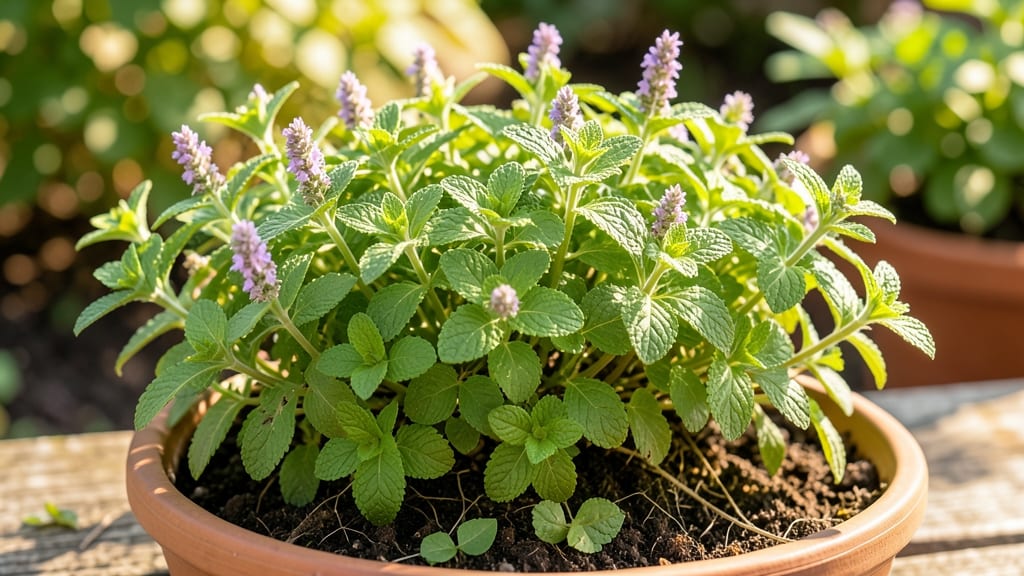
Yes, sweet mint is a perennial that returns each spring from its root system after dying back in winter, making it a reliable choice for USDA hardiness zones 5 through 9 when given proper winter protection.
This hardy herb survives winter thanks to its extensive rhizome network, which stores energy underground. 🌱 Unlike annuals that complete their life cycle in one season, sweet mint's roots remain dormant but alive through cold months, ready to burst back with new growth when temperatures rise.
The key to its persistence lies in protecting these roots from extreme cold—whether through mulch, containers, or strategic pruning before frost.
What sets sweet mint apart is its adaptability across zones 5-9, though northern varieties may need extra insulation. I’ve seen it thrive even in zone 4 with thick mulching, proving its resilience when given the right conditions.
The trade-off? Its aggressive spreading habit means it’s best contained in pots or controlled garden beds.
💡 In This Article
- Sweet Mint’s Perennial Growth Cycle Explained
- How to Overwinter Sweet Mint in Zones 5-9
Sweet mint’s perennial growth cycle explained
Sweet mint’s perennial nature stems from its underground rhizome system, a horizontal stem that stores nutrients and produces new shoots. Unlike annuals that complete their lifecycle in one season, sweet mint’s roots enter dormancy in winter but remain alive, ready to regenerate when temperatures rise above 40°F.
These fibrous roots can extend 12-18 inches deep, allowing the plant to access moisture and nutrients even in dry conditions.
The regrowth process begins in early spring when soil temperatures reach 50-55°F, triggering the rhizomes to send up new stems. You’ll often see fresh green shoots emerge from the ground before the old foliage has fully decomposed—a sure sign of its hardy persistence.
Cultivar differences matter here: spearmint, for example, tends to be slightly more cold-hardy than peppermint hybrids, which may need extra protection in zone 5.
What makes sweet mint unique is its ability to spread aggressively through these rhizomes, which can become a gardener’s blessing or curse. The plant’s growth habit makes it ideal for ground cover but requires containment in garden beds or containers.
This spreading nature also explains why it often returns more vigorously each year—its extensive root network ensures it outcompetes weeds for resources.
During dormancy, sweet mint’s above-ground growth dies back completely, but the roots remain metabolically active, slowly converting stored starches into energy. This process is similar to how asparagus or horseradish survive winter, though sweet mint’s rhizomes are less woody and more fibrous.
The key difference is that sweet mint’s regrowth is typically faster and more abundant in spring.
One fascinating aspect is how sweet mint’s cold hardiness varies by region. In zone 9, it may only need minimal protection, while in zone 5, gardeners often report better survival rates when using 4-6 inches of mulch or moving potted plants to sheltered locations.
The plant’s ability to regenerate from even small root fragments also makes it incredibly resilient after frost damage.
For gardeners curious about propagation, sweet mint’s perennial nature means you can easily divide established plants in early spring or fall. Simply dig up a section of the rhizome with attached shoots, replant it, and within weeks, you’ll have a new thriving patch.
This makes it one of the most low-maintenance herbs for long-term garden success.