
Flowers
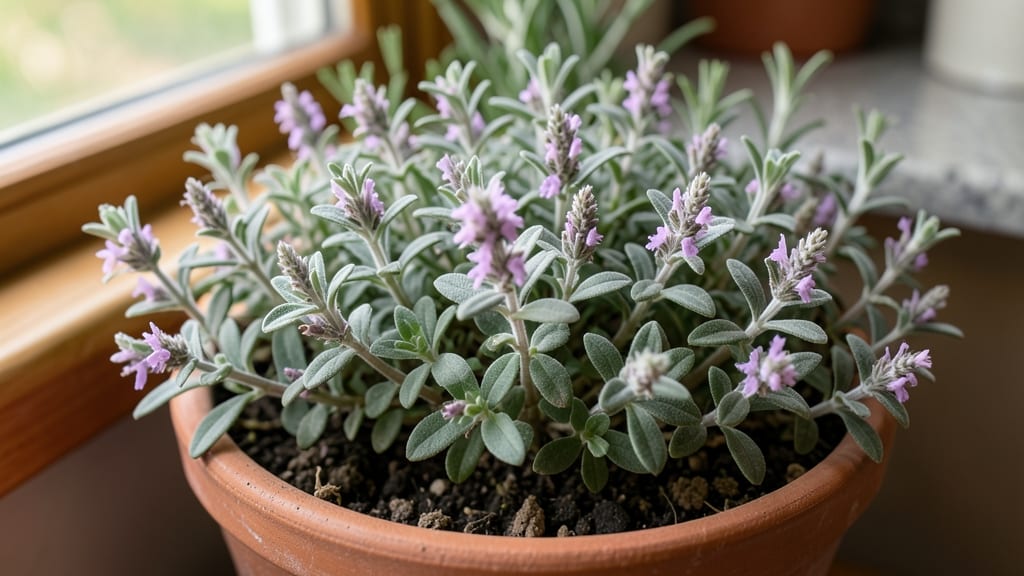
Yes, thyme is a perennial herb that returns each growing season from its hardy root system, often looking brown or dormant in winter before spring regrowth. With proper care, most varieties live for 5+ years and require minimal upkeep.
Thyme's perennial nature comes from its deep root system, which stores energy to fuel regrowth after winter dormancy. 🌱 Unlike annuals that die completely, thyme plants simply shed leaves in cold weather—a survival adaptation that lets them rebound once temperatures rise.
This dieback cycle is normal, especially in colder climates (USDA zones 5-9), where thyme may appear dead but remains alive underground. The key to long-term success is protecting these roots during winter while avoiding over-pruning in spring.
What sets thyme apart is its resilience—many varieties like lemon thyme or common thyme can thrive for decades with basic care. The brown stems you see in winter aren't dead branches but protective structures that shield the plant's core.
I've seen thyme plants bounce back even after harsh winters, proving that their "dormancy" is just a clever energy-saving strategy. Just remember: never trim back to the ground in late fall, as this removes the plant's winter insulation.
💡 In This Article
- Thyme’s Winter Dieback Cycle Explained
- How to Care for Thyme Over Winter for Year-Round Growth
Thyme’s winter dieback cycle explained
The semi-dormancy thyme exhibits in winter is a botanical survival strategy called deciduousness, where the plant sheds leaves to conserve energy. When temperatures drop below 40°F, thyme's above-ground growth stops photosynthesizing and turns brown—a process triggered by shorter daylight and cold stress.
The plant redirects resources to its woody stems and roots, which contain stored carbohydrates (up to 30% of root weight in some varieties) that fuel spring regrowth. This isn't death but a metabolic slowdown, similar to how trees enter dormancy each fall.
Thyme's root system is the secret to its perennial nature—these fibrous roots can extend 12-18 inches deep and contain specialized cells that prevent freezing damage. The plant's woody base (often mistaken for dead stems) acts as insulation, protecting the root crown where new growth emerges.
In USDA zones 5-9 (where thyme thrives), winter temperatures rarely drop low enough to kill these roots, which explains why thyme can return year after year even in colder regions.
The brown stems you see in winter are actually protective structures that shield the plant's core from extreme cold and frost.
What makes this cycle fascinating is the timing—thyme typically begins regrowth when soil temperatures reach 50°F, often 4-6 weeks before the last frost date. This early start gives it a competitive advantage over annual herbs that must germinate from seed each spring.
The plant's ability to photosynthesize through its woody stems (even when leafless) allows it to begin storing energy for new growth before leaves fully emerge. This is why thyme often appears greener earlier in spring than other herbs.
Regional hardiness plays a crucial role in thyme's survival. While common thyme (Thymus vulgaris) handles zones 5-9, varieties like lemon thyme (Thymus × citriodorus) are slightly more tender and may need winter protection in zone 5.
The key difference lies in their root insulation—hardier varieties develop thicker woody bases that act like natural mulch. In colder microclimates (like zone 5's northern edge), adding 3-4 inches of mulch can make the difference between winterkill and survival.
Here's what's happening at the cellular level: Cold temperatures trigger the production of antifreeze proteins in thyme roots, which prevent ice crystal formation that could rupture cells. Meanwhile, the plant's stomata (pores) close to minimize water loss, entering a state of physiological drought.
This dual protection system allows thyme to remain viable even when snow covers the ground for months. The plant's ability to "wake up" so quickly in spring is due to these pre-stored resources and its efficient energy-conservation mechanisms.
One common misconception is that brown thyme is dead—this couldn't be further from the truth. The plant's survival strategy is so effective that even after 6-8 months of dormancy, thyme can rebound with new growth within 2-3 weeks of warm weather.
This rapid recovery is why thyme remains one of the most resilient herbs in gardeners' toolkits, especially in regions with cold winters. The brown stems you see in winter are actually the plant's winter clothing, designed to protect its vital organs until spring arrives.