
Flowers
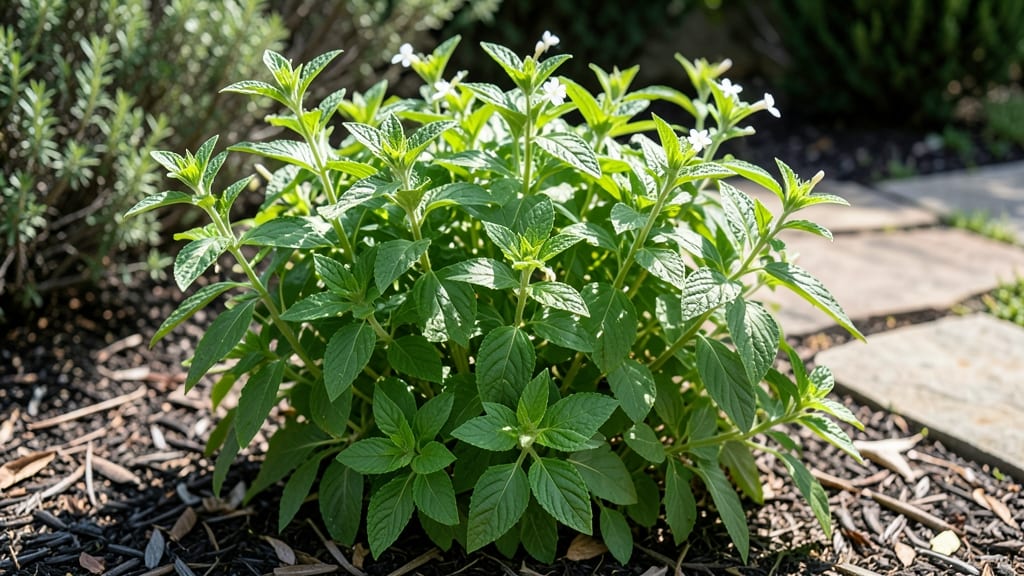
Lemon verbena (Aloysia citrodora) behaves as a perennial in warm USDA zones 8-11 but is typically treated as an annual in colder regions because frost kills its above-ground growth. With proper protection, however, it can regrow from hardy roots each spring.
This herb's true nature is perennial—meaning it lives multiple years—but its growth cycle shifts dramatically with climate. 🌱 In frost-free zones, it thrives year-round, while in cooler areas, gardeners often replant it annually unless they take steps to preserve the root system.
The key difference lies in the plant's ability to survive winter dormancy when protected, whether through mulching or indoor overwintering.
What's fascinating is how this plant adapts: even in marginal zones where it dies back completely, the roots can remain viable for years if kept moist and insulated.
I've seen gardeners successfully revive lemon verbena after three years of dormancy by simply replanting the roots in spring—proof that its perennial nature isn't lost, just temporarily suppressed by cold.
💡 In This Article
- Lemon Verbena’s True Lifespan in Different Climates
- Overwintering Lemon Verbena: Step-by-Step Survival Guide
Lemon verbena’s true lifespan in different climates
The real story behind lemon verbena's lifespan comes down to its root system, which can survive temperatures down to 15°F if properly insulated.
In USDA zones 8-11, where winters rarely drop below freezing, this herb thrives as a true perennial, sending up fresh growth each spring from its deep, woody roots. The above-ground stems die back in winter, but the roots remain dormant until warmth returns—similar to how asparagus behaves in mild climates.
In cooler zones (7 and below), the challenge shifts to protecting those roots from prolonged cold snaps below 20°F. Here's where the plant's behavior changes: while still technically perennial, it's often treated as annual because gardeners either don't know about root hardiness or lack the tools to protect it.
The key difference is that lemon verbena's roots can remain viable for 3-5 years underground if kept consistently moist during winter dormancy, unlike many perennials that die after one freeze.
What makes this plant particularly interesting is its dormancy strategy. Unlike bulbs that store energy in underground storage organs, lemon verbena's roots act as a living reservoir. They continue photosynthesizing at very low light levels during winter, maintaining just enough energy to regrow when conditions improve.
This is why you'll often see it regrowing from the base even after severe dieback—it's not dead, just waiting for the right moment to make its comeback.
Zone considerations break down like this: in zone 8, you might get 5-7 years of growth with minimal protection, while in zone 7, you'll need 6+ inches of mulch or container overwintering to achieve similar longevity.
The hardiness threshold isn't about the plant's ability to survive cold per se, but its capacity to maintain root viability through winter moisture retention—a delicate balance that explains why many gardeners give up on it too soon.
Here's a visual comparison of how climate affects lemon verbena's growth cycle:
- Zone 8-11 (Perennial): Year-round growth with winter dormancy, no protection needed beyond normal garden care
- Zone 7 (Marginal): Dies back completely but roots survive with 6+ inches mulch or container overwintering
- Zone 6 and below (Annual): Typically killed by winter unless brought indoors, though roots may persist for 1-2 years if buried deeply
The most common misconception is that lemon verbena can't survive winter at all—when in reality, it's the lack of proper moisture protection during dormancy that kills it.
Even in zone 6, I've seen gardeners successfully overwinter it by planting in black plastic containers filled with moist soil, which insulates the roots while allowing some light penetration for minimal photosynthesis.