
Flowers
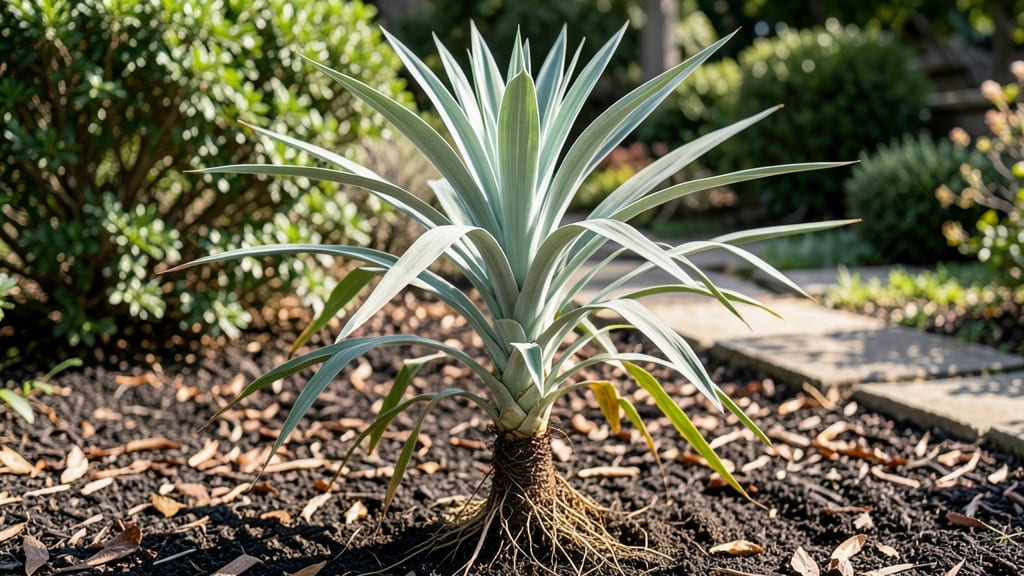
Whether lemongrass is annual or perennial depends on your climate: it thrives as a hardy perennial in warm tropical zones but dies back to the ground in colder regions when temperatures fall below 20°F (-6°C). With proper protection, it can regrow from its root system each spring.
Lemongrass's growth cycle is all about temperature tolerance—its roots are surprisingly resilient, but frost is the enemy. 🌱 In USDA zones 9-11, where winters rarely dip below freezing, lemongrass grows continuously as a perennial, sending up new shoots year-round.
However, in cooler climates (zones 7-8), even a light frost can kill the above-ground stems, forcing the plant to rely on its protected root crown for regrowth. This is why gardeners in these areas often treat it as an annual, replanting each season unless they take special overwintering measures.
What makes this particularly interesting is how quickly lemongrass recovers. Even after a complete die-back, the roots can produce fresh growth within weeks once temperatures warm again. The key is protecting those roots—whether through thick mulch, container growing, or bringing potted plants indoors during winter.
This hardiness is what makes lemongrass such a rewarding plant for both tropical and temperate gardeners alike.
💡 In This Article
- How Climate Affects Lemongrass’s Perennial vs Annual Growth
- Extending Lemongrass’s Life in Cold Climates
How climate affects lemongrass’s perennial vs annual growth
Lemongrass's growth cycle hinges on its root system's ability to survive winter dormancy. Native to tropical regions like Southeast Asia and India, this plant thrives as a true perennial in climates where temperatures never drop below 50°F (10°C).
Its fibrous roots store carbohydrates during the growing season, fueling regrowth when conditions improve. The above-ground stalks, however, are frost-sensitive—they'll crisp and turn brown at 32°F (0°C), but the root crown remains alive if protected.
The critical threshold is 20°F (-6°C), where even the roots begin suffering cellular damage. This explains why lemongrass behaves as an annual in USDA zones 7-8: without protection, the entire plant dies back. In contrast, tropical zones (9-11) maintain 60-80°F (15-27°C) winters, allowing continuous growth.
The plant's natural defense mechanism is to conserve energy in its roots during cooler periods, ready to sprout new shoots when warmth returns. 🌱
What's fascinating is how lemongrass adapts its growth rate to temperature. In tropical climates, it grows aggressively year-round, reaching 3-5 feet (1-1.5 meters) tall with multiple stalks per clump. In cooler regions, growth slows dramatically below 65°F (18°C), forcing gardeners to either harvest before frost or implement protective measures.
This temperature sensitivity explains why some varieties (like Cymbopogon citratus) are more cold-tolerant than others.
The plant's botanical classification as a monocot (like grasses) gives it unique resilience. Unlike dicots, lemongrass lacks true woody stems, which makes it more vulnerable to frost damage but also allows it to regenerate quickly from its root base.
This is why you'll often see lemongrass sold as "annual" in nurseries in temperate zones—it's a practical classification rather than a biological limitation. The roots can remain viable for years if kept dormant in cool, moist conditions.
Consider this example: In Miami (zone 10b), lemongrass grows continuously with minimal care, while in Atlanta (zone 7b), the same plant would die back each winter unless protected. The difference isn't the plant itself but the climate's ability to support its perennial growth habits.
This is why gardeners in cooler regions often treat lemongrass like a short-lived perennial—it can technically survive multiple years if properly overwintered, but it's more practical to treat it annually.
Understanding this growth pattern helps explain why lemongrass is so popular in cuisines worldwide. Its ability to regenerate quickly means gardeners can have a continuous supply of fresh stalks, even in climates where it's not truly perennial.
The key is working with the plant's natural temperature thresholds rather than against them. ✨