
Aphids
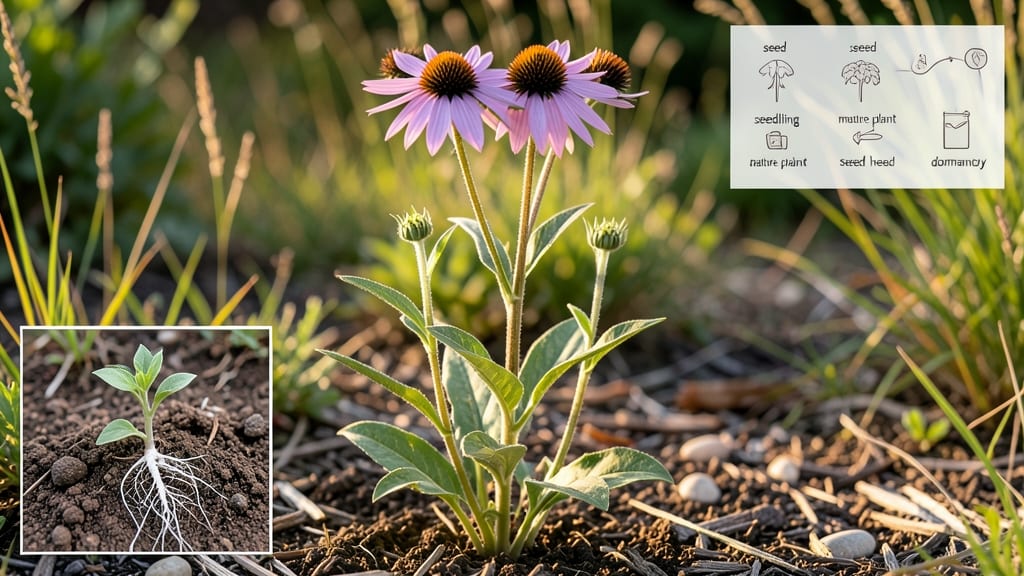
The perennial life cycle reveals how plants strategically retreat above ground each winter while their roots and underground stems store energy for spring revival. This survival strategy leverages cold tolerance to pause growth, preserving vital nutrients until warmer conditions restart development.
The perennial life cycle isn't just about surviving winter—it's a carefully timed biological reset. 🌱 When temperatures drop, plants like hostas and peonies shed their foliage to prevent moisture loss, while their roots continue storing carbohydrates.
This underground energy reserve fuels rapid regrowth once temperatures rise, often within just a few weeks. What's fascinating is how different perennials adapt: some rely on thick rhizomes, others on bulb-like tubers, each tailored to their native climate's challenges.
This cycle also explains why some perennials thrive in harsh conditions while others struggle. The key lies in their ability to balance dormancy with stored resources—think of it as nature's version of hibernation.
For gardeners, understanding this process helps time pruning, mulching, and other care tasks to support rather than disrupt the plant's natural rhythm.
💡 In This Article
- How Perennials Overwinter: Root Systems and Dormancy Science
- Protecting Perennials Through Dieback: Seasonal Care Tips
How perennials overwinter: root systems and dormancy science
Perennials employ a sophisticated survival strategy where their above-ground parts die back while specialized underground structures—rhizomes, tubers, and crown buds—remain active. These structures act like biological batteries, storing carbohydrates like starch and sugars that fuel regrowth when conditions improve.
For example, peonies store energy in thick, fleshy roots that can contain up to 20% starch by weight, while hostas rely on fibrous rhizomes that spread horizontally to access moisture and nutrients.
The transition to dormancy is triggered by a combination of temperature drops below 50°F (10°C) and reduced daylight (photoperiod). Plants like asclepias (milkweed) detect these cues through specialized proteins that regulate gene expression, slowing metabolic processes to conserve energy.
This dormancy isn't passive—it's an active state where growth points remain protected by insulating layers of cells, much like how animals enter torpor to survive winter.
What makes this system so efficient is the balance between energy storage and protection. Rhizomes, for instance, grow just below the frost line (4-6 inches deep), where temperatures remain above freezing even in harsh winters.
Tubers, like those of daylilies, develop a protective bark-like layer that prevents water loss and rot. This underground network also allows perennials to recover quickly in spring—some species can push new shoots within 7-10 days of consistent warmth.
Not all perennials use the same strategy, which explains why some thrive in Zone 3 (-40°F/-40°C) while others struggle in Zone 5 (15°F/-9°C). For instance, coneflowers (Echinacea) rely on deep taproots that reach 3-5 feet into the soil, accessing moisture and nutrients beyond the frost line.
In contrast, delicate perennials like lungwort develop dense mats of foliage that insulate their crowns, creating a microclimate that stays 5-10°F warmer than the surrounding air.
This biological adaptation isn't just about survival—it's a finely tuned system that maximizes growth potential. By storing energy underground, perennials avoid the energy drain of maintaining foliage during winter.
When spring arrives, the stored carbohydrates are converted into sugars that fuel rapid leaf and stem production, often within 2-4 weeks, depending on the species and climate. 🌿
Consider the case of peonies, which can live for 50-100 years in optimal conditions. Their longevity stems from this cycle: each winter, they shed their leaves to conserve moisture, while their roots continue to expand and store energy.
This strategy allows them to outlast annuals and even some biennials, which must replant themselves from seed each year.