
Flowers
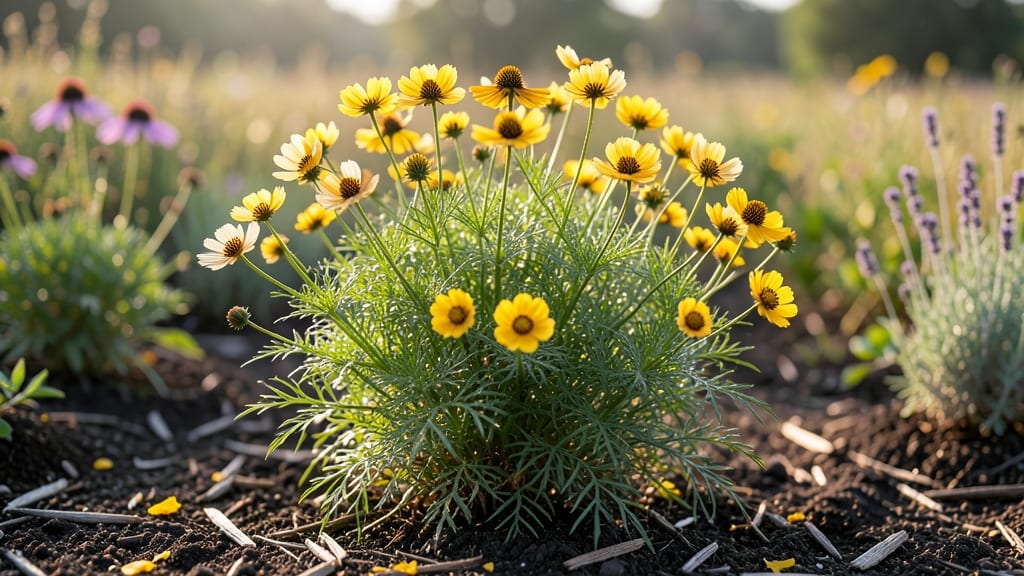
Small yellow perennial flowers bring cheerful color to sun-drenched gardens while demanding almost no effort to maintain. These hardy plants thrive in full sunlight with minimal watering, making them perfect for busy gardeners. Standout choices like coreopsis and black-eyed Susans produce abundant blooms season after season and support local pollinators.
These cheerful bloomers have evolved to handle tough conditions—many store water in their leaves and stems, which helps them survive droughts while still producing bright yellow flowers that catch the eye. 🌻 The secret to their low-maintenance success lies in their deep root systems, which anchor them firmly in the soil while accessing moisture deep underground.
Unlike annuals that need replanting every year, these perennials return stronger each spring, often blooming from early summer through fall.
What makes them especially appealing is their ability to thrive in poor soil conditions, as long as they get plenty of sunlight. Many varieties also double as pollinator magnets, attracting bees and butterflies that help support local ecosystems.
For gardeners looking to create a vibrant, self-sustaining landscape without constant upkeep, these sun-loving perennials deliver both beauty and practicality.
💡 In This Article
- Why Small Yellow Perennials Excel in Sunny Gardens
- Top 5 Low-Maintenance Yellow Perennials for Beginners
Why small yellow perennials excel in sunny gardens
These vibrant bloomers thrive in sunny conditions thanks to their highly efficient chlorophyll production. Unlike shade-loving plants, small yellow perennials like coreopsis and black-eyed Susans have evolved to maximize photosynthesis under intense sunlight.
Their leaves contain higher concentrations of carotenoids (the pigments responsible for yellow hues) which act as natural sunscreens, protecting delicate tissues while still absorbing light energy. This adaptation allows them to continue blooming even when temperatures climb above 85°F, unlike many annuals that bolt or fade in heat.
Their drought resistance comes from specialized succulent stems and leaves that store moisture. For example, sedum varieties can survive with as little as 1 inch of water per month once established, while still producing cheerful yellow flowers.
The deep root systems—often extending 2-3 feet underground—tap into water reserves that shallow-rooted plants can't access. This biological advantage means they require 30-50% less water than many ornamental perennials while maintaining their vibrant color.
Seasonal bloom cycles are another key advantage. Most small yellow perennials follow a spring-to-fall flowering pattern, with some varieties like daylilies producing multiple flushes of blooms throughout the growing season.
The yellow pigment in these flowers contains flavonoids that help reflect excess sunlight, preventing heat damage while still attracting pollinators. This extended bloom time creates continuous color without the need for replanting—unlike annuals that require yearly replacement.
Ecologically, these plants serve as pollinator powerhouses. The bright yellow flowers contain nectar guides (patterns invisible to humans but visible to bees) that direct pollinators straight to the flower's center.
A single coreopsis plant can support 50-100 bee visits per hour during peak bloom, while also providing shelter for beneficial insects. Their deep roots also improve soil structure by preventing erosion and increasing water infiltration—making them both beautiful and functional additions to any sunny landscape.
What most gardeners don't realize is how these plants self-regulate their growth. When water becomes scarce, they automatically reduce leaf size and focus energy on root development, then rebound quickly when conditions improve.
This built-in resilience means they require only occasional deadheading (removing spent blooms) to encourage more flowers, while other perennials might need monthly pruning to stay tidy.
The yellow pigment itself plays a crucial role in their survival. Studies show that yellow flowers absorb 400-500 nanometers of light (blue/violet spectrum) while reflecting green and yellow wavelengths—this helps them stay cooler in full sun.
The same pigments that make them visually striking also act as natural antioxidants, protecting the plant's cellular structures from UV damage during long summer days.
For gardeners seeking effortless beauty, these perennials deliver year after year with virtually no maintenance beyond an initial planting. Their ability to thrive in full sun (6+ hours daily), handle poor soil, and support local ecosystems makes them the ultimate no-fuss solution for sunny garden spaces. 🌻