
Planting
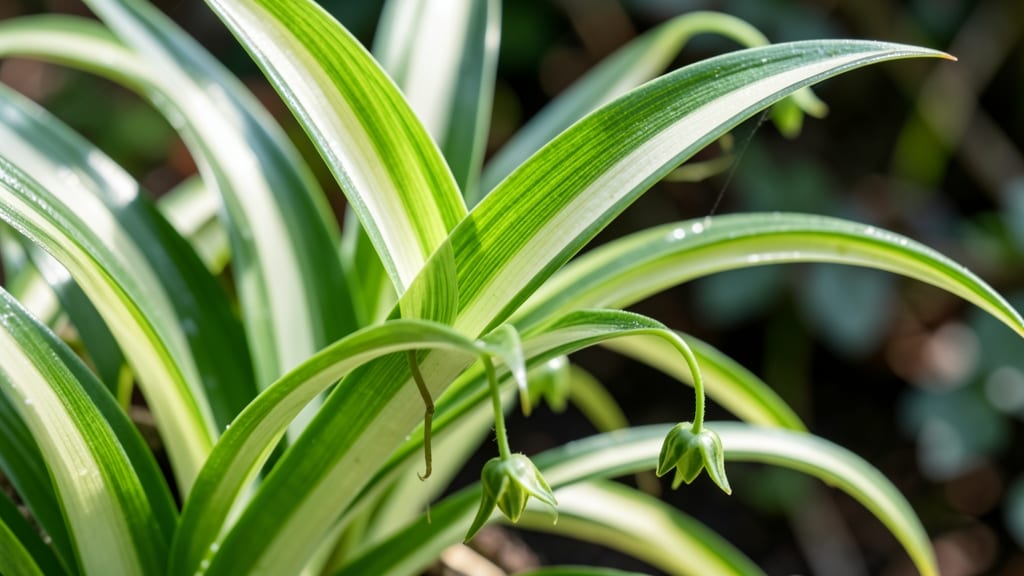
Spider plants are perennials that thrive as hardy houseplants and outdoor plants in USDA zones 9-11, rebounding each growing season from their underground rhizomes. While they may appear dormant during frost, they'll bounce back with proper winter care.
As a perennial, your spider plant keeps coming back stronger each year thanks to its underground rhizome network, which stores energy like a natural battery. 🌱 Unlike annuals that die after one season, spider plants focus their energy on growing new leaves and runners during warm months, then conserve resources when temperatures drop.
This makes them perfect for both indoor growers and gardeners in mild climates—just give them the right conditions, and they'll reward you with lush foliage year after year.
What's fascinating is how they handle cold differently than true tropical plants. While they won't survive freezing temperatures, their rhizomes can endure light frosts if protected properly.
This resilience is why so many gardeners in zones 8 and below keep them in containers they can bring indoors during winter—it's all about giving those rhizomes a chance to rest without completely dying back.
💡 In This Article
- Spider Plant Growth Cycle: How It Thrives as a Perennial
- Cold Hardiness Tips: Protecting Spider Plants in Winter
Spider plant growth cycle: how it thrives as a perennial
Spider plants (Chlorophytum comosum) earn their perennial status through an ingenious underground system called rhizomes—thick, horizontal stems that store nutrients and energy like a plant battery. 🌱 These rhizomes grow aggressively during warm seasons (spring through fall), producing new shoots and leaves while extending their network beneath the soil.
Unlike annuals that complete their life cycle in one year, spider plants focus their energy on horizontal expansion rather than vertical growth, creating a dense web of roots that can spread up to 12-18 inches in ideal conditions.
Their growth cycle mirrors tropical rhythms: rapid leaf production during 70-85°F temperatures with bright, indirect light, followed by a natural slowdown when days shorten. You'll notice new leaves emerging in a spiral pattern from the center, each about 12-24 inches long with those signature white-striped edges.
What's fascinating is how they prioritize reproduction—when conditions are perfect, they send out long, arching "spiderettes" (baby plants) that can root in water or soil, creating clones of the mother plant.
This perennial behavior differs dramatically from annuals (like marigolds) that complete their entire lifecycle in one season or biennials (like carrots) that store energy for two years. Spider plants, however, treat each growing season as a chance to build their rhizome reserves.
In frost-free zones (9-11), they continue growing year-round, while in cooler climates, they enter a semi-dormant state where leaf growth halts but the rhizomes remain alive, ready to rebound when temperatures rise again.
Here's what makes their cycle unique: their leaves act as temporary storage too. The long, strap-like foliage contains starches that get converted to sugars during dormancy, feeding the rhizomes.
This is why even a single rhizome fragment with a few leaves can regrow into a new plant—it's like having a built-in survival kit. 💫 What most people don't realize is that this underground network can live for decades if conditions remain stable, making spider plants one of the most resilient perennials for indoor growing.
The key to their perennial success lies in this balance: aggressive above-ground growth when resources are abundant, followed by strategic conservation when conditions turn harsh.
Unlike tropical plants that die with frost, spider plants have evolved to "play dead" temporarily—dropping leaves to protect their vital rhizomes, which can survive temperatures down to 25°F for short periods if kept dry.
This survival strategy is what allows them to thrive as both houseplants and outdoor perennials in protected microclimates.
Consider this growth pattern when caring for your spider plant: during active growth (spring-fall), they'll drink 1-2 cups of water weekly and produce new leaves every 2-3 weeks. In winter, reduce watering by half and expect no new growth—this isn't death, it's their natural conservation phase.
The plant's ability to time these cycles so precisely is what makes it such a reliable perennial choice for gardeners and indoor plant lovers alike.