
Fertilization
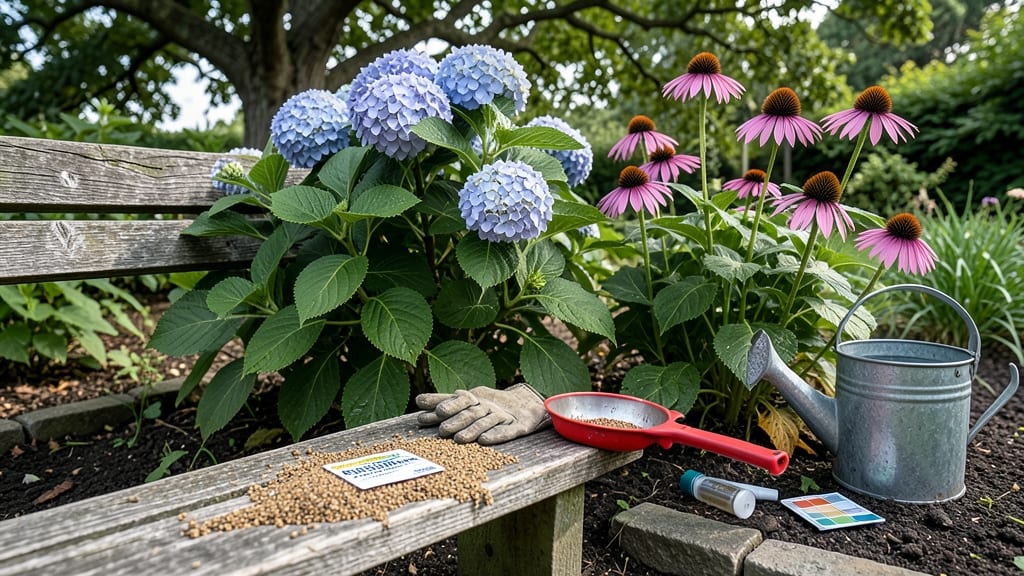
To fertilize perennials and shrubs, time applications for early spring before new growth appears, then again in late spring or early summer for blooming plants. Skip fall and winter fertilizing, as plants enter dormancy. Organic choices like compost or slow-release granules provide the most balanced nutrient release.
Timing matters because early spring fertilization aligns with when plants naturally wake up from dormancy. 🌱 During this period, roots are actively growing and can absorb nutrients efficiently. For flowering varieties, that second application in late spring gives them the extra boost they need to produce vibrant blooms.
I've noticed that plants fertilized at this stage often show healthier foliage and more abundant flowers throughout the season.
What many gardeners overlook is how climate zones can shift these timelines by a few weeks. In warmer regions, early spring might mean February, while cooler zones might wait until April.
Always check your local frost dates as a general guideline—you want to fertilize after the last expected frost but before leaves fully emerge.
💡 In This Article
- Seasonal Fertilizing Timeline for Perennials and Shrubs
- Best Fertilizer Types and Application Methods for Perennials
Seasonal fertilizing timeline for perennials and shrubs
Here's what's actually happening underground that makes early spring the perfect time: when temperatures rise above 50°F, perennials break dormancy and begin root growth before leaves even appear.
This is when they're most eager to absorb nutrients to fuel their entire season. 🌱 Think of it like waking up hungry after a long nap—your plants need energy to grow.
For non-flowering perennials like hostas or heucheras, one application in early spring is often enough since their focus is on foliage development rather than blooms.
Flowering shrubs and perennials need that second boost because their energy demands spike during bud formation. The late spring/early summer timing (typically 6-8 weeks before first frost) aligns with when these plants are building their flower buds and setting next year's growth.
For example, hydrangeas need phosphorus-rich fertilizer during this window to develop those showstopping blooms. What's fascinating is how this timing varies by plant type—daylilies might need a third light application in early summer, while roses often respond better to a split application in both spring and summer.
Climate zones shift these timelines by 2-6 weeks depending on your location. In Zone 5, early spring might mean late April, while Zone 8 gardeners can start in February. The key is to fertilize after your last average frost date but before you see 1-2 inches of new growth.
This gives roots time to establish before leaves start competing for nutrients. I've seen dramatic differences in plant health when timing matches local conditions—plants fertilized too early in cold climates often waste nutrients they can't absorb yet.
What most people don't realize is how dormancy affects nutrient uptake. During winter, perennials and shrubs store energy in their roots and stems. Fertilizing in fall can actually stimulate new growth that gets damaged by frost, while winter applications just sit in the soil until spring.
The exception is evergreens like boxwoods, which can benefit from a light winter feeding in mild climates where they stay active year-round. For most plants though, the spring feeding schedule mirrors nature's own timing.
Consider these seasonal cues for your specific plants:
- Early spring: Look for 1-2 inches of new growth or when soil reaches 55°F at 4-inch depth
- Late spring/early summer: Time with bud formation (usually 6-8 weeks before first frost)
- Fall/winter: Only fertilize if your plant is actively growing (like evergreens in warm climates)
The science behind this involves understanding how plants allocate their energy. Early spring feeding supports root development, while summer applications focus on above-ground growth and flowering.
This two-phase approach mimics how plants would naturally gather nutrients in their native ecosystems—first from soil reserves in spring, then from summer rainfall and organic matter breakdown. 🌿