
Companion Plants
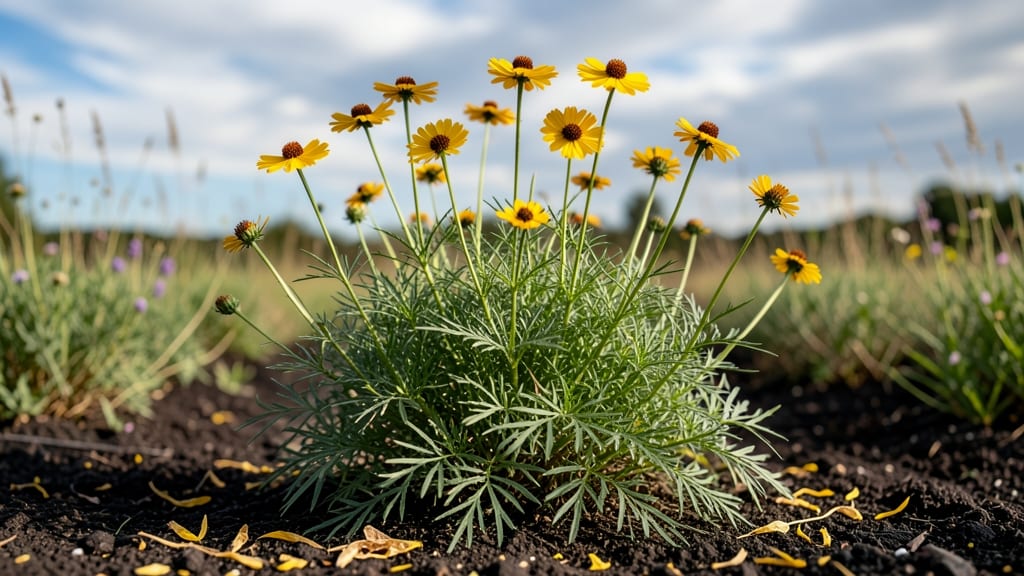
Yellow flowering perennial plants like Black-Eyed Susan, Daylily, and Coreopsis thrive in cold climates, offering vibrant color from early summer through fall with minimal care. Their hardy nature makes them ideal for low-maintenance gardens and pollinator-friendly landscapes.
These sun-loving perennials pack a punch with their cheerful blooms while demanding less attention than annuals. 🌻 Their secret weapon? Deep root systems that tap into moisture and nutrients even when surface soil freezes, plus some varieties like Daylily can actually survive temperatures down to -20°F with proper mulching.
I've seen Coreopsis return year after year with barely any intervention—just a quick trim after flowering and they bounce back stronger. The real magic happens when you combine them with pollinator magnets like Coneflower, creating a low-maintenance ecosystem that thrives through multiple growing seasons.
For best results, plant them in well-draining soil with at least 6 hours of sunlight daily. Most yellow perennials appreciate a light feeding in early spring, but avoid heavy fertilizers that can reduce blooming.
I've found that a 2-3 inch layer of mulch in fall protects roots from temperature swings while keeping soil moisture consistent. The key is balancing their hardiness with smart care—these plants want to work for you, not the other way around.
💡 In This Article
- Why These Perennials Survive Cold Seasons
- Planting and Maintenance Tips for Long-Lasting Yellow Blooms
Why these perennials survive cold seasons
The secret behind these yellow perennials' cold resilience lies in their deep taproot systems, which can extend 3-5 feet underground. This allows them to access moisture and nutrients even when surface soil freezes solid.
For example, Black-Eyed Susan (Rudbeckia) develops a robust root structure that stores energy for regrowth, while Daylily (Hemerocallis) produces rhizomes that act like underground food reserves, capable of surviving -20°F with proper protection. 🌱
Another key adaptation is their ability to enter dormancy through a process called "vernalization," where exposure to cold temperatures actually triggers flowering. Unlike annuals that complete their life cycle in one season, these perennials use winter as a reset button.
Coreopsis, for instance, can tolerate 10-15°F chills by slowing metabolic processes to conserve energy, while Hellebore (Lenten Rose) often blooms in late winter because its growth cycle isn't disrupted by cold.
Comparing them to tender perennials like Geraniums or Impatiens shows the stark difference. Annuals and tropical perennials lack these deep root systems and must be replanted yearly, while cold-hardy yellow perennials develop a woody base called a "crown" that acts as a shock absorber against temperature swings.
This crown can regenerate new growth from just a few inches underground, even after severe frosts.
What makes them particularly impressive is their frost tolerance mechanism. Many varieties contain natural antifreeze proteins that prevent ice crystal formation in their cells.
For example, Daylily's cells produce a glycoprotein that lowers the freezing point of water within their tissues by 5-10°F, similar to how salt melts ice on roads. This cellular protection allows them to remain viable through winter's harshest periods.
Their leaf structure also plays a role. Many cold-resistant yellow perennials develop thick, waxy leaves that reduce water loss and insulate the plant.
The deep yellow pigment in flowers like Rudbeckia contains carotenoids that act as natural sunscreens, protecting delicate tissues from winter sun damage while still allowing light penetration for photosynthesis when conditions permit.
Perhaps most fascinating is how these plants time their growth cycles. Many yellow perennials begin root development in early spring while still dormant above ground, creating a buffer against late frosts.
This "two-phase" growth pattern explains why they often outperform annuals in colder regions, continuing to bloom even when summer heat arrives. 🌿