
Orchid Care
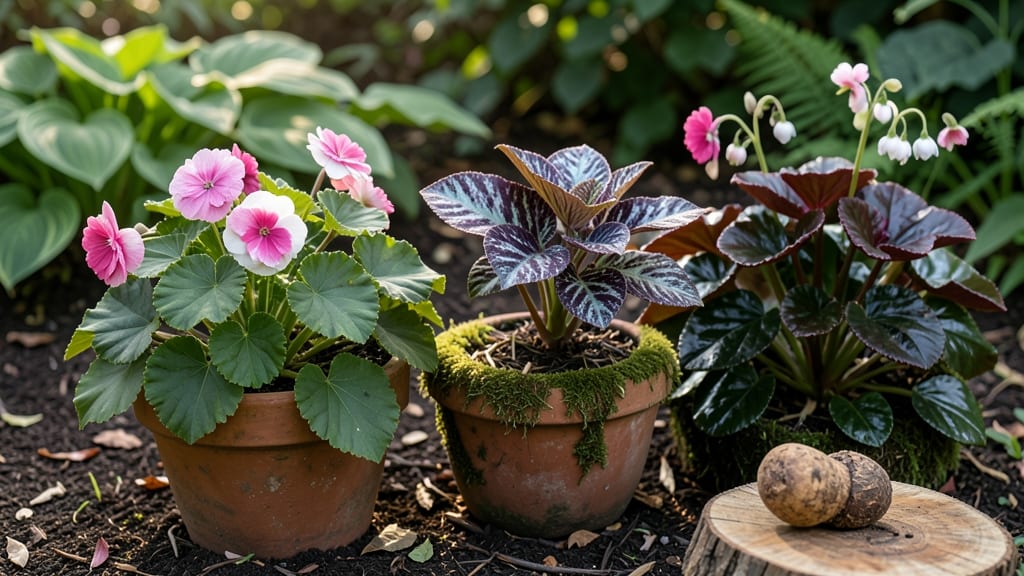
Whether begonias are annuals or perennials depends on your climate: they thrive as perennials in frost-free zones but act as annuals in cold regions, where freezing temperatures destroy their delicate tubers or foliage. With proper care, most varieties can regrow from roots after winter dormancy.
This distinction comes down to biology and your local winter conditions. 🌱 In warm climates (USDA zones 10-12), begonias naturally overwinter in the ground, sending up new growth from their tuberous roots each spring.
But in colder zones (7 and below), those same tubers freeze solid, killing the plant above ground—making them appear annual. The good news? Many gardeners successfully overwinter begonias indoors by digging up tubers in fall and replanting them in spring, effectively turning them into multi-year plants.
What sets begonias apart is their adaptability. Tuberous varieties (like Begonia tuberhybrida) store energy underground, while fibrous-rooted types rely on their crowns to survive.
The key is knowing your specific variety's hardiness—some, like Begonia semperflorens, rarely survive frost at all, while others can tolerate brief cold snaps with protection.
💡 In This Article
- How Begonia Growth Habits Differ by Climate Zone
- Winter Care Tips to Extend Begonia Lifespan
How Begonia growth habits differ by climate zone
Begonias thrive as perennials in frost-free zones because their survival strategy revolves around specialized underground storage organs. Tuberous begonias, like the popular Begonia tuberhybrida, develop thickened roots that store starches and nutrients during dormancy—similar to potatoes.
These tubers can survive soil temperatures down to 40°F before cellular damage occurs, allowing regrowth when warmth returns. In contrast, fibrous-rooted varieties (such as Begonia semperflorens) rely on crowns that sprout new growth from their base, but these are far less cold-hardy.
The critical threshold for begonia survival is 28°F, where ice crystals form inside plant cells, rupturing membranes and causing irreversible damage. In USDA zones 10-12 (average winter lows above 30°F), begonias naturally overwinter in the ground, emerging each spring from their protected storage structures.
But in zones 7 and colder, even brief frost triggers dormancy—leaving gardeners with what appears to be annual behavior. 🌡️ The transition between these zones explains why some gardeners in marginal areas (like zone 8) can successfully overwinter begonias with mulch, while others in zone 6 must dig up tubers entirely.
What's fascinating is how begonias "know" when to enter dormancy. Short daylight hours (10-12 hours) and dropping temperatures trigger physiological changes: chlorophyll breaks down in leaves (causing that familiar yellowing), and nutrients migrate to storage organs.
This process mirrors deciduous trees but occurs at warmer temperatures—begonias can't handle freezing soil moisture, which is why even 32°F ground temps become lethal. The result? A plant that appears dead above ground but may still harbor viable roots below.
Varietal differences create another layer of complexity. Rex begonias (Begonia rex-cultorum), prized for their velvety foliage, often have fibrous roots that rot in cold, wet soil—a key reason they're rarely grown as perennials outside warm zones.
Meanwhile, Begonia boliviensis (a cold-tolerant species) can survive brief exposures to 25°F thanks to natural antifreeze proteins in its cells. This biological diversity means gardeners must match varieties to their specific microclimates.
Understanding these mechanisms helps explain why begonias flourish as perennials in Florida but must be treated as annuals in New England. The same plant biology operates in both cases—it's the environmental trigger (freezing temperatures) that shifts the growing strategy.
For cold-zone gardeners, this knowledge becomes the foundation for successful overwintering techniques, where protecting those delicate storage organs becomes the difference between a one-year plant and a multi-season treasure. 🌱
Consider this: a single tuberous begonia left undisturbed in zone 11 might produce flowers for 10+ years, while an identical plant in zone 6 could be replanted annually from saved tubers. The same genetics, different environmental contexts—proof that begonias are biological chameleons adapting to their surroundings.