
Vegetables
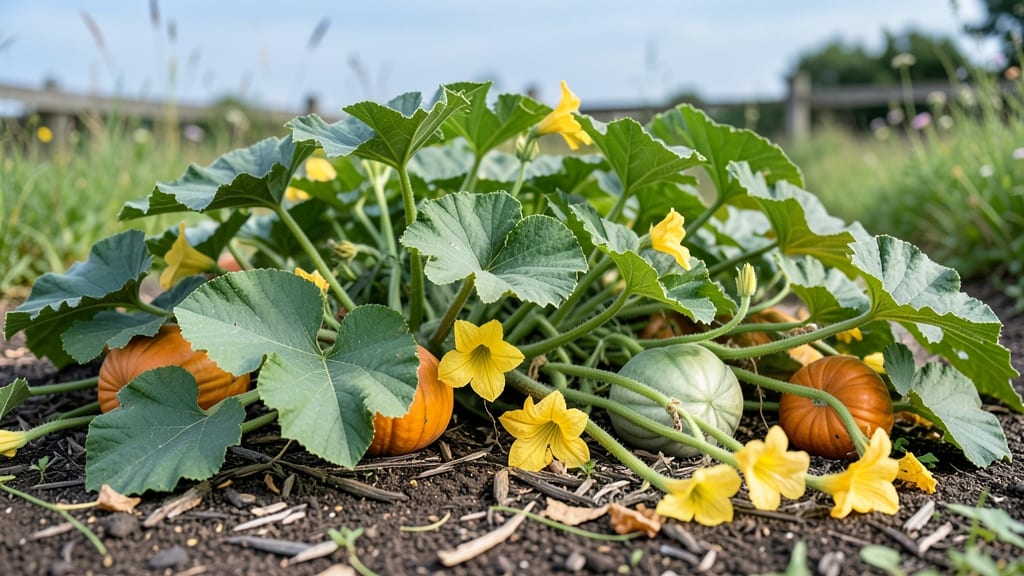
Pumpkins are not perennial plants—they complete their life cycle in one growing season, though their roots may survive underground. While most gardeners replant seeds annually, certain varieties can regrow from root crowns with proper winter care and ideal conditions.
Pumpkins belong to the annual plant category, meaning they focus their energy on producing fruit rather than surviving multiple growing seasons. 🌱 This is why their vines die back after harvest—nature's way of redirecting resources to seed production.
However, some gardeners have successfully encouraged regrowth by protecting the root crown over winter with thick mulch or frost blankets, creating a semi-perennial growing experience.
What makes this interesting is how pumpkin roots store energy—similar to how sweet potatoes survive underground. With the right conditions, these stored reserves can fuel new vine growth in spring.
I've seen this work best with smaller varieties like 'Jack Be Little' or 'Sugar Pie,' which are naturally hardier than giant pumpkins. The key is balancing winter protection with spring warmth to coax those roots back to life.
💡 In This Article
- Why Pumpkin Vines Die Back Annually
- Tips to Extend Pumpkin Growth Beyond One Season
Why pumpkin vines die back annually
Pumpkins are classified as annual plants, meaning their life cycle spans just one growing season.
This is because their primary biological goal is to produce seeds for the next generation—not to survive multiple winters. 🌱 When frost arrives, the vines senesce (age and die back) as a survival mechanism, redirecting all remaining energy into the roots and seeds.
This process is triggered by shorter daylight hours and dropping temperatures, which signal the plant that winter is coming.
The root crown—the thickened base where roots and stems meet—acts as an energy reserve, storing starches and sugars that could theoretically fuel regrowth. However, most pumpkin varieties prioritize seed production over root survival, especially in colder climates.
For example, giant pumpkins like 'Atlantic Giant' focus nearly all their resources on vine growth and fruit development, leaving little energy for winter storage. Their roots may persist, but the plant won't regrow without intervention.
Frost sensitivity plays a critical role. Even hardy pumpkin varieties can't withstand prolonged freezing. The cell walls in pumpkin vines contain high water content, which freezes and ruptures at temperatures below 28°F.
This is why you'll often see vines blacken and collapse after the first hard frost—it's not just wilting, but actual cell death. The root crown, being closer to the ground, has slightly better insulation from soil, but it still needs protection to survive.
What's fascinating is how this compares to true perennials like asparagus or rhubarb. Those plants develop thick, woody root systems that can regenerate year after year because their energy storage is designed for winter survival.
Pumpkins, however, are more like sweet potatoes—storing energy temporarily but not built for long-term regrowth without human help. Their annual cycle is hardwired into their genetics as a strategy for rapid reproduction in warm climates.
Here's a key distinction: while pumpkin vines die back, the root crown itself can remain dormant for months. This is why some gardeners report seeing new shoots emerge in spring from what appeared to be dead plants.
The root crown has been quietly storing carbohydrates all winter, waiting for warmer temperatures to trigger regrowth. This natural process is what makes semi-perennial growing possible with the right conditions.
Consider this: a pumpkin plant might invest 70-80% of its energy into vine and fruit production during the growing season, leaving only 20-30% for root storage. This energy allocation explains why most pumpkins won't regrow without assistance—they simply don't have enough reserves left to fuel new growth.
The few varieties that do regrow often have smaller fruit or vines, as they're diverting energy away from their primary reproductive goal.