
Planting
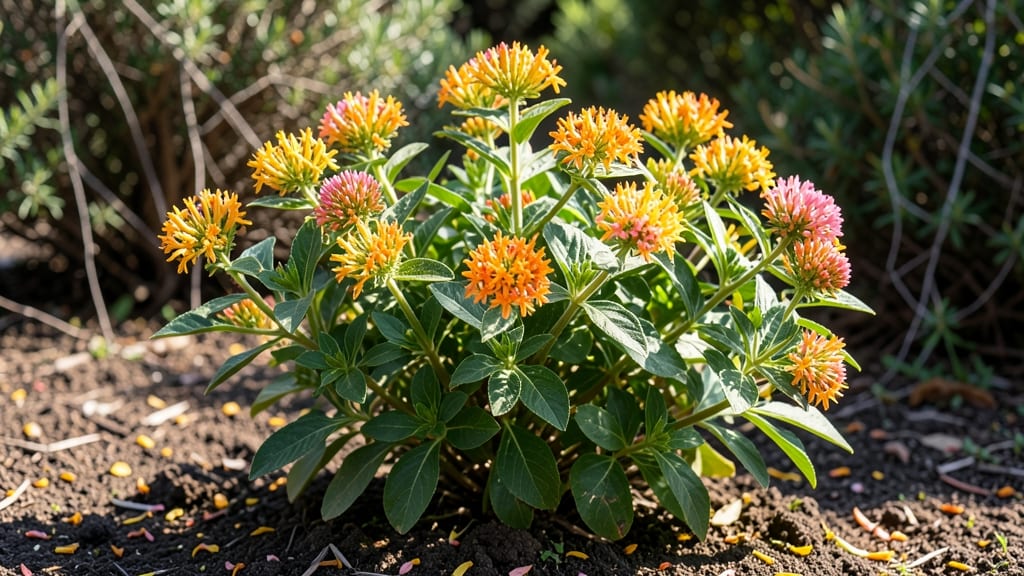
Lantana is not a true perennial in Zone 6, as it dies back to the ground each winter but often regrows from the roots in spring. Its hardiness depends on winter severity and mulch protection, though some varieties may survive with minimal damage.
Lantana's behavior in Zone 6 comes down to its tropical roots—this plant thrives in warmth but struggles when temperatures dip below 20°F. 🌱 While it may look dead in winter, many varieties resprout from their roots once spring arrives, making them act like perennials even if they're not classified as such.
The key to success is protecting the root zone with thick mulch or growing in containers that can be moved indoors during harsh winters.
What sets lantana apart is its resilience: even if the tops die back, the roots often survive to bounce back stronger in spring. This makes it a popular choice for gardeners who want color but aren't tied to traditional perennials.
Just remember—cold-hardy varieties like 'New Gold' tend to perform better than tropical types in Zone 6 climates.
💡 In This Article
- Why Lantana Dies Back in Zone 6 Winters
- How to Extend Lantana’s Lifespan in Zone 6 Gardens
Why lantana dies back in Zone 6 winters
Lantana's struggle in Zone 6 winters stems from its tropical origins—it evolved in warm climates where temperatures rarely drop below 50°F. When nighttime lows hit 20°F or colder, the plant's cells begin to freeze, causing irreversible damage to leaves and stems.
Unlike true perennials like lavender (which survives -15°F), lantana lacks the internal antifreeze compounds that protect hardy plants from ice crystal formation in their tissues.
The damage happens in stages: first, the leaves turn brown and crisp, then stems blacken and collapse. What most gardeners don't realize is that the plant's root system often remains viable, even after the tops appear completely dead.
This is why lantana can resprout so vigorously in spring—its roots contain stored energy reserves that can fuel regrowth when temperatures rise above 55°F. 🌱 The key threshold is 28°F: below this, root damage becomes more likely, while above it, the plant can often recover.
Botanically, lantana belongs to the verbena family and shares cold sensitivity with other tropical plants like bougainvillea or hibiscus. What makes it unique is its ability to regenerate from the crown (the base where stems meet roots), a trait it shares with some perennials but lacks their true winter hardiness.
For comparison, salvia (a Zone 6 perennial) can withstand -10°F because its cells produce protective proteins that prevent ice crystal formation—something lantana simply can't do.
This dieback behavior isn't a sign of failure—it's actually a survival mechanism. In its native habitat, lantana would experience seasonal dry periods rather than cold snaps, so it's adapted to shed above-ground growth during stress. The roots remain dormant but alive, ready to push out new shoots when conditions improve.
This is why you'll often see lantana gardens in Zone 6 looking completely dead in February only to burst with color by May.
What separates successful lantana growth in Zone 6 from failure comes down to these critical factors: soil temperature (roots need to stay above 32°F), snow cover (which provides insulation), and how quickly spring arrives.
In areas with late frosts, new growth can be damaged by unexpected cold snaps, setting back the plant's recovery timeline by weeks. This is why gardeners in colder parts of Zone 6 often treat lantana more like an annual, even though it technically behaves as a perennial.
The science behind this involves something called "cold acclimation"—the process where plants prepare for winter by increasing sugars and antifreeze proteins in their cells. Lantana simply can't perform this acclimation because it evolved without winter seasons.
When you see lantana leaves turning black in winter, you're witnessing cellular dehydration and membrane rupture at the microscopic level—something that would be prevented in a true Zone 6 perennial like catmint or Russian sage.