
Flowers
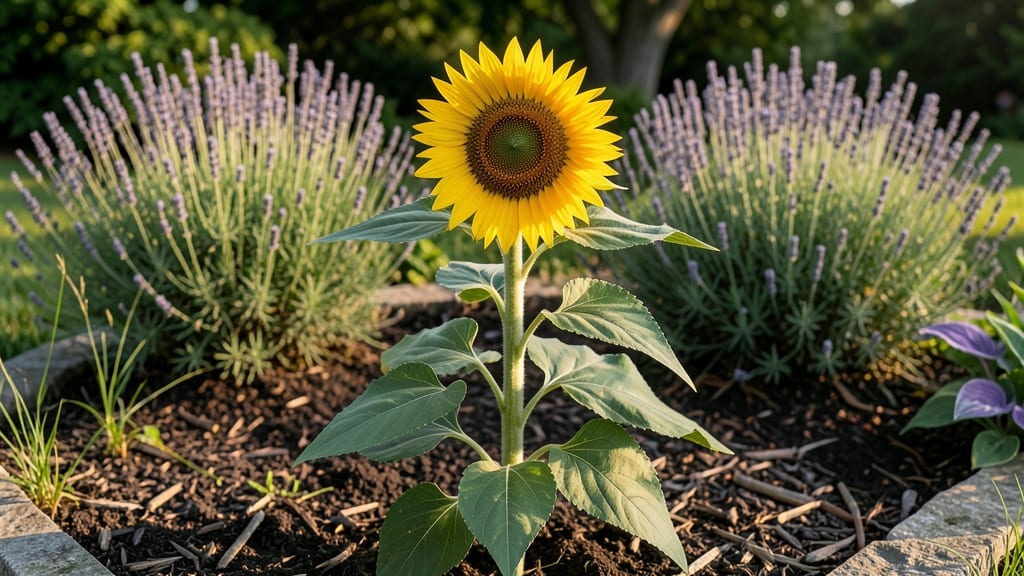
The opposite of a perennial plant includes annuals, which complete their lifecycle in one growing season, and biennials, which take two years to flower, seed, and die, unlike perennials that regrow yearly from the same root system.
Annuals and biennials differ from perennials in their growth patterns and energy focus.
Annuals like marigolds thrive quickly, dedicating all energy to blooming and seeding before dying, while biennials like foxgloves store energy in their first year to produce flowers and seeds in their second. 🌱 This makes them ideal for seasonal color bursts, but unlike perennials, they won't return year after year.
Many gardeners choose annuals for vibrant summer displays, while biennials offer delayed but dramatic blooms.
Understanding these differences helps you plan your garden layout and care routines. For example, annuals need frequent watering and fertilization to support rapid growth, whereas biennials benefit from cooler first-year conditions to build strong root systems. This distinction also affects how you handle garden rotations and soil health over time.
💡 In This Article
- How Annual and Biennial Plants Differ from Perennials
- Best Annual and Biennial Plants for Gardens by Climate and Purpose
How annual and biennial plants differ from perennials
The core difference between annuals, biennials, and perennials lies in their root systems and energy allocation. Annuals like zinnias develop shallow, fibrous roots that focus entirely on rapid above-ground growth.
Their entire lifecycle—from seed to flower to seed production—happens in just 60-90 days, with no energy stored for future years. This is because their roots lack the specialized storage tissues (like rhizomes or tubers) that perennials use to survive winter. 🌱
Biennials, such as foxgloves, take a two-year approach: their first year is all about building a strong taproot system (often 1-2 feet deep) to store carbohydrates and nutrients. This stored energy fuels their dramatic second-year flowering and seed production.
Unlike perennials with persistent root crowns, biennials allocate nearly 100% of their energy to this two-year cycle, leaving nothing to regenerate after seeding. Perennials, in contrast, maintain a dormant but living root system year-round.
Dormancy plays a critical role too. Annuals have no true dormancy—they simply die after seeding. Biennials enter a modified dormancy after their first growing season, but their roots remain metabolically active to support next year's growth.
Perennials, however, have specialized dormant buds that can survive -20°F to -30°F temperatures, allowing them to regrow each spring. This biological difference explains why annuals and biennials can't persist like perennials.
Another key factor is reproductive strategy. Annuals and biennials prioritize seed production over vegetative growth, while perennials balance both.
For example, a marigold annual will produce thousands of seeds in its single season, whereas a peony perennial might produce only a few dozen flowers but will return year after year. This trade-off makes annuals and biennials ideal for short-term color displays but requires replanting annually or biennially.
Consider the energy budget: annuals spend 90% of their resources on above-ground growth and reproduction, leaving only 10% for roots. Biennials split their energy 50/50 between root development and flowering, while perennials allocate 70% to root systems and only 30% to flowering each year.
This explains why perennials can live for decades while annuals complete their lifecycle in months. 🌿
Climate also influences these differences. Annuals thrive in warm climates where they can complete their lifecycle before winter, while biennials often grow in temperate zones with distinct seasons. Perennials dominate colder regions where their hardy root systems can survive harsh winters.
This ecological adaptation further highlights why annuals and biennials can't persist like perennials in most climates.