
Flowers
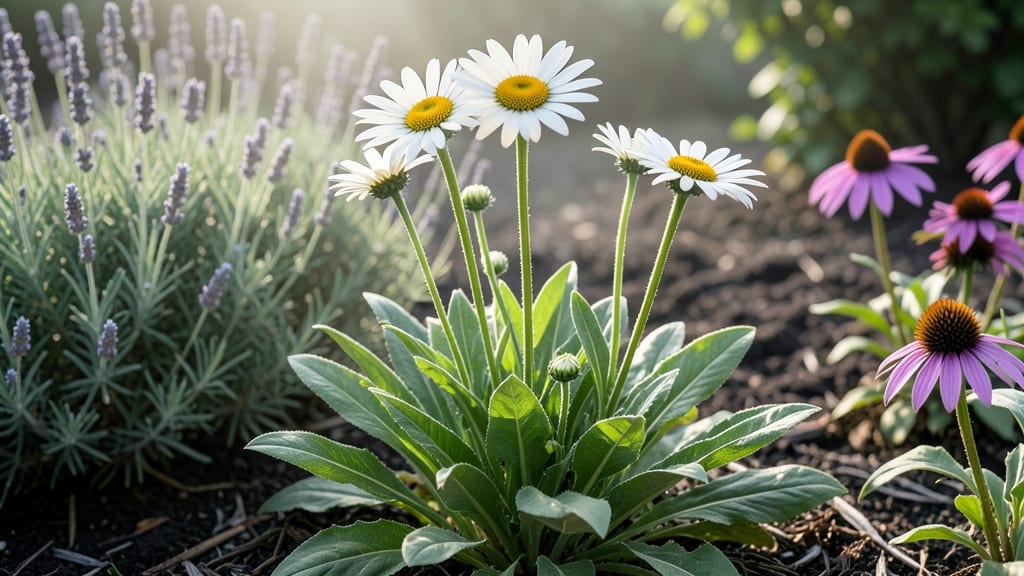
Daisies are perennials in most climates, returning each year with new blooms from the same root system, though some varieties behave as annuals in colder regions where frost kills their crowns.
Most daisies thrive as perennials because their deep root systems store energy underground, allowing them to regrow each spring. 🌱 The key difference between perennial and annual daisies comes down to hardiness—while varieties like Shasta daisies survive winters in zones 5-9, others like Gerbera daisies act as annuals in colder climates.
I've found that mulching around the base in late fall adds an extra layer of protection against harsh winters, helping those borderline varieties push through the soil come spring.
What sets perennial daisies apart is their ability to self-seed and spread over time, creating naturalized meadows. This makes them low-maintenance once established, though they do benefit from occasional deadheading to encourage continuous blooming.
For gardeners in marginal zones, choosing cold-hardy varieties like the Oxeye Daisy (Leucanthemum vulgare) can mean the difference between a seasonal splash of color and a year-round presence.
💡 In This Article
- Daisy Lifespan: How Perennial Roots Sustain Growth
- Choosing Perennial Daisies for Your Climate
Daisy lifespan: how perennial roots sustain growth
The secret to daisies returning year after year lies in their root systems. Most perennial daisies develop deep fibrous roots that extend 12-18 inches below the surface, creating an extensive network that stores carbohydrates and nutrients.
This underground energy reserve acts like a natural battery, allowing the plant to push through soil as soon as temperatures rise in spring.
For example, Shasta daisies (Leucanthemum × superbum) grow a thick, woody crown that survives winters in USDA zones 5-9 by entering dormancy—similar to how peonies overwinter but with less dramatic aboveground dieback.
Cold hardiness becomes the critical factor in daisy survival.
The USDA's zone 3-10 classification system determines which varieties thrive where: Zone 3-5 daisies like the Oxeye Daisy have evolved to withstand -30°F to -40°F temperatures by producing antifreeze-like proteins in their roots, while Zone 8-10 varieties such as the Gerbera Daisy struggle in freezes below 20°F.
The root system's ability to insulate the crown explains why some daisies die back to soil level—they're not dead, just conserving energy until warmth returns. 🌱
What most gardeners don't realize is how soil composition affects this process. Sandy soils drain quickly, which can expose roots to temperature fluctuations, while loamy soils provide better insulation.
I've seen daisies in zone 6 gardens with 3 inches of mulch (straw or shredded leaves) survive winters that would otherwise kill unprotected plants.
The mulch acts like a blanket, maintaining soil temperatures 5-10°F warmer than ambient air, which is crucial during freeze-thaw cycles that can damage emerging shoots in spring.
The overwintering strategy varies by species. Some daisies like the Black-eyed Susan Daisy (Rudbeckia hirta) develop a taproot system that penetrates 2-3 feet deep, accessing moisture and stability, while others like the Painted Daisy (Chrysanthemum × superbum) rely on shallow, spreading roots that form dense mats.
This root diversity explains why some daisies spread aggressively (like the Oxeye Daisy) while others remain more contained. The key is matching the daisy's natural growth habit to your garden's conditions.
Here's what happens botanically during dormancy: The plant's meristem cells (growth centers) remain protected in the crown, while the aboveground stems die back. These meristems contain 10-15% starch reserves that fuel regrowth.
For instance, a 3-year-old Shasta Daisy might store enough energy in its roots to produce 50-100 flowers in its first spring flush—without needing any fertilizer until late summer. This self-sufficiency is why perennial daisies are so resilient once established.
One common misconception is that all daisies die back completely. While some varieties like the Gerbera Daisy (actually a gerbera, not a true daisy) behave as annuals in cold climates, true perennial daisies often leave behind 1-2 inch tall stubs or even a rosette of leaves.
These remnants are your visual cue that the plant is alive and preparing to regrow. In my zone 5 garden, I've seen Oxeye Daisies emerge through 6 inches of snow in early April, proving how their root systems outlast harsh conditions. 💫