
Flowers
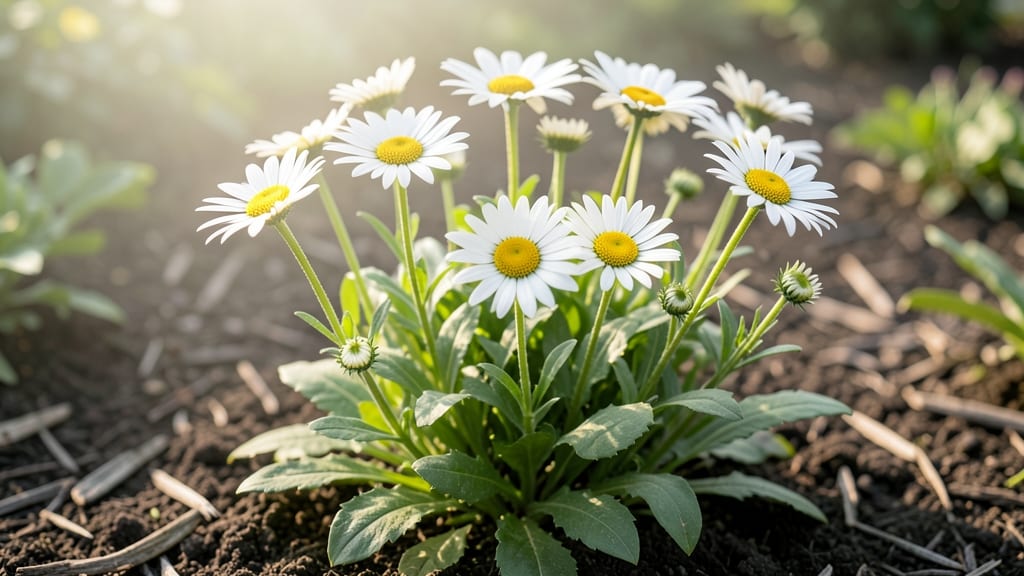
Daisies are perennial flowers in many varieties, thriving for multiple years in hardiness zones 3-10, though some act as annuals in colder climates or when grown from seed. Their lifespan depends on species, care, and winter conditions.
Most daisies return year after year because they store energy in their roots during dormancy, allowing them to regrow once temperatures rise. 🌼 However, some varieties—like Gerbera daisies—behave as annuals in regions with harsh winters, dying back completely each year.
The key difference lies in their root systems: true perennials develop deep, hardy roots that survive frost, while others rely on seeds for regeneration. This explains why your garden may look empty in winter only to burst back with color in spring!
For gardeners in colder zones (like 3-5), choosing cold-hardy species such as Shasta daisies or Oxeye daisies ensures perennial performance. Even in these areas, proper winter mulching and well-draining soil can extend their lifespan by protecting roots from freeze-thaw cycles.
I’ve seen Gerbera daisies treated as annuals in Zone 5 gardens thrive for multiple seasons when planted in containers and moved indoors during winter!
💡 In This Article
- Daisy Types: Perennial vs Annual Varieties Explained
- Extending Daisy Longevity: Planting and Care Tips
Daisy types: perennial vs annual varieties explained
The daisy family (Asteraceae) contains both true perennials and varieties that behave like annuals, depending on their species and growing conditions. Shasta daisies and Oxeye daisies are classic perennials with deep root systems that store carbohydrates, allowing them to regrow each spring even after winter dieback.
These roots can survive temperatures down to -30°F, making them ideal for hardiness zones 3-9. In contrast, Gerbera daisies typically act as annuals in colder climates because their fibrous roots lack the same cold resistance, often dying back completely in frost.
What sets true perennials apart is their ability to enter dormancy—where metabolic activity slows dramatically while essential nutrients remain stored in roots and crowns.
For example, English daisies (Bellis perennis) form dense rosettes of leaves that persist through mild winters, while African daisies (Dimorphotheca) rely on seeds to regenerate annually in regions with freezing temperatures.
The key difference lies in their root structure: perennial daisies develop taproots or rhizomes, while annuals often have shallow, fibrous systems that decompose in cold soil.
Some daisies exhibit biennial behavior, completing their life cycle over two years. Swiss chard daisies (Celtis australis hybrids) may produce minimal foliage in their first year but flower profusely the following spring before dying.
This two-year pattern confuses many gardeners into treating them as perennials, but their lifespan is still limited to 18-24 months without reseeding. The confusion arises because biennials store energy in their first year, similar to perennials, but lack the long-term regenerative capacity of true perennials.
Climate plays a surprising role in determining whether a daisy acts as a perennial or annual. In Zone 10 (mild winters), even Gerbera daisies can overwinter successfully, proving their perennial nature in warmer conditions. The same species may behave differently in Zone 5 due to frost penetration.
This adaptability explains why gardeners in transitional zones often experiment with container growing—moving potted daisies indoors during winter can extend their lifespan by protecting roots from freeze-thaw cycles.
Visual cues can help identify perennial daisies: look for woody stems at the base or thickened crowns that persist through winter. Annual varieties typically emerge from seed each year with thin, herbaceous stems that don't survive frost.
For example, Painted daisies (Tanacetum coccineum) develop woody bases after 2-3 years, while African marigolds (Tagetes) remain annuals regardless of care.
Understanding these distinctions helps gardeners make informed choices. Perennial daisies require less replanting but need proper winter protection, while annuals offer seasonal color with lower long-term maintenance.
The trade-off? Annuals often produce bigger, showier blooms in their single growing season compared to perennial varieties that prioritize longevity over immediate spectacle.