I’ve always had a green thumb—literally. My childhood was spent sneaking extra seeds from my mom’s garden to plant in the dirt behind the garage, even when she told me not to. Now, I run this site because I believe gardening should be as much about joy as it is about growth. Whether you’re a seasoned pro or just starting with a windowsill herb, I’m here to share the tricks, quirks, and quiet victories of nurturing plants—and maybe a few lessons from my own overwatered fiascos along the way.
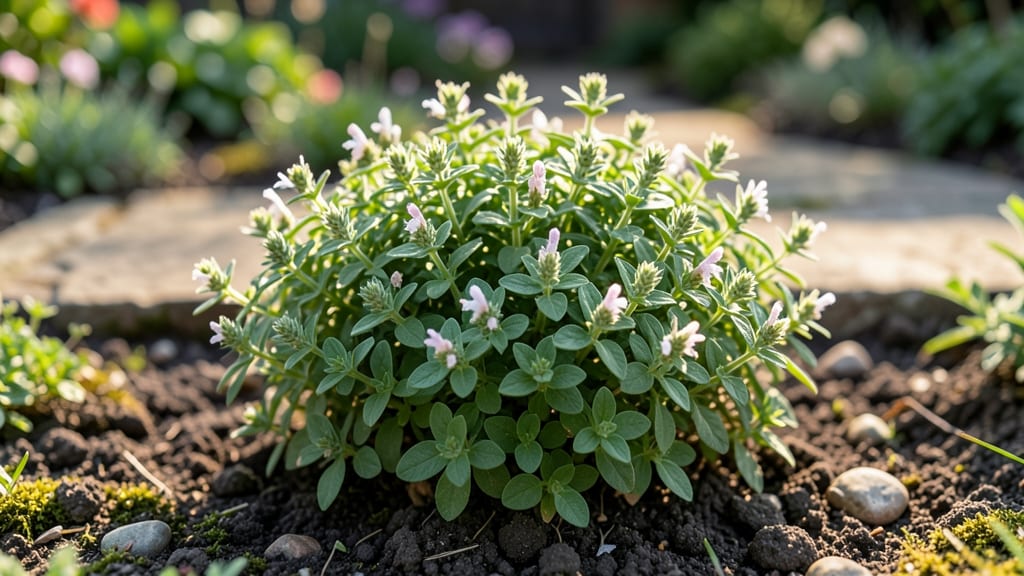
💥 Quick Answer Marjoram behaves as a perennial in U.S. Department of Agriculture hardiness zones 8 through 10, where its roots survive winter dormancy to regrow each spring. In colder regions, it’s typically treated as…
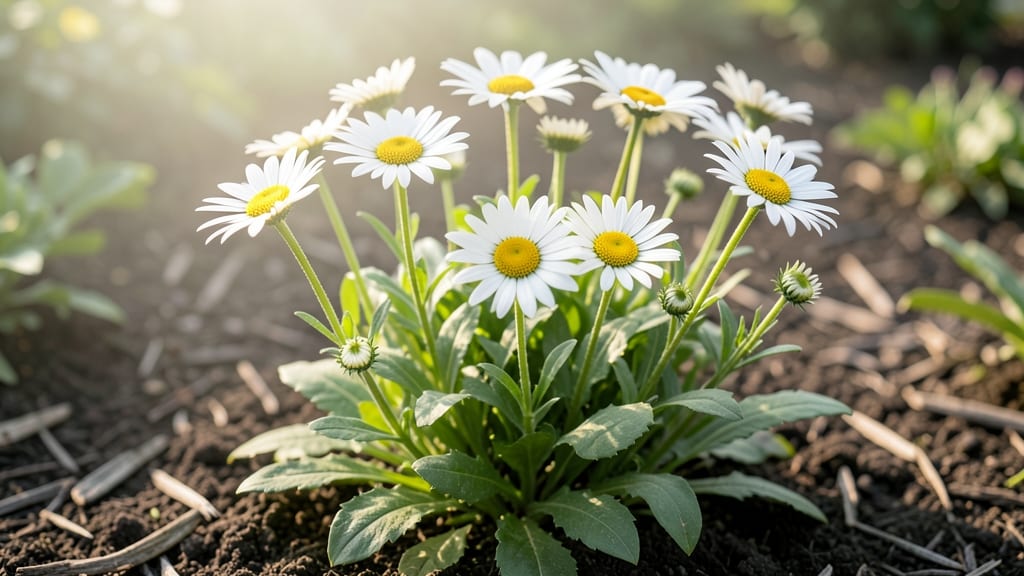
💥 Quick Answer Daisies are perennial flowers in many varieties, thriving for multiple years in hardiness zones 3-10, though some act as annuals in colder climates or when grown from seed. Their lifespan depends on…
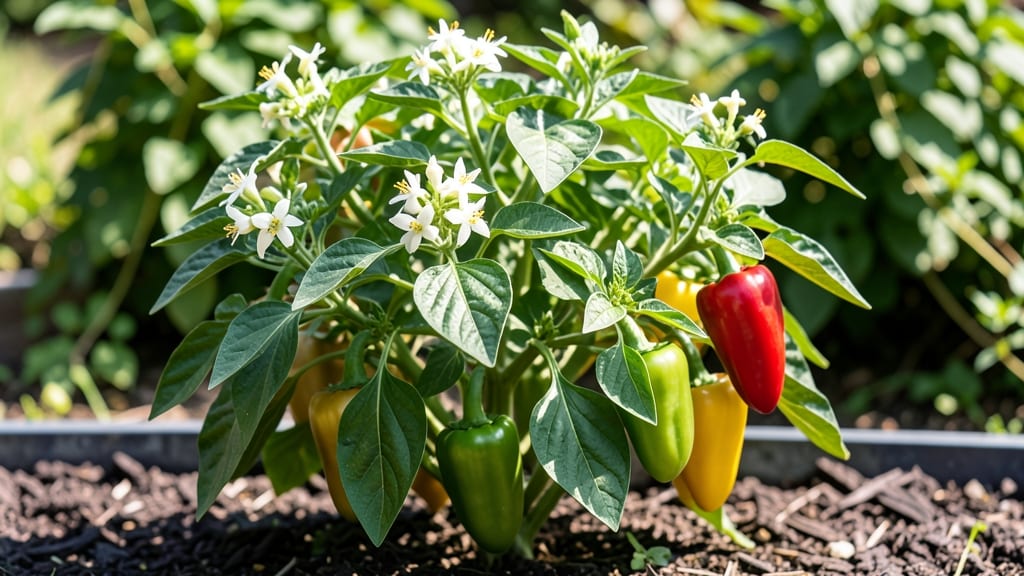
💥 Quick Answer Pepper plants aren't perennial in most climates, but they can survive multiple years in frost-free zones like USDA 10-12 when treated as tender perennials with proper care and protective mulching. Pepper…
💥 Quick Answer Perennials don't bloom every year—they go through a natural process called dieback, where above-ground growth fades but roots remain alive underground to regrow when conditions improve. Some varieties…
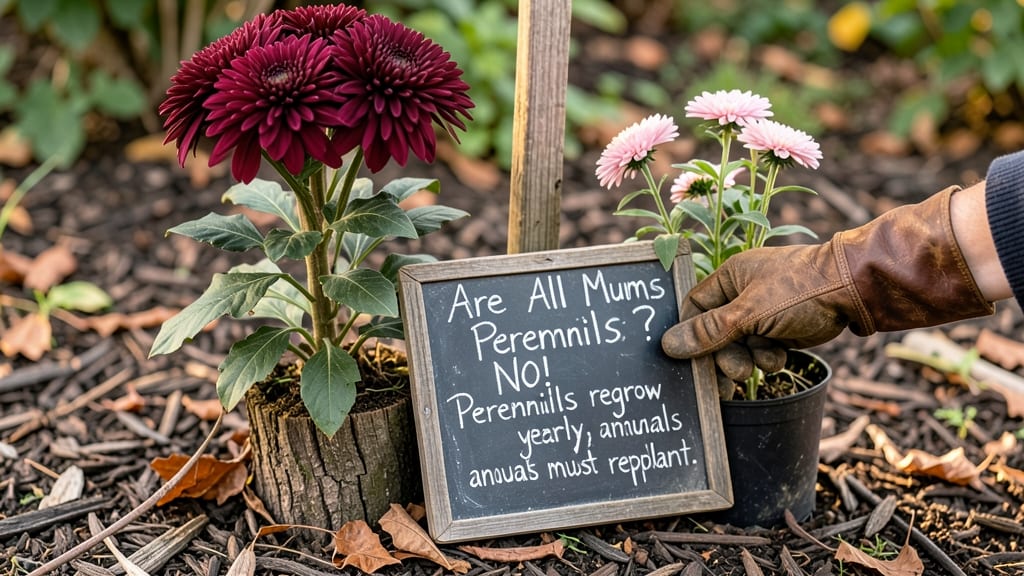
💥 Quick Answer Are all mums perennials? No—most garden mums ( Chrysanthemum × grandiflorum ) die back in winter but regrow from roots if hardy, while tender varieties (like Chrysanthemum morifolium ) act as annuals or…
💥 Quick Answer Angelonia plants are not true perennials in most climates but can act as short-lived perennials or self-seed prolifically in warm zones (USDA 9-11), surviving mild winters with proper protection…