I’ve always had a green thumb—literally. My childhood was spent sneaking extra seeds from my mom’s garden to plant in the dirt behind the garage, even when she told me not to. Now, I run this site because I believe gardening should be as much about joy as it is about growth. Whether you’re a seasoned pro or just starting with a windowsill herb, I’m here to share the tricks, quirks, and quiet victories of nurturing plants—and maybe a few lessons from my own overwatered fiascos along the way.
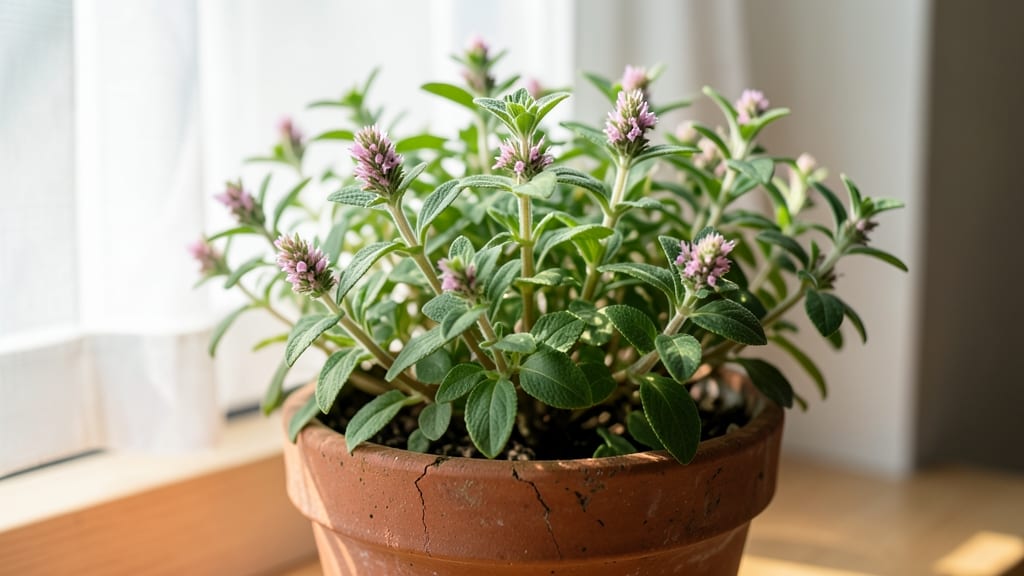
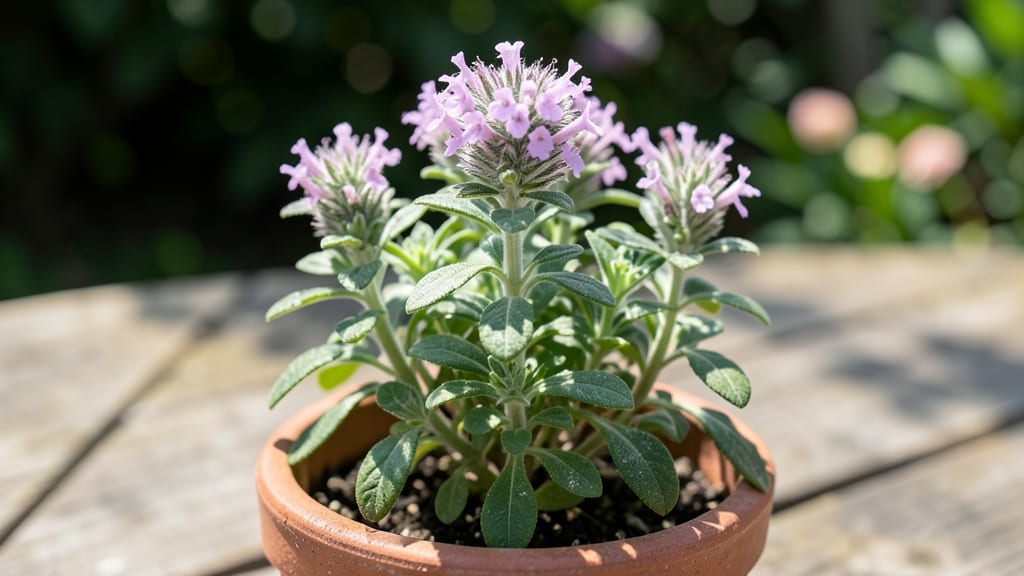
💥 Quick Answer Yes, oregano is a perennial plant that returns yearly in mild climates but often dies back to the ground in winter, regrowing from its hardy root system in spring. Cold-hardy varieties thrive in USDA…
💥 Quick Answer Yes, oregano is a perennial herb that regrows yearly from its deep root system in temperate zones, though harsh winters may require protection to prevent dieback. This hardy herb's secret lies in its…
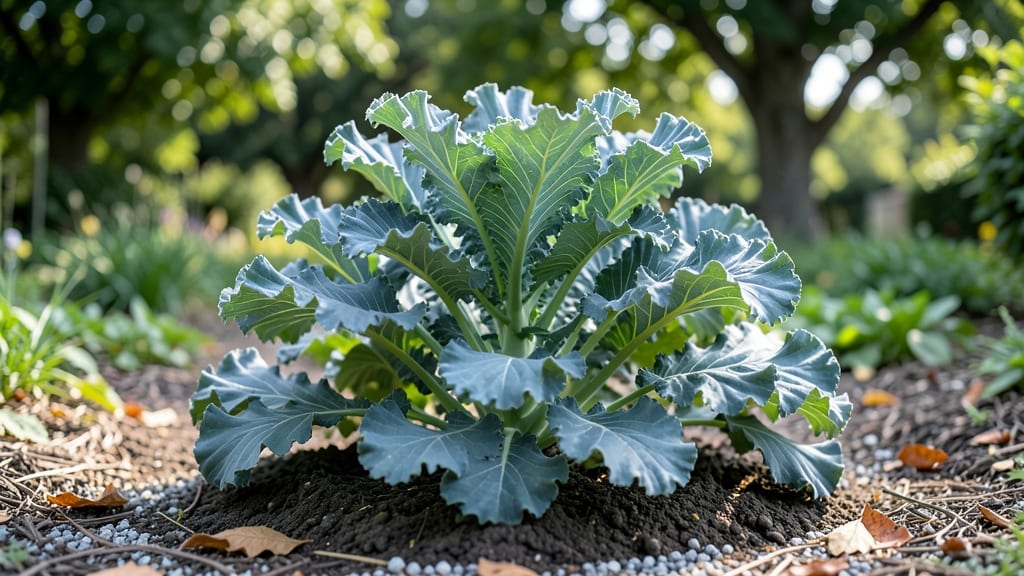
💥 Quick Answer Ornamental kale is not a true perennial—it thrives as a cold-hardy annual or biennial, surviving mild winters but typically dying back after frost or producing flowers and seeds in its second year. Hardy…
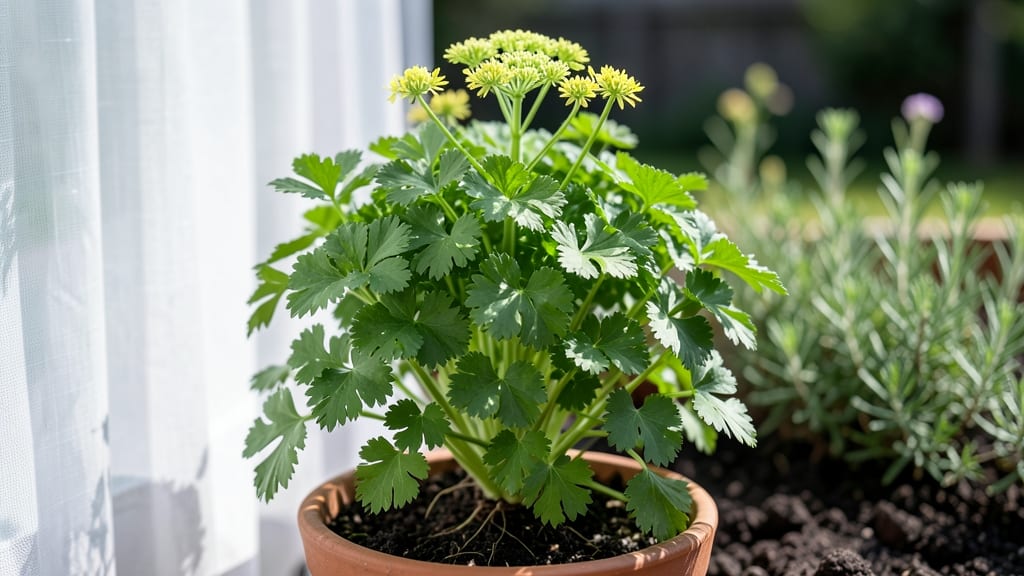
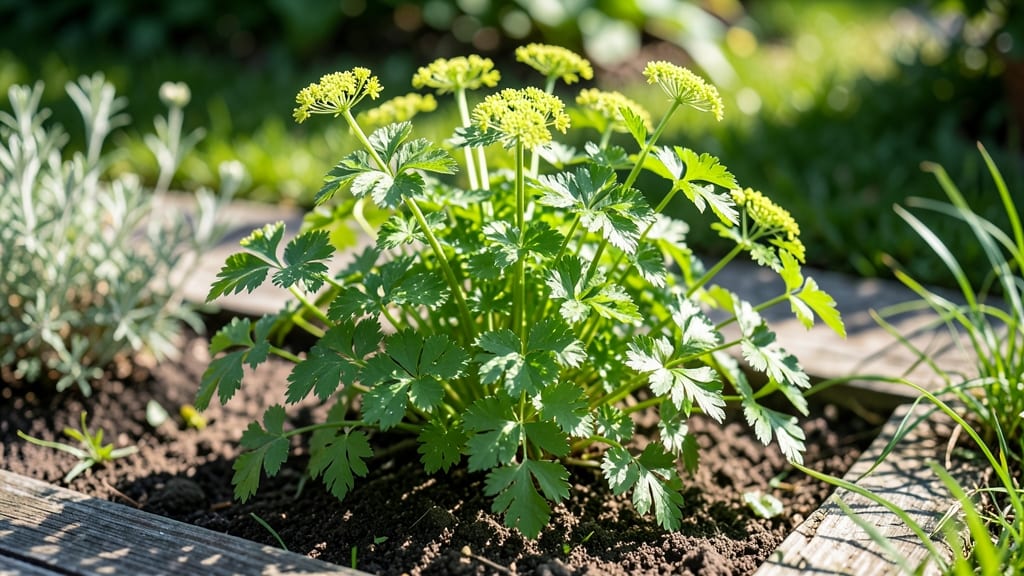
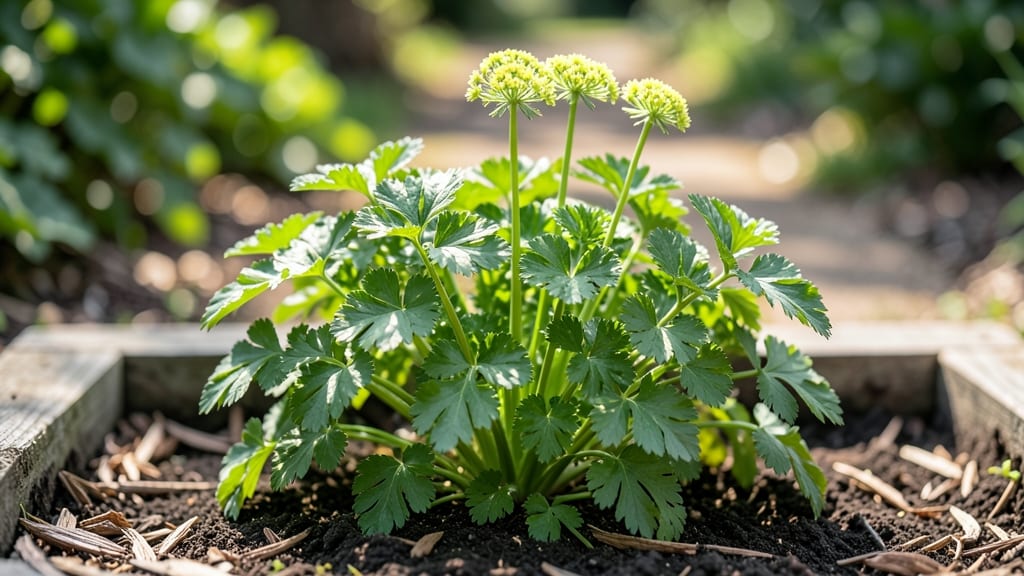
💥 Quick Answer Parsley is a perennial herb that dies back in cold climates but regrows from its root system in spring, confusing many gardeners into thinking it’s an annual. Its hardiness varies by variety and growing…
💥 Quick Answer Parsley isn't a true perennial plant—it's biennial, meaning it completes its life cycle in two years. However, in frost-free climates, it can act like a perennial by producing edible leaves for 1-2 years…
💥 Quick Answer Parsley is not a true perennial—it's a biennial herb that thrives for two years, though cold-hardy varieties in zones 3-10 can sometimes regrow from roots with proper winter care. Its second-year growth…
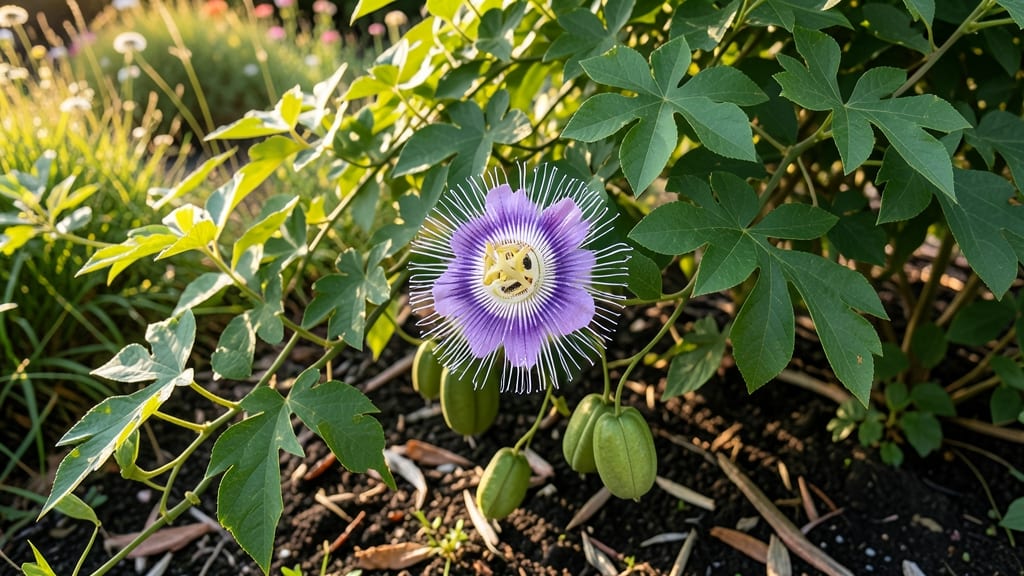
💥 Quick Answer Passion flower is a perennial vine that dies back to the ground in winter but regrows from its roots each spring, making it a hardy, long-lived plant for gardeners in suitable climates. Yes, passion…
💥 Quick Answer Perennial plants aren't active every year—they enter seasonal dormancy in winter, often looking dead (dieback) before spring regrowth from their roots or crowns. This natural cycle includes periods of…
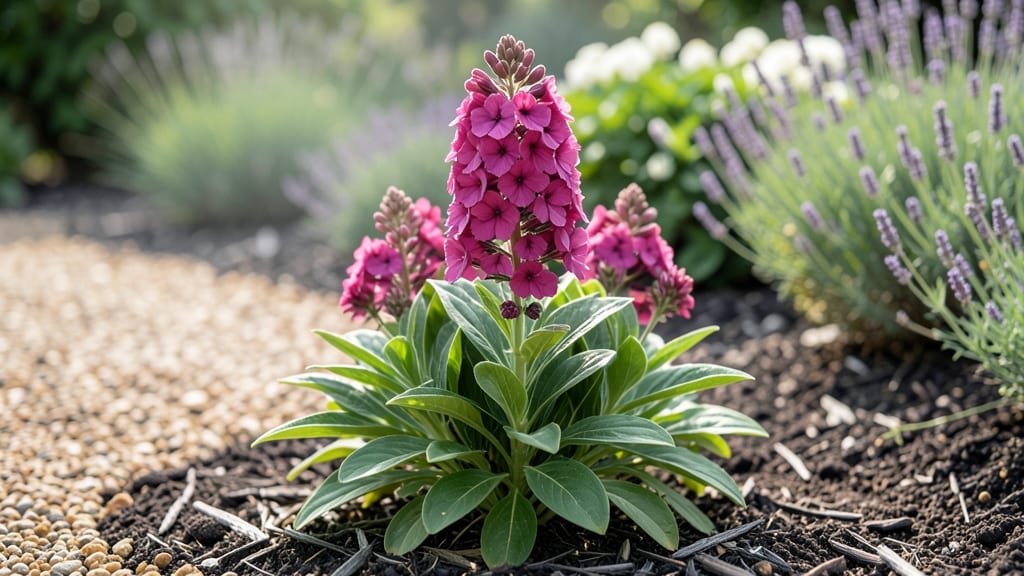
💥 Quick Answer Phlox is a perennial in most climates, thriving in USDA zones 3-9, though varieties like garden phlox die back to the ground annually while hardy types like creeping phlox return yearly with proper care…
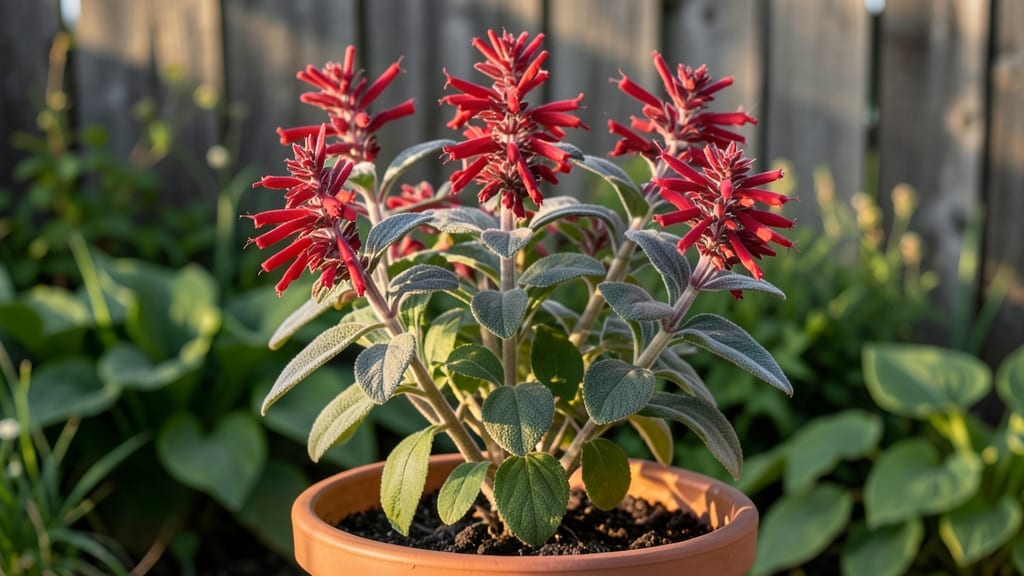
💥 Quick Answer Pineapple sage behaves as a perennial in USDA zones 8-10, where it often goes dormant in winter but regrows vigorously each spring. In colder zones like 7, it may require protection to survive the season…