I’ve always had a green thumb—literally. My childhood was spent sneaking extra seeds from my mom’s garden to plant in the dirt behind the garage, even when she told me not to. Now, I run this site because I believe gardening should be as much about joy as it is about growth. Whether you’re a seasoned pro or just starting with a windowsill herb, I’m here to share the tricks, quirks, and quiet victories of nurturing plants—and maybe a few lessons from my own overwatered fiascos along the way.
💥 Quick Answer Perennial plants do grow every year, but their growth cycle includes seasonal dieback—roots and rhizomes survive underground while foliage may wither in winter or dormancy periods before regrowing. This…
💥 Quick Answer Perennials do come back every year by default, though some may die back temporarily due to frost sensitivity, improper care, or environmental stress. Most survive winter through underground storage organs…
💥 Quick Answer Perennials do come back yearly, but their growth cycle includes seasonal dormancy—often appearing dead (dieback) in winter before regrowing from roots or crowns when conditions improve. This dieback is…
💥 Quick Answer Perennials do come back each year because their roots or underground stems survive winter, but their regrowth depends on your USDA cold hardiness zone and the plant's specific cold tolerance. Most…
💥 Quick Answer Perennials don't flower every year—they follow a natural cycle where above-ground growth dies back seasonally, while roots and crowns remain alive underground to regrow and bloom again in spring. Most…
💥 Quick Answer Perennials do grow back every year thanks to their energy reserves stored in roots, rhizomes, or tubers, which fuel new growth when conditions become favorable. Many appear to die back seasonally but…
💥 Quick Answer Perennials do grow back each year because their roots, crowns, or rhizomes survive winter dormancy, storing energy to regenerate foliage and flowers when conditions improve. Proper care ensures consistent…
💥 Quick Answer When you hear "annual," it means yearly—not perennial—because these plants live for just one growing season, from seed germination to seed production, before dying. Perennials, however, return each year…
💥 Quick Answer When we say a plant is perennial , it means it comes back every year—but only if its roots and underground structures survive seasonal dormancy. Many perennials go dormant in winter, then regrow from the…
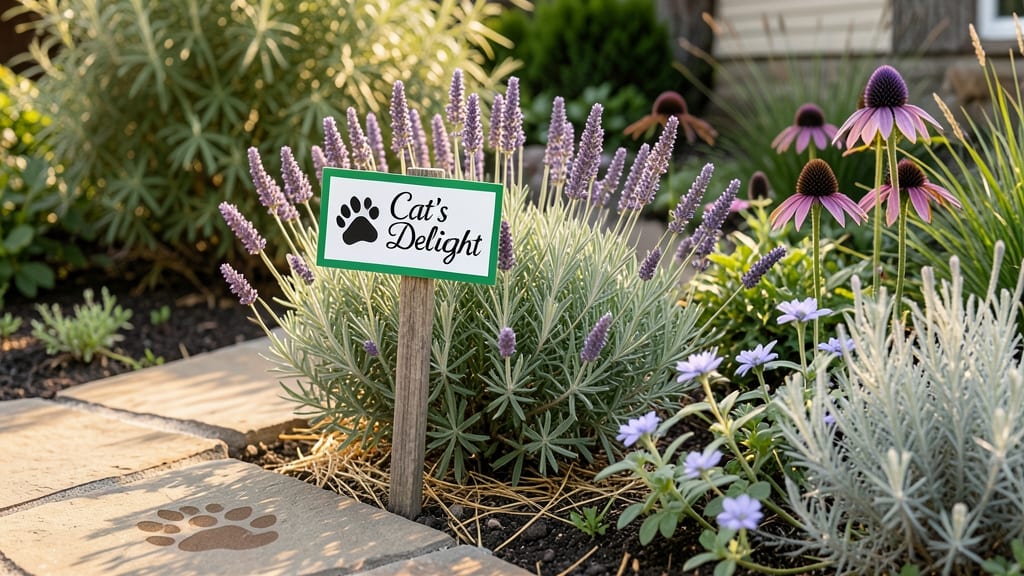
💥 Quick Answer Dog-safe perennials for full sun thrive in bright light while keeping pets secure, including lavender, catmint, and coneflower, which offer vibrant blooms and zero toxicity risks for curious pups. When…