I’ve always had a green thumb—literally. My childhood was spent sneaking extra seeds from my mom’s garden to plant in the dirt behind the garage, even when she told me not to. Now, I run this site because I believe gardening should be as much about joy as it is about growth. Whether you’re a seasoned pro or just starting with a windowsill herb, I’m here to share the tricks, quirks, and quiet victories of nurturing plants—and maybe a few lessons from my own overwatered fiascos along the way.
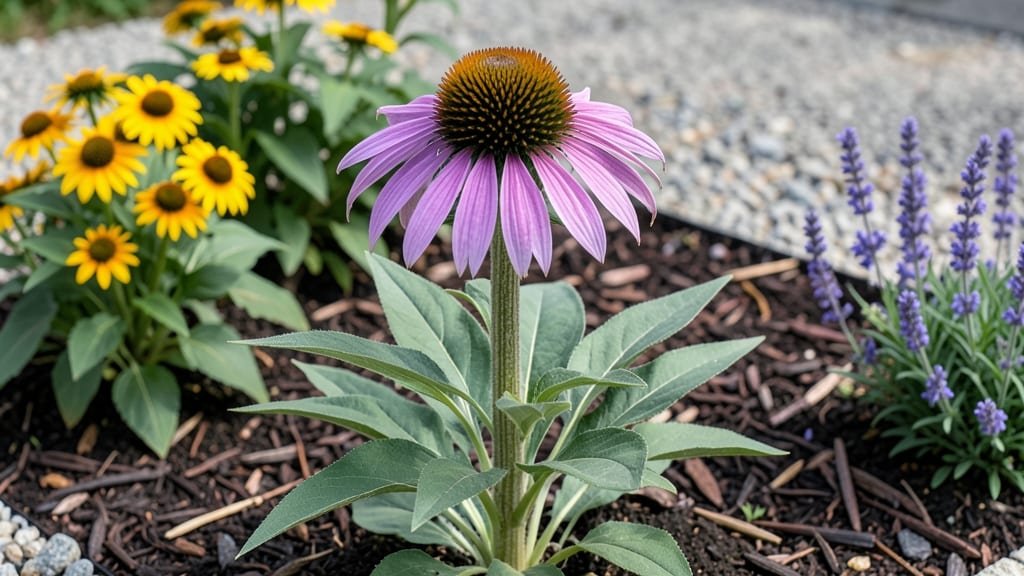
💥 Quick Answer Yes, echinacea is a perennial plant that thrives in cold climates, returning each year with proper care. Its deep roots allow it to survive winter dormancy, blooming again in spring with minimal…
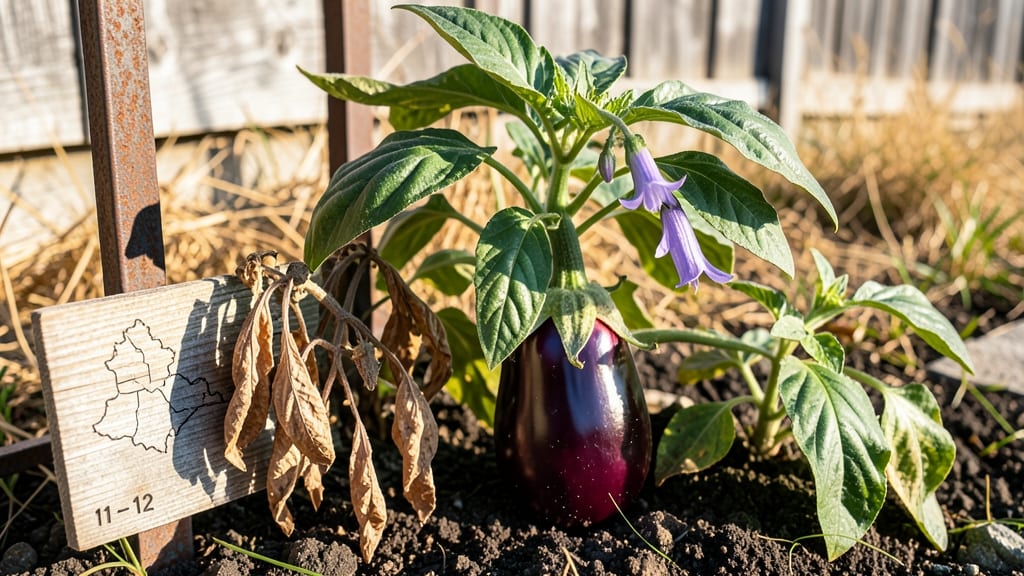
💥 Quick Answer Eggplant behaves like a perennial in warm climates, where its roots survive winter dormancy to regrow when temperatures rise. However, gardeners usually treat it as an annual because cold snaps or frost…
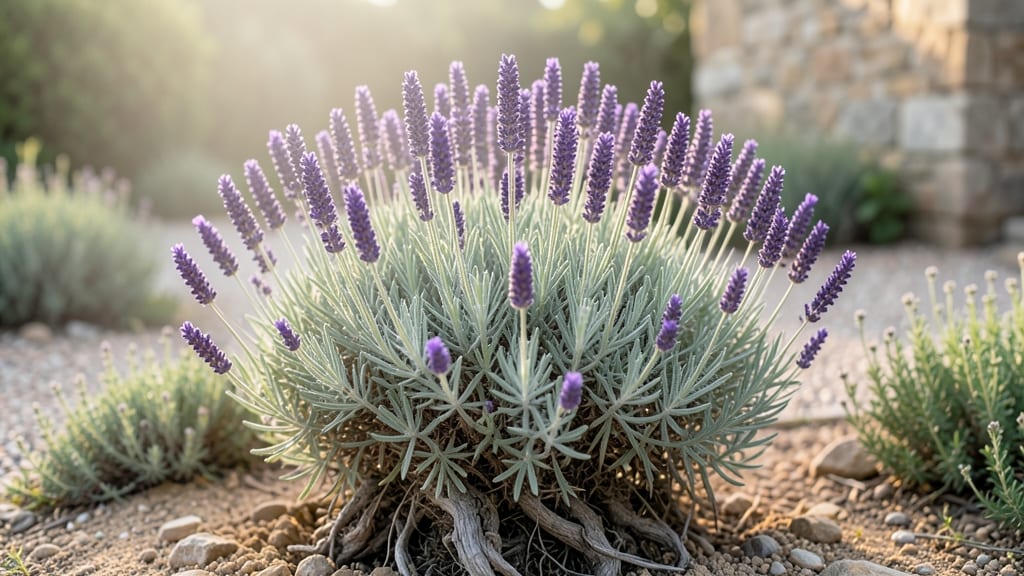
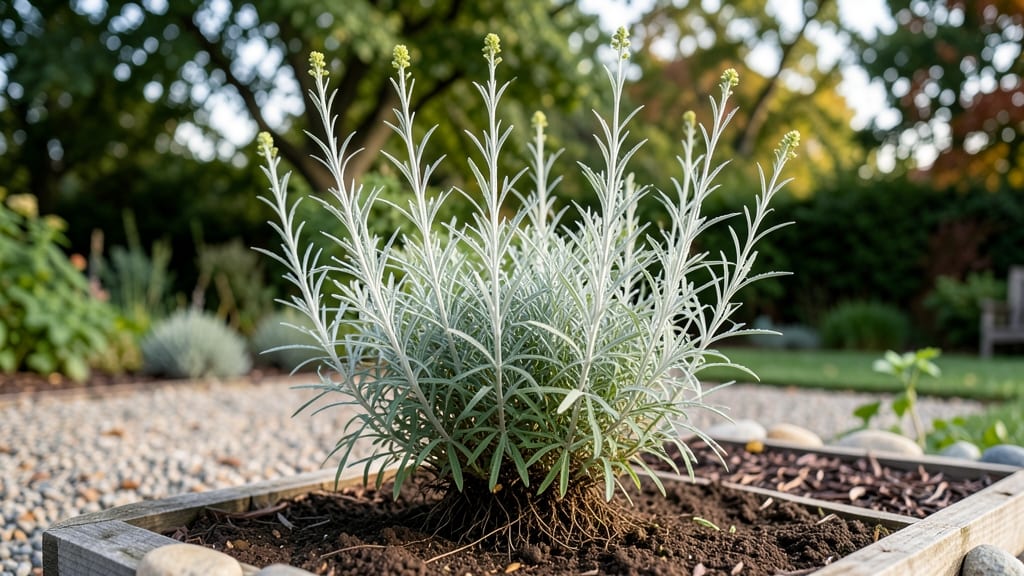
💥 Quick Answer English lavender is a perennial that thrives as a hardy, drought-resistant plant, though it may exhibit winter dieback in colder climates. With proper care, it regrows each spring from its woody base…
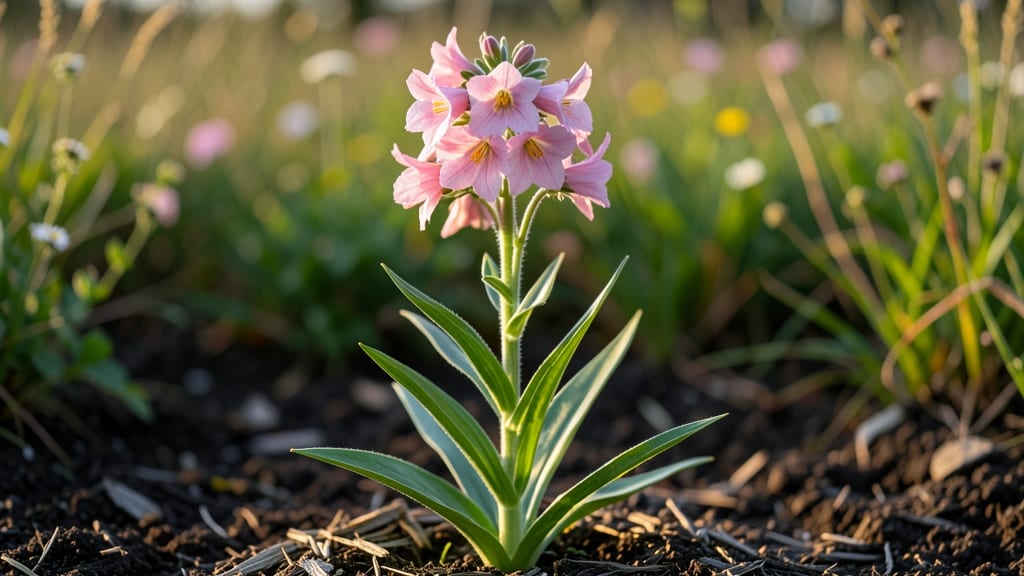
💥 Quick Answer Eustoma is not a true perennial in cold climates, as it dies back to the ground with frost and must be replanted each season. In warmer regions, it behaves as a tender perennial or self-seeds annually for…
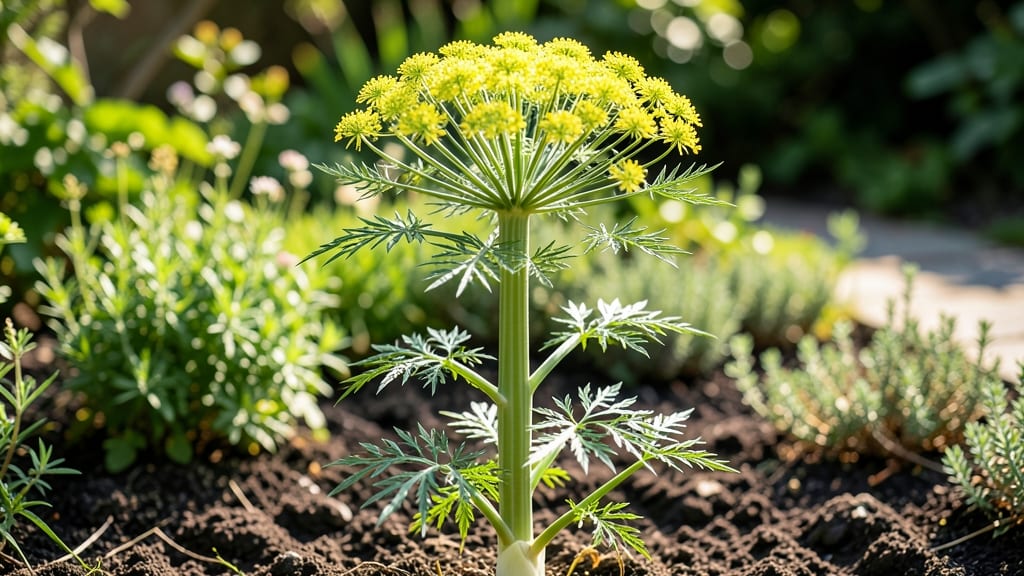
💥 Quick Answer Fennel acts like a perennial because it self-seeds prolifically and often returns each year, but it's botanically classified as a biennial that dies back annually. While its hardy taproot may survive…
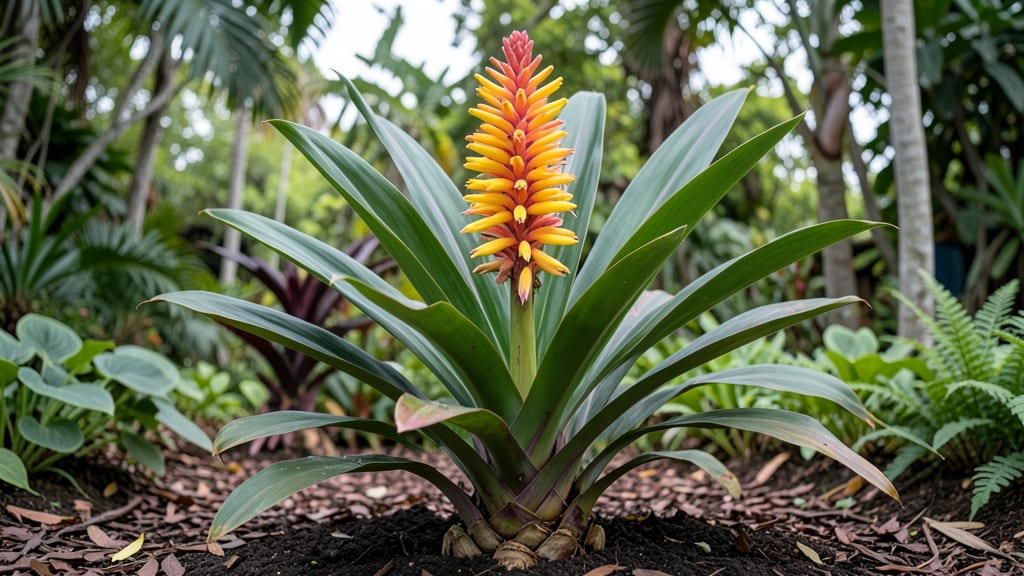
💥 Quick Answer Yes, flowering ginger is a perennial that dies back each winter but survives through its underground rhizomes, which store energy to regrow in spring—ideal for USDA zones 9-11 with proper winter…
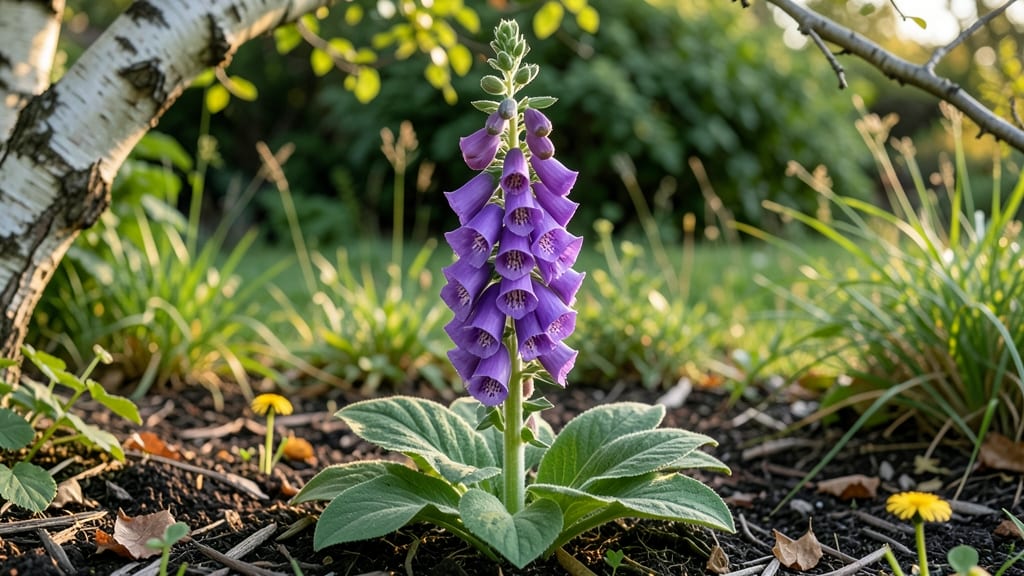
💥 Quick Answer Foxglove isn't classified as a true perennial in most regions, but it mimics a biennial or short-lived perennial cycle, flowering spectacularly before dying back—only to resprout from seeds or root crowns…
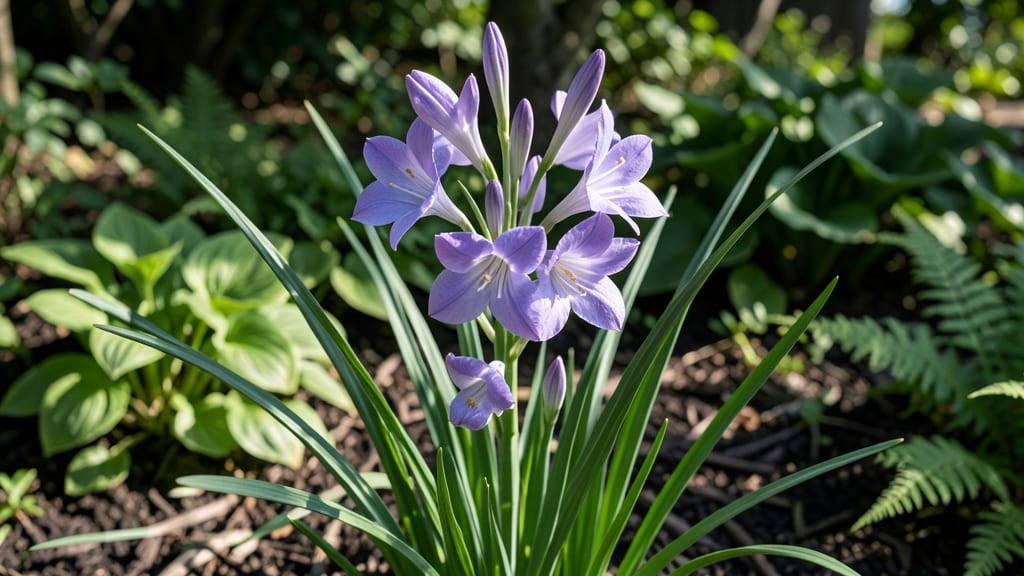
💥 Quick Answer Freesia is not a true perennial in most climates, as it dies back after flowering and cannot survive freezing temperatures. However, in frost-free zones (USDA 9-11), it may regrow from rhizomes under…
💥 Quick Answer French tarragon is a perennial herb in USDA hardiness zones 4-8, thriving in cool climates but often treated as a short-lived perennial or biennial due to its sensitivity to cold snaps and division…
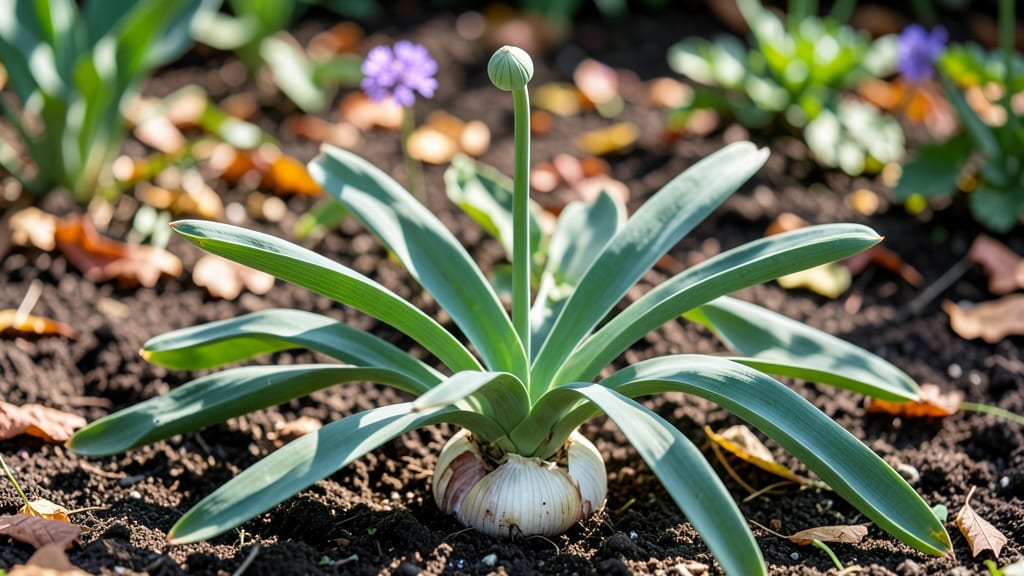
💥 Quick Answer Garlic is not a true perennial plant because it dies back annually, though it multiplies underground via bulbs. Unlike hardy perennials, it requires replanting every 1-2 years for optimal harvests and…