I’ve always had a green thumb—literally. My childhood was spent sneaking extra seeds from my mom’s garden to plant in the dirt behind the garage, even when she told me not to. Now, I run this site because I believe gardening should be as much about joy as it is about growth. Whether you’re a seasoned pro or just starting with a windowsill herb, I’m here to share the tricks, quirks, and quiet victories of nurturing plants—and maybe a few lessons from my own overwatered fiascos along the way.
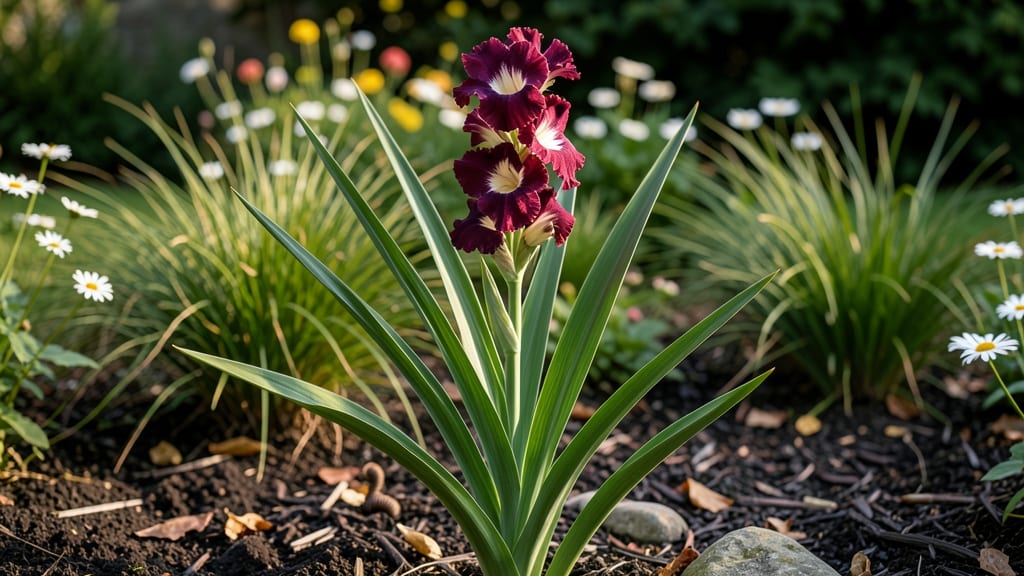
💥 Quick Answer Gladioli are perennial plants in frost-free zones but often treated as annuals in colder regions because their underground corms freeze and die in winter. Their lifespan classification depends entirely on…
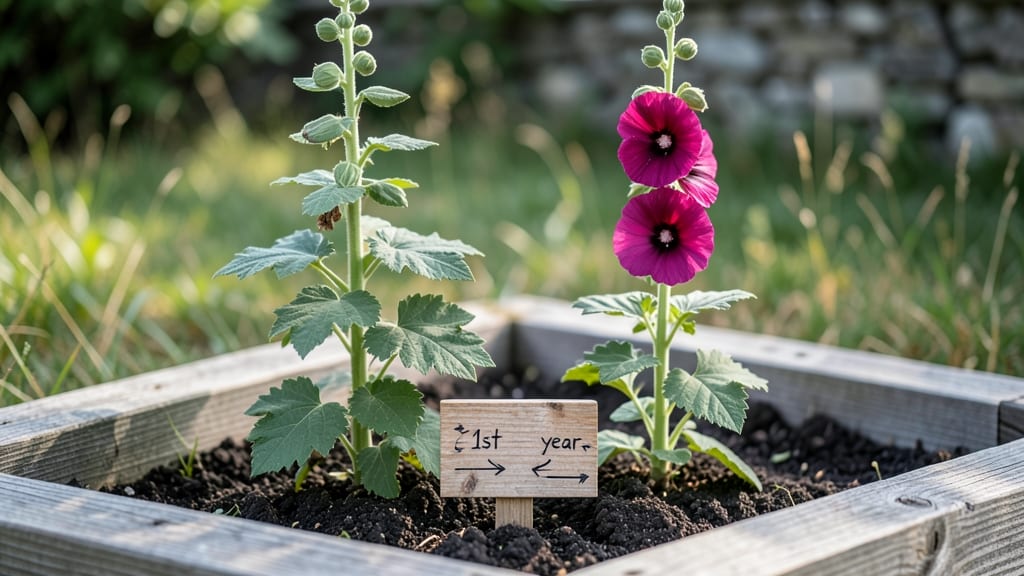
💥 Quick Answer Deciding between growing hollyhocks as annuals or perennials comes down to your climate zone and care approach. These plants thrive as perennials in zones 3–9 thanks to their deep, cold-resistant…
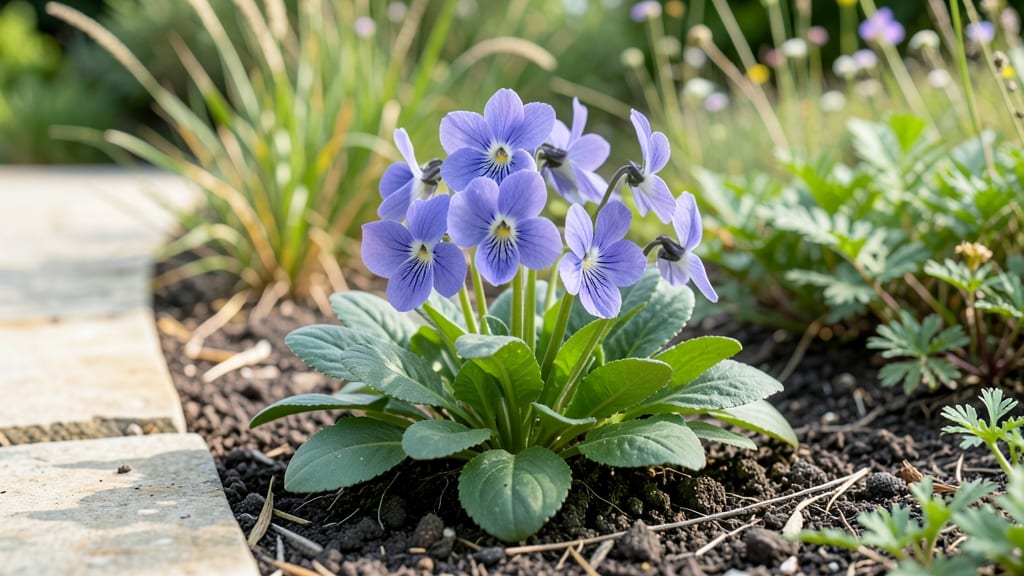
💥 Quick Answer Violets are perennials, which means they regrow each spring from their root systems after their foliage naturally dies back in late summer or fall. Hardy varieties survive winters in zones 3–9, while…
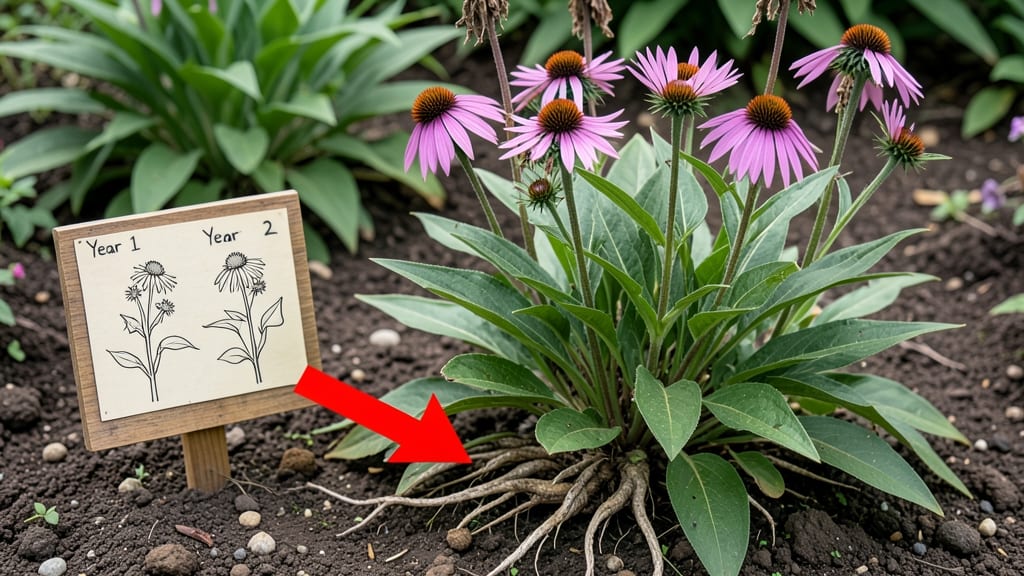
💥 Quick Answer Yes, perennials come back each year by storing energy in underground roots, rhizomes, or tubers, then regrowing from these structures as temperatures rise and conditions improve. Their dormant phase is…
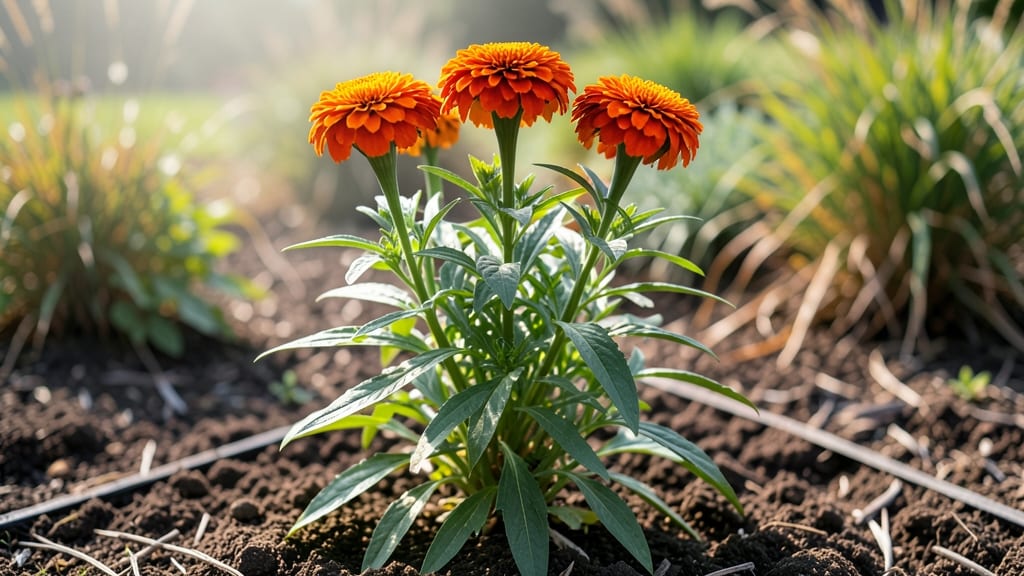
💥 Quick Answer African marigolds aren't true perennials in most regions—they freeze back each winter but can regrow from their hardy root systems if protected, acting as tender perennials only in zones 9-11. Gardeners…
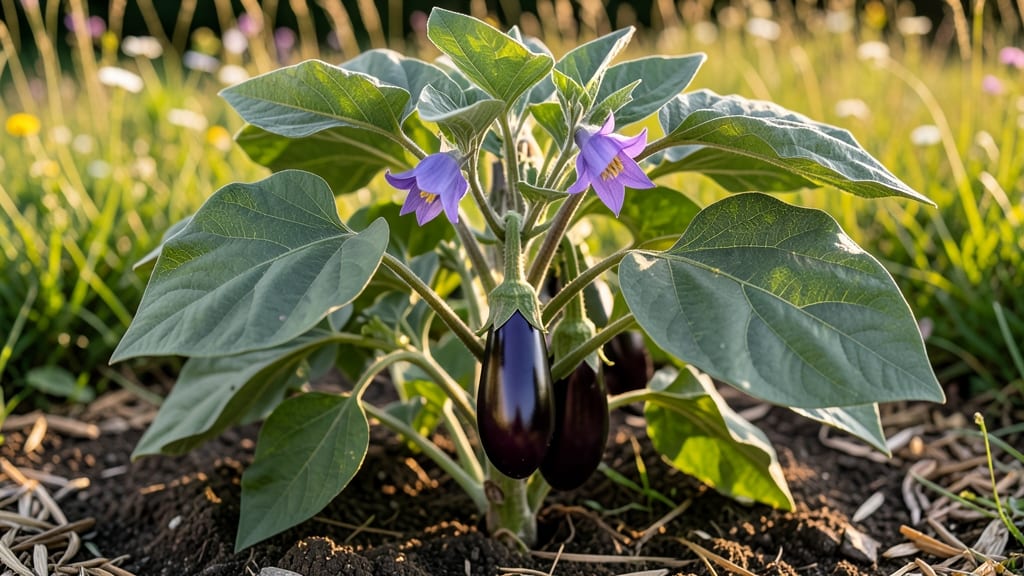
💥 Quick Answer Eggplant plants act as perennials only in frost-free zones, since freezing temperatures destroy their woody stems and foliage. In colder regions, gardeners must replant each spring because the plants…
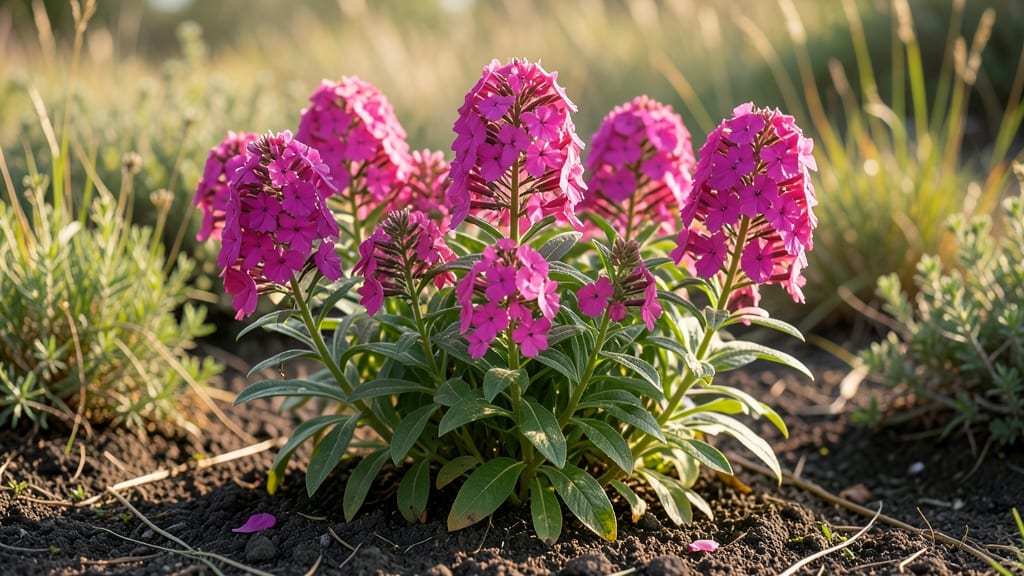
💥 Quick Answer As a phlox plant perennial, it may appear dead in winter but survives underground, storing energy in its roots to fuel vibrant spring regrowth and continuous blooming cycles. This winter dieback isn't a…
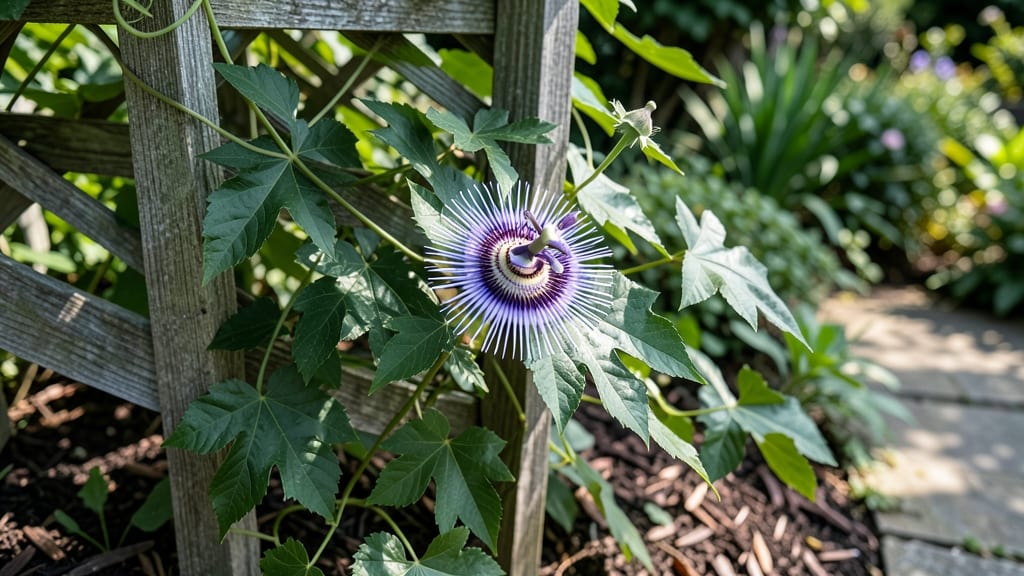
💥 Quick Answer Yes, passionflower is a perennial vine that returns every year from its hardy roots, even though it loses its above-ground growth in winter. This dieback-and-regrowth cycle is what defines passionflower…
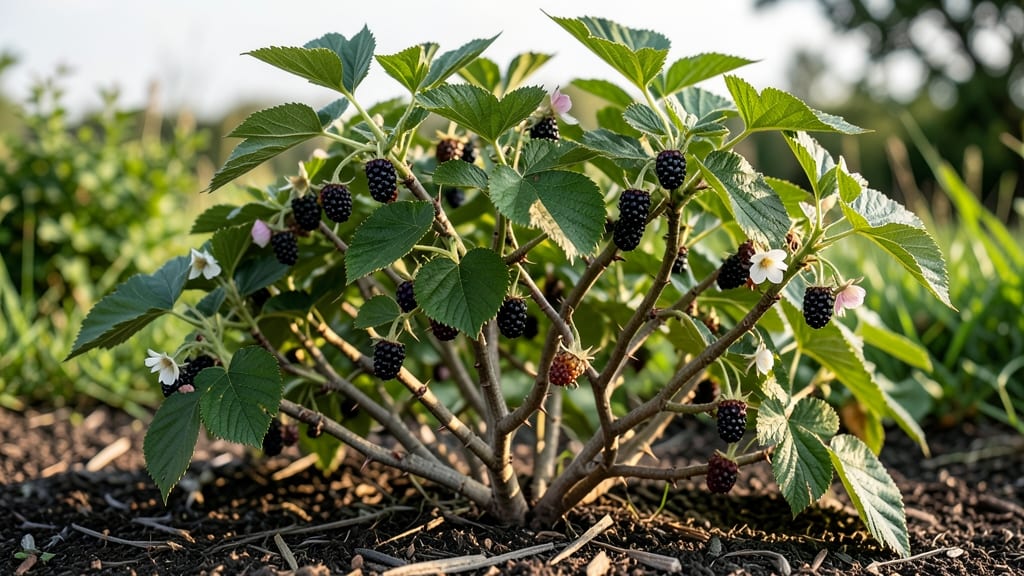
💥 Quick Answer Yes, blackberries are perennials that die back to the ground each winter but regrow from their roots yearly, unlike annuals that complete their life cycle in one season. Their canes produce fruit before…
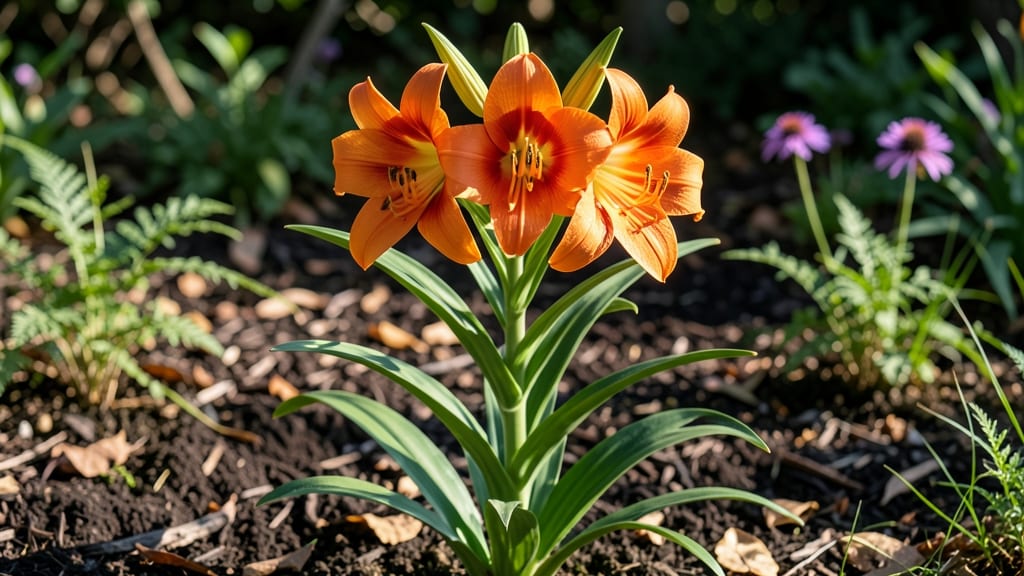
💥 Quick Answer Asiatic lilies are perennials, not annuals, meaning they return year after year from underground bulbs that store energy for regrowth. Their natural die-back in winter is a survival adaptation, not a sign…