I’ve always had a green thumb—literally. My childhood was spent sneaking extra seeds from my mom’s garden to plant in the dirt behind the garage, even when she told me not to. Now, I run this site because I believe gardening should be as much about joy as it is about growth. Whether you’re a seasoned pro or just starting with a windowsill herb, I’m here to share the tricks, quirks, and quiet victories of nurturing plants—and maybe a few lessons from my own overwatered fiascos along the way.
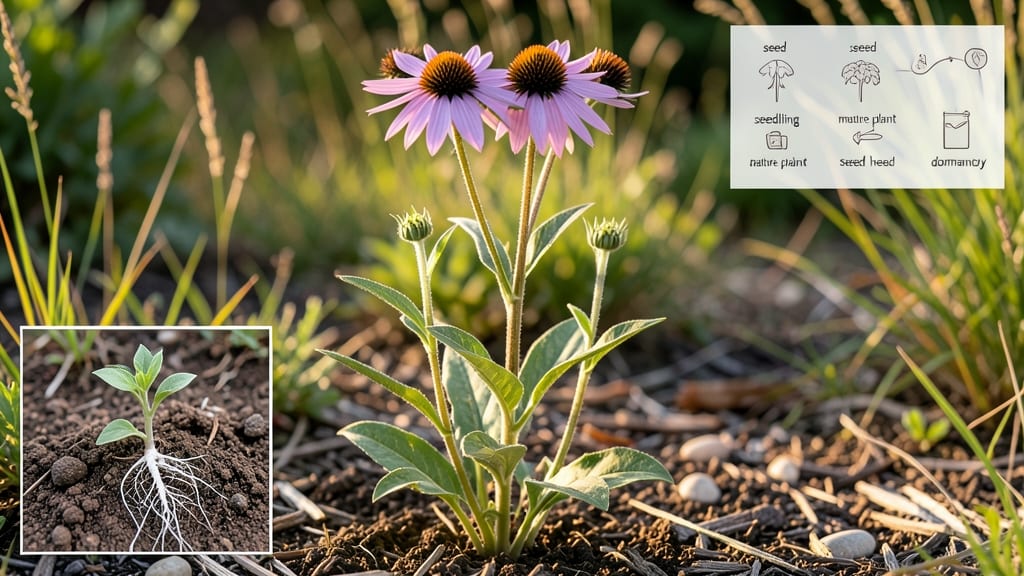
💥 Quick Answer The perennial life cycle reveals how plants strategically retreat above ground each winter while their roots and underground stems store energy for spring revival. This survival strategy leverages cold…
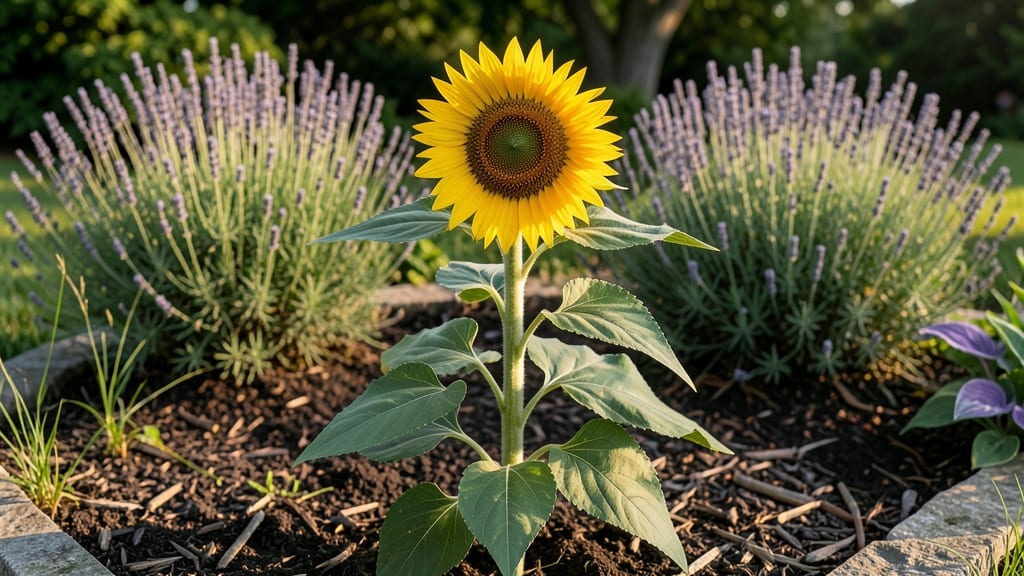
💥 Quick Answer The opposite of a perennial plant includes annuals, which complete their lifecycle in one growing season, and biennials, which take two years to flower, seed, and die, unlike perennials that regrow yearly…
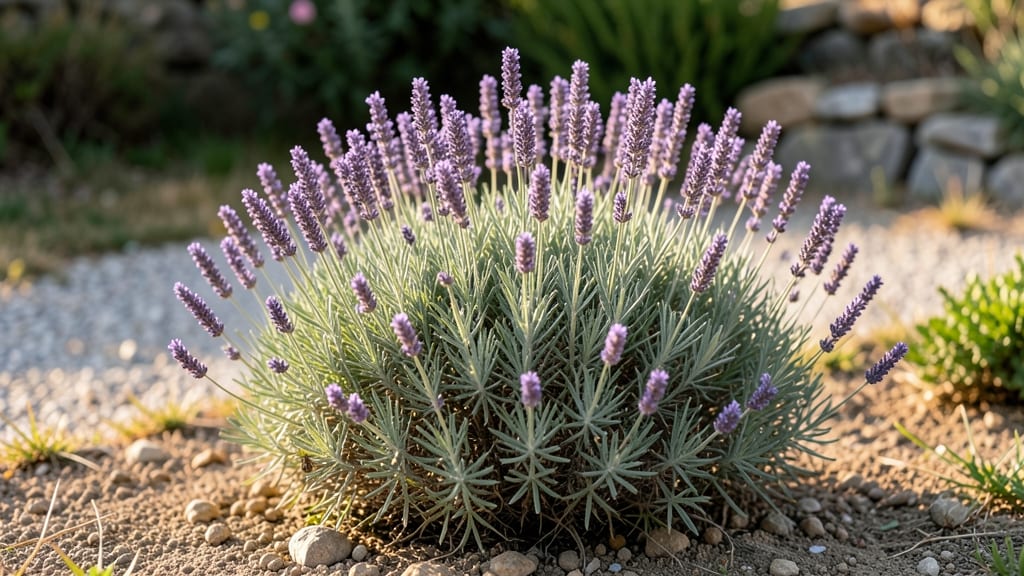
💥 Quick Answer Lavender is a perennial that thrives by dying back in winter but regrows stronger each spring, thanks to its deep root system and tolerance for dry, sunny conditions with minimal care. This hardy plant's…
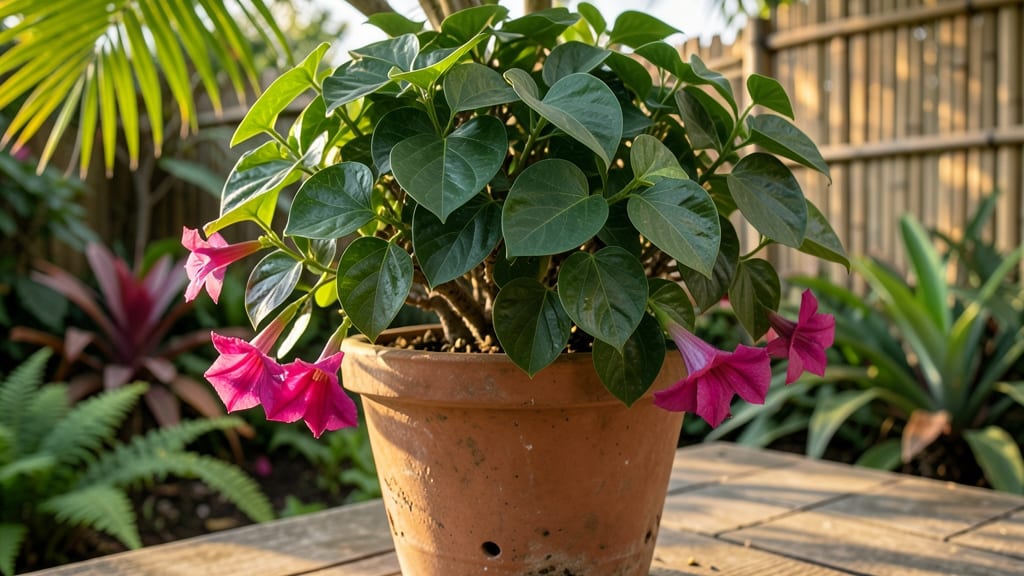
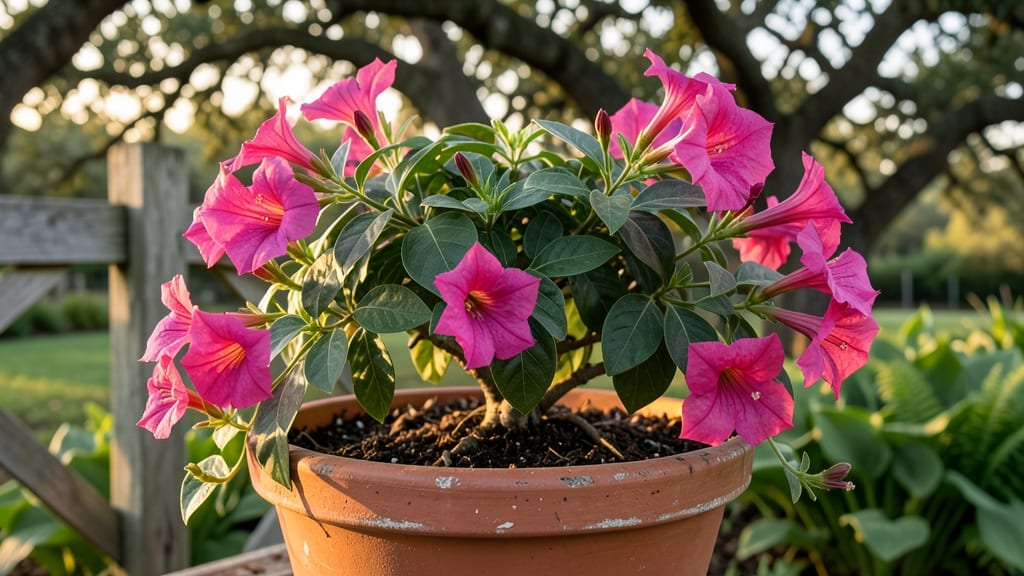
💥 Quick Answer Dipladenia plants act like perennials only in frost-free zones (USDA 10-11), since they die back completely in cold weather but regrow from their tuberous roots each spring when temperatures warm. The key…
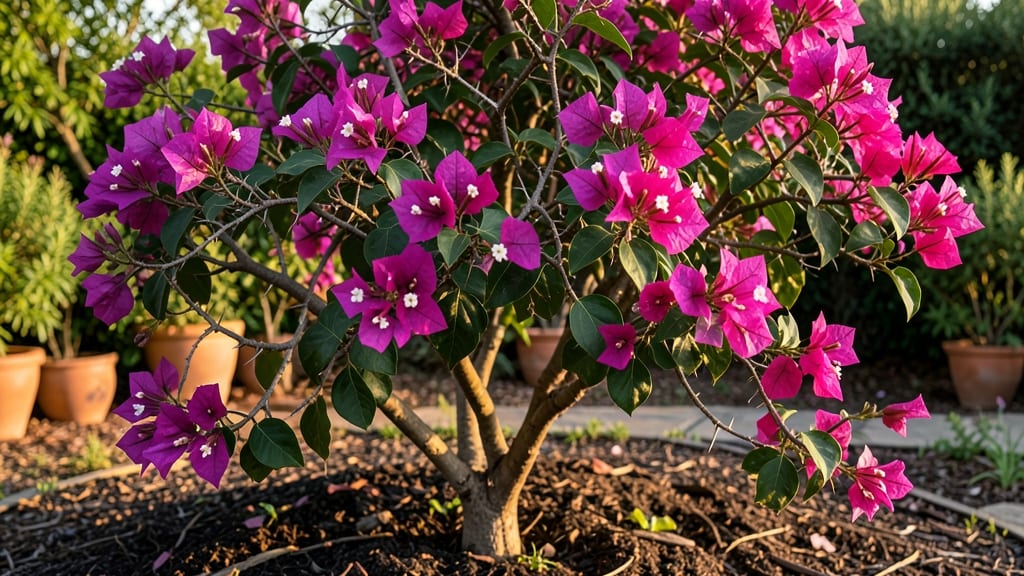
💥 Quick Answer Bougainvillea plants are not perennial in cold climates—they die back to the ground when temperatures drop below 30°F (-1°C) , but their roots remain alive and can regrow each spring with proper…
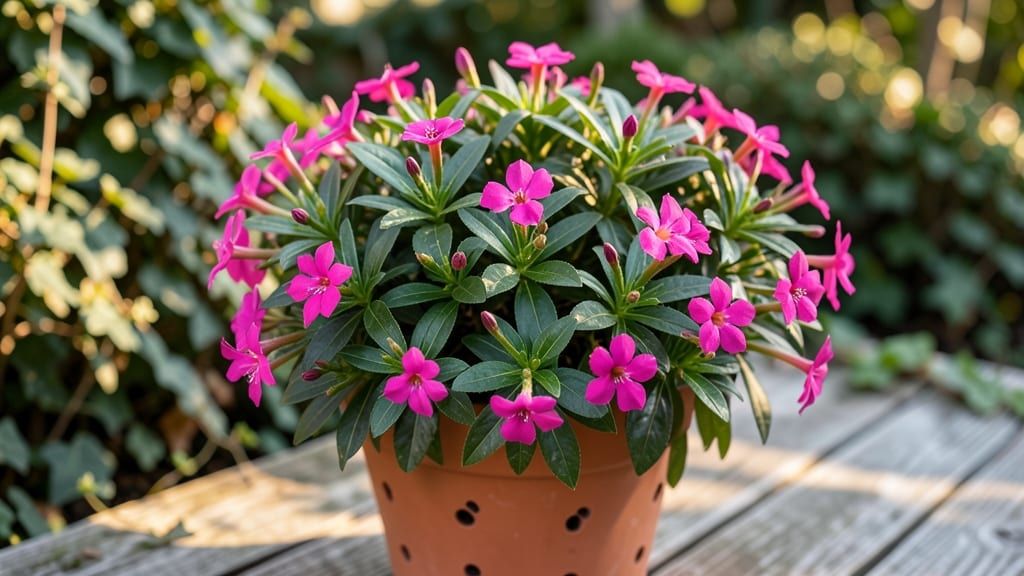
💥 Quick Answer Whether your penta plant ( Pentas lanceolata ) acts as an annual or perennial depends entirely on your climate—it dies back to the ground in cold winters but regrows from its hardy root system in…
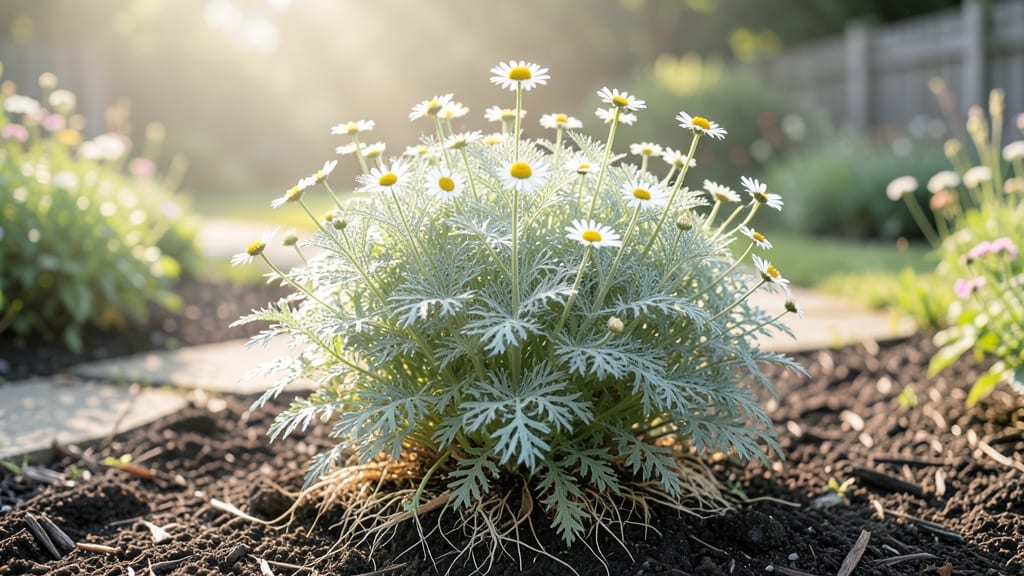
💥 Quick Answer German chamomile isn't a true perennial—it acts like an annual or biennial, dying after flowering. While it thrives in hardiness zones 3-9, it self-seeds aggressively, creating fresh growth yearly. This…
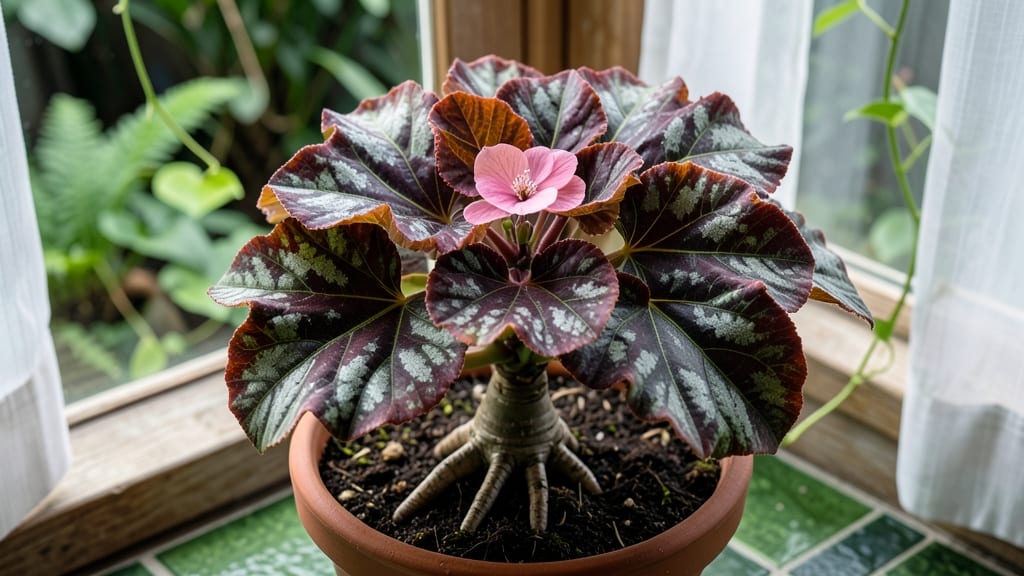
💥 Quick Answer Begonia plants are not perennial in cold climates—they die back when temperatures drop below 40°F, but many varieties regrow from tubers or rhizomes in warmer seasons. In tropical zones (USDA 10+), they…
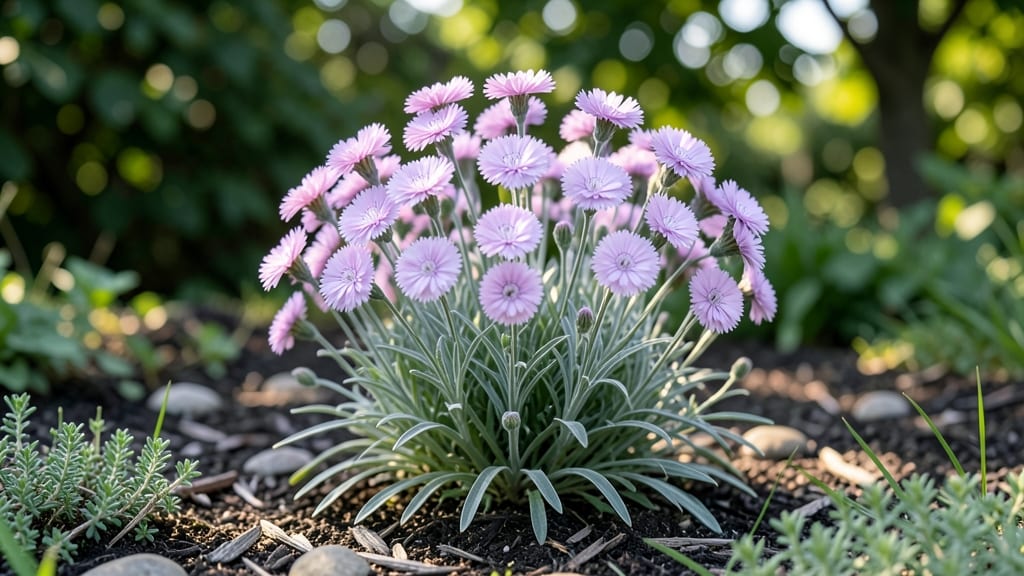
💥 Quick Answer Dianthus is a perennial plant in many varieties, thriving for multiple years in ideal conditions, though some types behave as short-lived perennials or even annuals depending on climate and care. Most…
💥 Quick Answer Deciding whether a dipladenia plant is annual or perennial depends on your climate: in frost-free zones, it acts as a tender perennial , shedding leaves in winter but regrowing from its hardy root system…